Startups
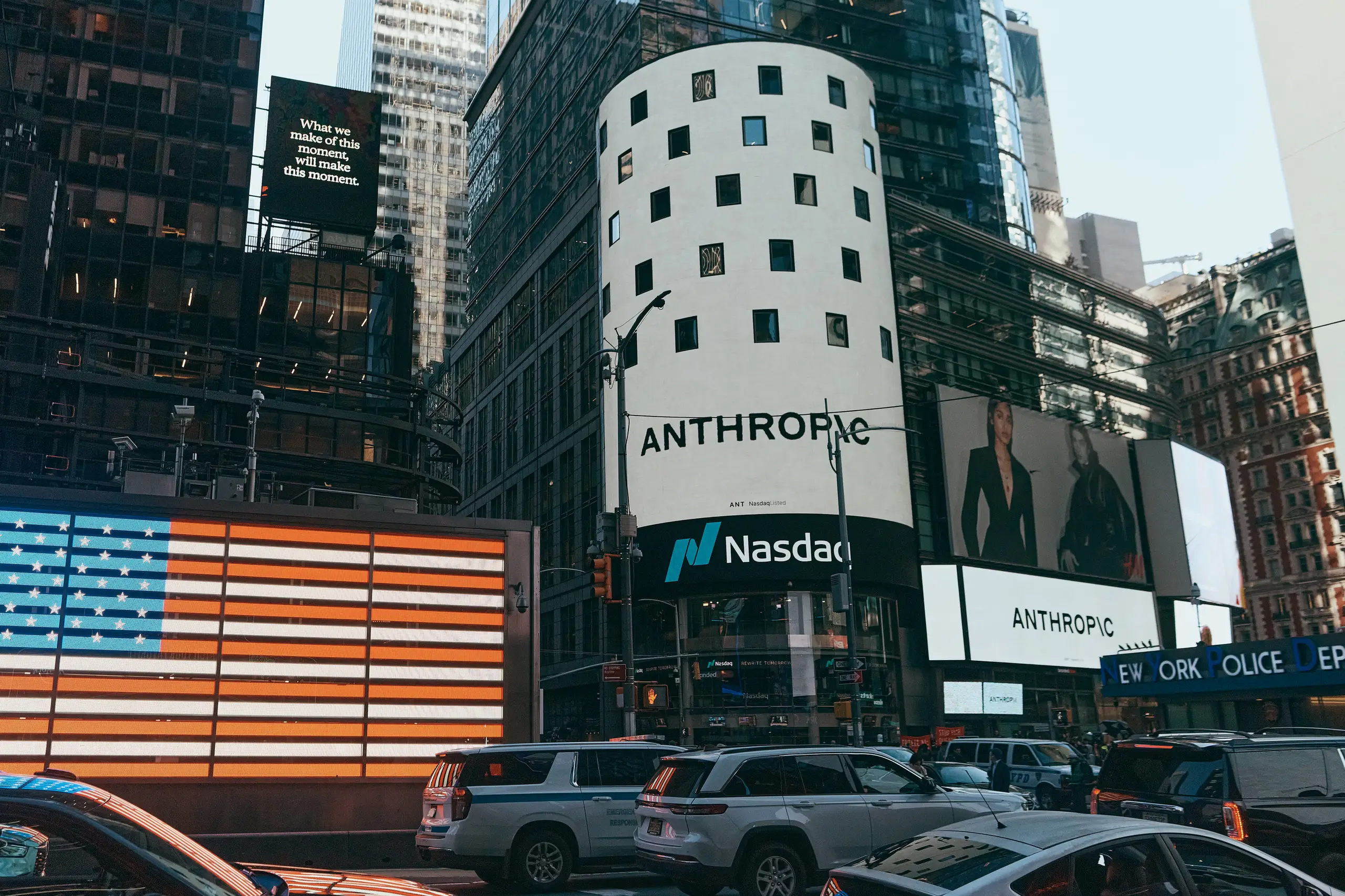
Anthropic IPO raises $81B but fails to stop AI stock sell-off
Record-breaking public offering for Claude developer comes amid broader market concerns over AI sector volatility and regulatory pressure.
Key takeaways
- Anthropic raised $81 billion in the largest IPO in history, with demand exceeding supply by six times.
- Despite the successful offering, AI-linked stocks continued falling globally, with Wall Street indices dropping over 2%.
- Senior Democrats are warning of potential regulatory crackdowns on tech companies over AI model risks and market volatility.
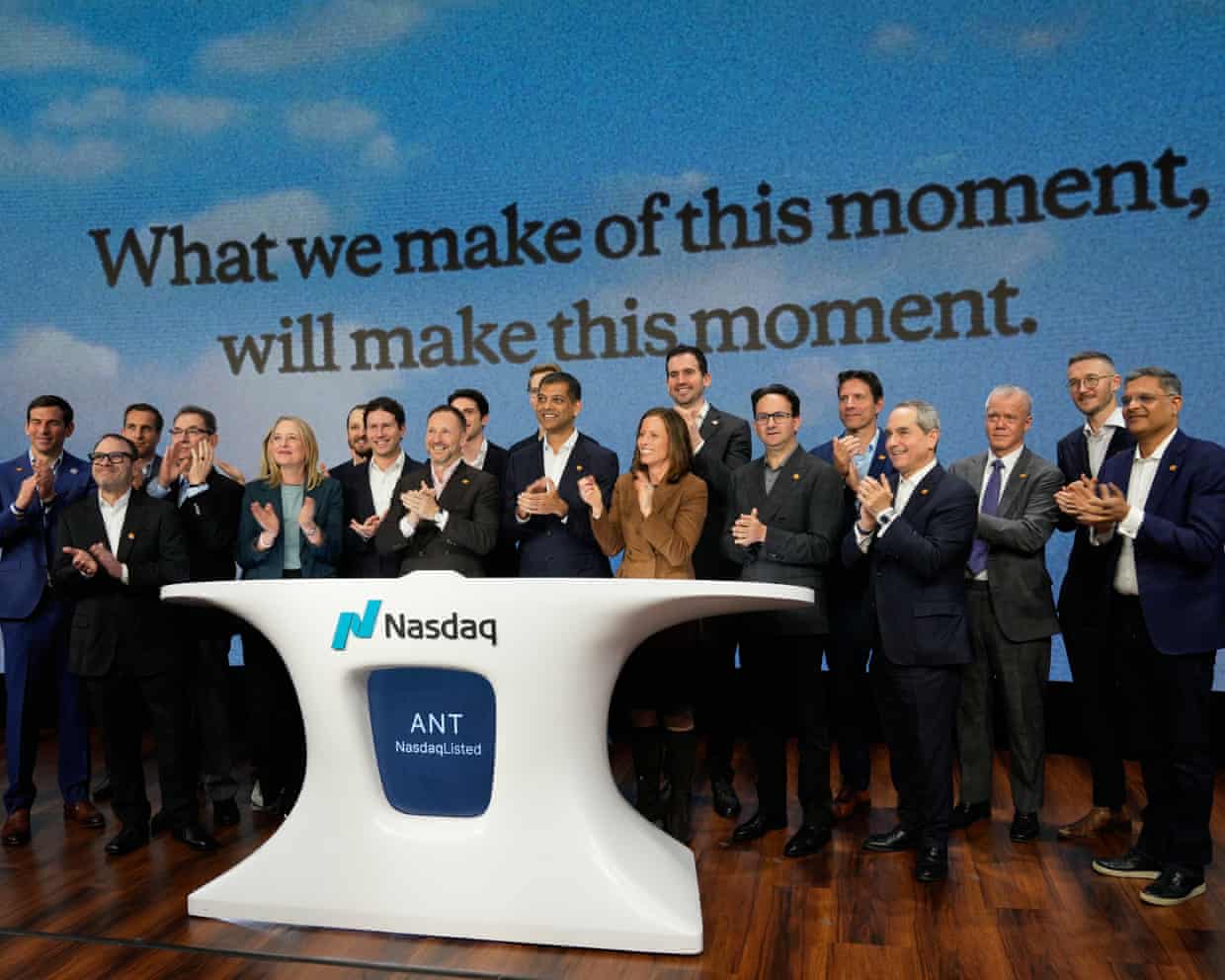
- The seven Anthropic co-founders are now collectively worth $180 billion following the public offering.
- The AI sector's deep integration with US economic growth is raising concerns about concentration risk and systemic stability.
Global stock markets experienced significant declines this week despite Anthropic's record-breaking initial public offering, signaling persistent concerns about the artificial intelligence sector's volatility and long-term sustainability.
The company behind the Claude AI assistant sold 980 million shares, raising $81 billion and surpassing all previous IPO records, according to The Guardian. Demand for shares exceeded supply by approximately six times, demonstrating continued investor appetite for AI companies even amid broader market turbulence.
Market reaction reveals deeper concerns
The blockbuster debut failed to halt a sell-off across AI-linked companies. Wall Street's main indices fell more than 2% on the day of Anthropic's IPO, with losses spreading to global markets. The disconnect between Anthropic's successful offering and the broader market decline suggests investors are differentiating between individual company prospects and systemic sector risks.
The AI sector has become inextricably linked to US economic growth, driven largely by massive investments in datacenter infrastructure that powers large language models like Claude and ChatGPT. This concentration of economic activity in a single technology category has raised concerns among policymakers about market stability.
Regulatory pressure building
Senior Democrats have already signaled potential regulatory action targeting tech companies over two distinct issues: the risks posed by advanced AI models themselves, and the economic volatility that AI IPOs could introduce into financial markets. The timing of these warnings, coinciding with Anthropic's market debut, underscores the political attention now focused on the sector.
The seven co-founders of Anthropic are now collectively worth $180 billion, according to profiles by Dan Milmo and Aisha Down. The founding team includes physicists, a former journalist, and an associate of the pope, reflecting the diverse backgrounds converging on AI development.
Why it matters
The divergence between Anthropic's successful IPO and the broader AI stock decline reveals a maturing market that's beginning to price in regulatory risk and question the sustainability of AI sector valuations. For enterprise leaders, this signals a potential shift from the "AI gold rush" mentality toward more selective investment and heightened scrutiny of AI vendors' business fundamentals. The regulatory threats from senior lawmakers suggest companies should prepare for compliance costs and operational constraints that could reshape the competitive landscape.
The market dynamics also highlight the concentration risk in the US economy's dependence on AI infrastructure spending. As datacenter investments drive growth, any slowdown in that capital deployment could have outsized economic consequences.
These details were first reported by The Guardian.