Ambi Robotics and Pickle Robot integrate dock-to-pallet system
Commercial deployment connects trailer unloading with AI-powered pallet building to reduce manual handoffs in warehouse receiving operations.
Warehouse automation tackles the handoff problem
Two warehouse robotics companies have deployed a commercial integration designed to eliminate a persistent bottleneck in inbound logistics: the gap between unloading freight and preparing it for warehouse storage.
Ambi Robotics and Pickle Robot Company announced they have connected Pickle's trailer-unloading robots with Ambi's AmbiStack pallet-building system. The integration allows packages to flow from truck to organized pallet with minimal human intervention at the loading dock, according to details first reported by Fox News.
The system addresses what the companies describe as a handoff problem. In most warehouses, robotic systems operate in isolated lanes—one machine unloads, another sorts, another stacks—but human workers or custom engineering must bridge the gaps. This integration aims to automate that connection using what the industry calls Physical AI: artificial intelligence that controls machines performing physical tasks in unpredictable environments.
How the integrated system works
Pickle Robot's system handles the initial unloading of mixed freight from trailers and containers. Packages then move via conveyor to AmbiStack, which scans incoming cases, reads package information, and builds stable pallets for warehouse receiving.
The companies emphasize that the system is designed to fit existing warehouse infrastructure, potentially allowing operators to deploy automation without facility redesigns. Jim Liefer, CEO of Ambi Robotics, stated that warehouse operators should not have to choose between best-in-class technologies and seamless integration, noting that interoperability will become increasingly important as Physical AI transforms supply chains.
AJ Meyer, founder and CEO of Pickle Robot Company, framed the integration in operational terms: customers want automation that improves real-world throughput while fitting into existing operations.
Why it matters
Loading docks represent one of the most labor-intensive and injury-prone segments of warehouse operations. Freight arrives unevenly packed, boxes come in irregular sizes, and tight schedules create constant pressure. If robotic systems can reliably handle the physically demanding work of moving packages from trailer to organized storage, warehouses gain capacity without adding headcount—a significant advantage given ongoing labor shortages and rising e-commerce volumes. The integration also signals a shift toward modular automation, where specialized systems from different vendors can work together rather than requiring single-vendor solutions that may lock operators into costly proprietary ecosystems.
Implications for warehouse workers
The deployment raises familiar questions about workforce impact. The companies suggest automation will reduce physically demanding and repetitive tasks, potentially lowering injury rates and addressing staffing challenges. Workers may transition to monitoring roles, handling exceptions when packages jam or labels fail to scan, and managing situations requiring human judgment.
However, the shift requires attention to training and transition planning. As more robotic systems enter warehouses, the nature of available work changes, and companies that manage that transition transparently will likely face fewer operational disruptions.
Commercial deployment timeline
The companies describe the integration as commercially available, indicating it has moved beyond pilot testing. They did not disclose which warehouse operators have deployed the system or provide throughput metrics from live installations.
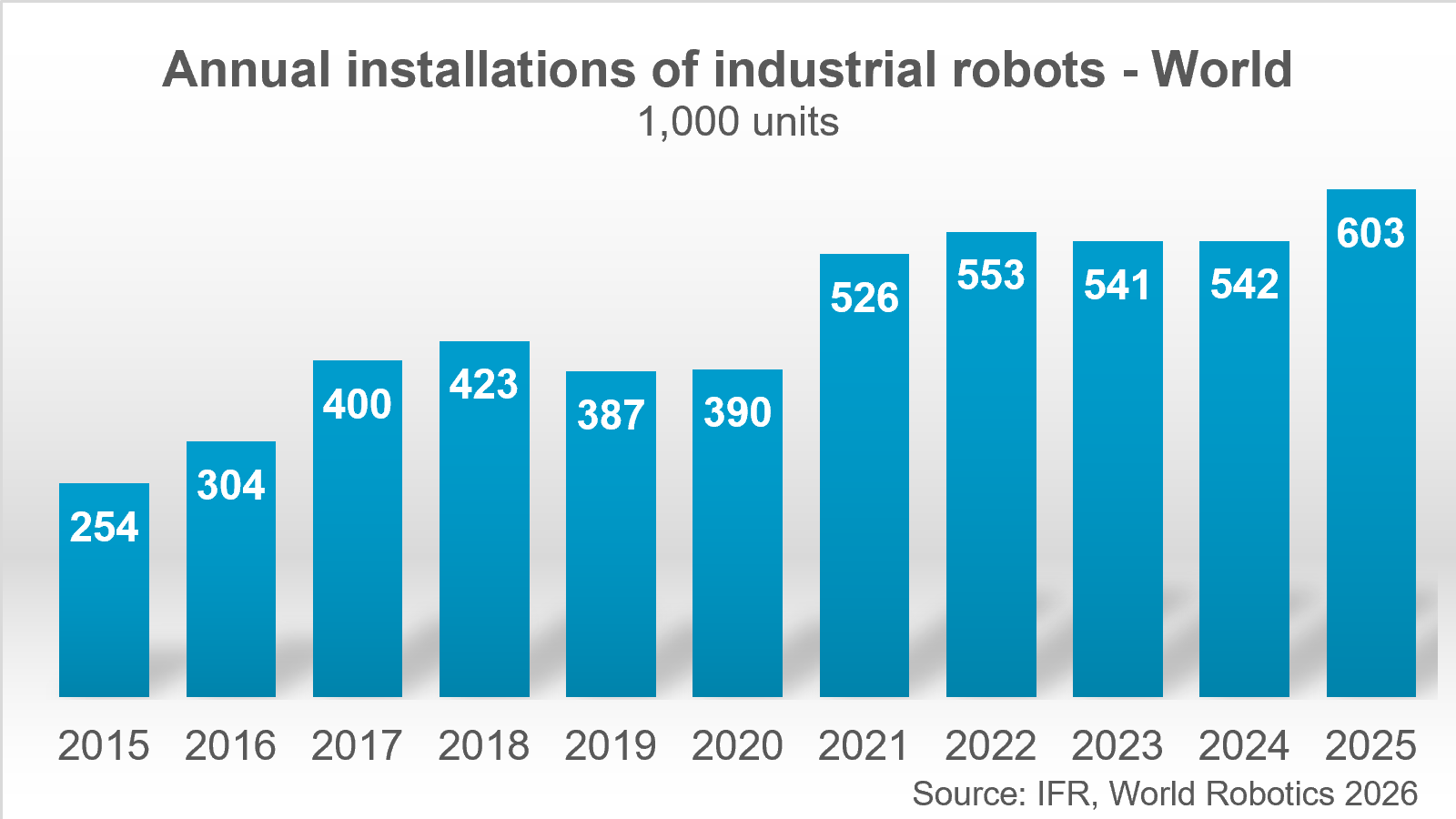
The announcement reflects broader momentum in warehouse automation, where retailers and logistics providers face simultaneous pressure from faster shipping expectations, constrained labor markets, and growing package volumes. Modular systems that connect specialized robots across different workflow stages offer an alternative to monolithic automation platforms that can require extensive facility modifications.
Details of the integration were first reported by Kurt Knutsson for Fox News.
This is an original analysis by the Omega editorial team. Source reporting: Automation Watch.
Want systems like this working for your business?
Book a Call