Amazon HR Chief Wrote 100,000 Lines of Code Using AI After 25-Year Gap
Beth Galetti returned to software development with generative AI tools, then launched a company-wide competition that drew 1,500 employee builders.
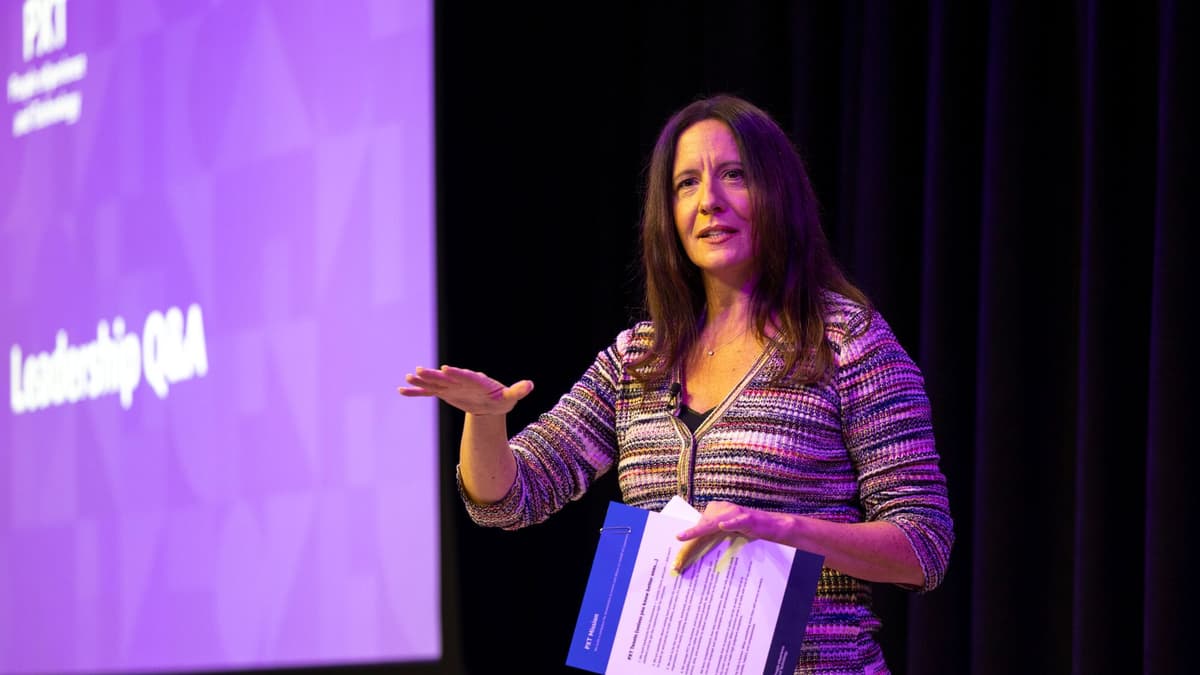
Amazon's senior vice president of People Experience and Technology, Beth Galetti, has written more than 100,000 lines of code in recent months using AI-powered development tools—a quarter-century after she last worked as a software developer.
Galetti began her career building package tracking systems in the transportation industry before moving into senior leadership roles. After joining Amazon's HR organization in 2013, she spent years leading teams that built software without writing code herself. That changed when she decided to experiment with the company's generative AI development tools.
From family app to internal competition
Galetti started with a personal project: a family calendaring application. Within hours of beginning, she had a working prototype. The experience gave her enough confidence to build a submission application for an internal Amazon competition called "Everyone Can Build" during a flight to Seattle using Kiro, the company's AI-powered development tool.
The competition invited all Amazon employees to build applications or tools solving real problems, regardless of technical background. More than 1,500 employees participated within weeks. One employee created an application that automated a four-hour manual process into a one-second check, saving tens of thousands of hours annually. Another built a desktop assistant called Momo for managing tasks and shortcuts.
AI tools deployed across the workforce
Amazon has made three primary AI tools available to all employees. Amazon Quick serves as an AI assistant for research, data analysis, and workflow automation. Kiro enables employees to describe desired applications in plain language and helps plan, write, and test code. Aza provides instant answers about benefits, workplace policies, and IT support. The company has also made Quick and Kiro available outside Amazon.
According to details first reported by Amazon, the shift allows non-technical employees to solve problems independently while freeing technical teams to focus on larger initiatives.
Why it matters
The deployment of generative AI coding tools to an entire workforce represents a significant test case for how these technologies might reshape organizational capabilities. When employees without recent coding experience can build functional applications in hours, it fundamentally changes the economics of software development and the speed at which organizations can respond to operational needs. The volume of participation—1,500 builders in weeks—suggests demand for development capabilities extends far beyond traditional engineering roles.
Broader workforce investment
Amazon announced Future Ready 2030, a commitment to invest $2.5 billion in education and skills training to prepare at least 50 million people for evolving job requirements. The initiative includes programs spanning K-12 education through Amazon Future Engineer, cloud computing training via AWS Educate, and apprenticeships in mechatronics and robotics where graduates can earn up to 58 percent more than typical entry-level wages.
The company is investing $1 billion specifically in Career Choice, its education benefit that prepays tuition for degrees and certifications, with a goal of upskilling 500,000 employees globally in areas including cybersecurity, software development, logistics, and renewable energy. Amazon covers the full cost of one AWS AI certification exam per year for every employee.
These details were first reported by Amazon in a workplace announcement by Galetti.
This is an original analysis by the Omega editorial team. Source reporting: AI Watch.
Want systems like this working for your business?
Book a Call