Amazon Engineers Challenge AI Data Center Expansion Amid Layoffs
Seattle employees urge regulation as tech giants pour $700 billion into infrastructure while cutting tens of thousands of jobs.
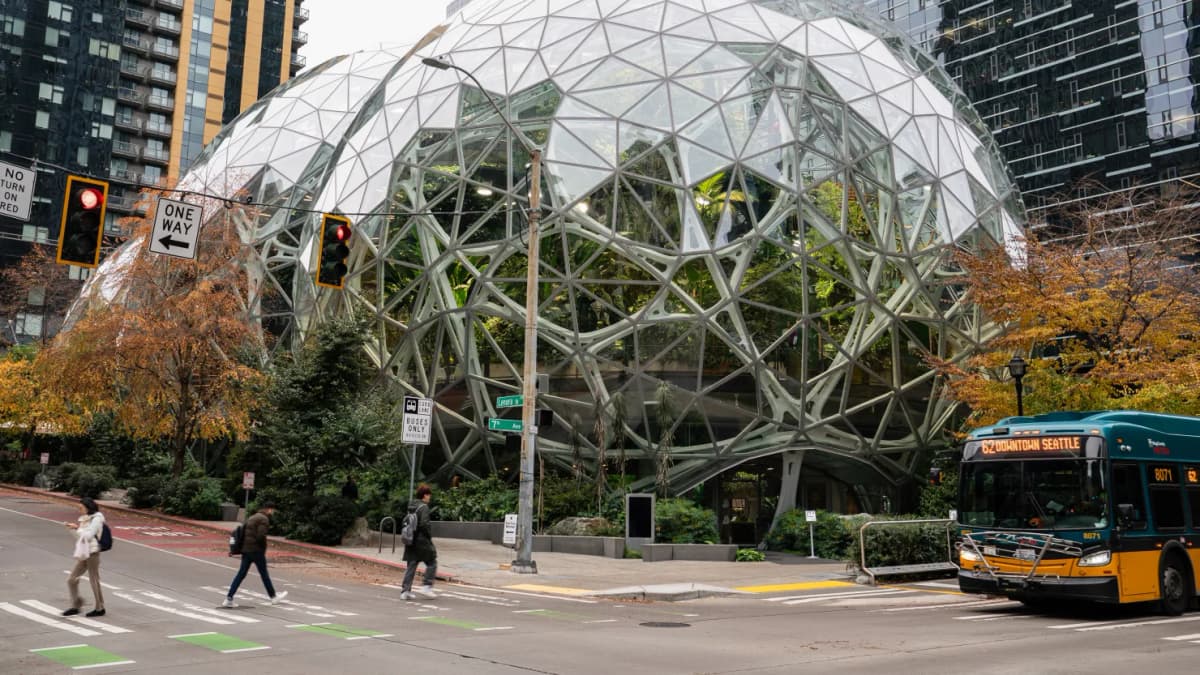
Amazon software engineers publicly challenged their employer's artificial intelligence strategy at Seattle City Council hearings this week, supporting regulatory efforts as the company simultaneously invests heavily in AI infrastructure and conducts mass layoffs.
Patrick Schloesser, a software engineer at Amazon Web Services, testified that Amazon plans to spend $200 billion this year on capital expenditures, primarily for data centers and AI development. Meanwhile, the company has eliminated 30,000 corporate positions since October. Microsoft's capital spending reaches $190 billion, he noted.
"What that tells me is that Big Tech is desperate to build as much compute capacity as it can, as fast as it can," Schloesser told council members, according to CNBC.
Seattle imposes development pause
The Seattle City Council's Land Use and Sustainability Committee unanimously approved a one-year moratorium on new large-scale AI data centers. The measure follows proposals from four developers who approached a local utility provider about constructing five major facilities in the city. Two developers have since withdrawn their plans following public opposition, the Seattle Times reported.
The moratorium gives Seattle time to develop regulations for these projects. The city joins 14 states considering legislation to pause or ban new data center construction, according to the National Conference of State Legislatures. Data Center Watch found that at least $156 billion in data center projects faced delays or cancellations in 2025 due to local opposition and legal challenges.
Tech spending versus workforce reductions
Amazon, Microsoft, Google parent Alphabet, and Meta have collectively committed approximately $700 billion in capital expenditures this year, predominantly for AI infrastructure. These investments coincide with widespread cost-cutting measures across the technology sector, including significant workforce reductions.
Amazon's 30,000 job cuts since October form part of CEO Andy Jassy's initiative to reduce organizational layers and bureaucracy. Jassy has described the goal as operating like the "world's largest startup." The company announced its $200 billion capital expenditure plan in February and reaffirmed the forecast in April.
Why it matters
The tension between massive AI infrastructure investments and simultaneous workforce reductions illustrates a fundamental shift in how technology companies allocate resources. As computing capacity becomes the primary competitive advantage in artificial intelligence, companies are prioritizing capital over labor—a strategic choice with significant implications for tech employment, urban development, and energy consumption. Local governments are increasingly asserting regulatory authority over data center expansion, potentially creating a patchwork of rules that could complicate national infrastructure planning.
Employee activism grows
Schloesser, who has worked at Amazon for nearly six years, urged officials to require data center developers to commit to renewable energy, eliminate non-disclosure agreements and shell companies in project announcements, provide quality construction jobs, and pay new taxes funding city employment when conducting large layoffs.
He testified alongside fellow Amazon engineers Liesl Wigand and Darius Irani, all members of Amazon Employees for Climate Justice. The group of current and former workers has consistently pressed the company on climate policy, workforce treatment, and related issues. In November, the group sent a letter to Amazon executives requesting a "more responsible rollout of AI" and calling on leadership to "get real about the costs of AI and the guardrails we need."
Wigand, an Amazon employee for more than 12 years, characterized the company's approach as an "all-costs-justified AI build out." She argued that the primary problem is "a belief that AI should be how we solve everything, while ignoring the resources that it costs."
These details were first reported by CNBC.
This is an original analysis by the Omega editorial team. Source reporting: AI Watch.
Want systems like this working for your business?
Book a Call