Air Traffic Control Automation Outpaces Safety Regulation
Incident rates are climbing as AI systems reshape controller work faster than oversight frameworks can adapt.
Controllers face new risks as automation reshapes their role
Air navigation service providers worldwide are deploying automated systems to manage growing flight volumes while cutting costs and emissions, following the International Civil Aviation Organisation's Global Air Navigation Plan. Yet South Africa reported a 69% jump in general aviation accidents and a 77% increase in incidents during 2021-2022, with controller hazard reports surging significantly in 2023-2024.
New doctoral research examining this paradox—where safety technology correlates with more incidents—reveals the problem lies not in the automation itself but in how controllers, systems, and regulations interact. The findings, based on surveys of air traffic controllers across seven countries including the United States, Canada, and the United Arab Emirates, expose critical gaps in training, certification, and oversight as the industry races toward AI-enabled operations.
Why it matters
As governments and enterprises deploy AI to solve complex operational challenges, aviation's experience offers a cautionary blueprint. The research demonstrates that introducing advanced automation is fundamentally a human and regulatory challenge, not merely a technical upgrade. When certification requirements don't exist and inspectors lack AI expertise, even well-designed systems can create new failure modes.
Automation changes work in unexpected ways
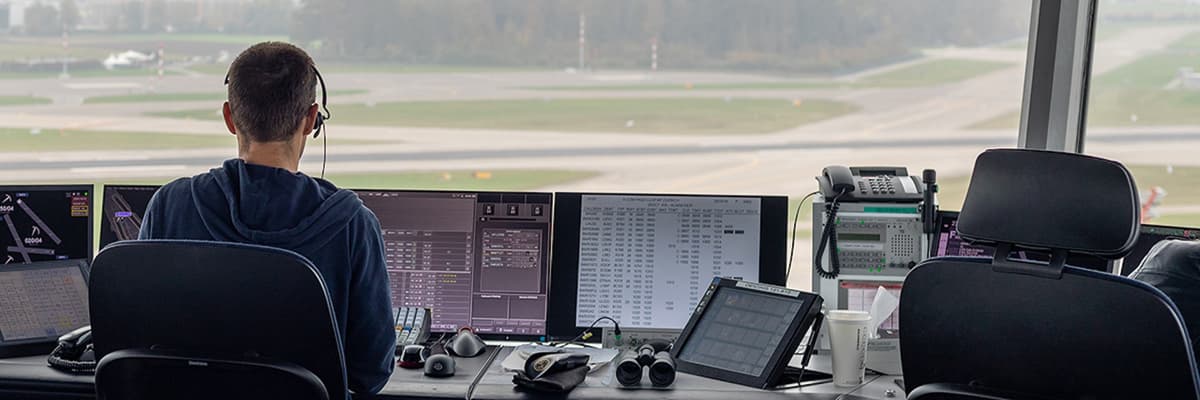
Automated air traffic management systems shift controllers from actively separating aircraft to monitoring displays and intervening during anomalies. This transition introduces predictable human factors risks. Controllers develop automation bias—overtrusting systems—while their situational awareness degrades through passive monitoring rather than active control. Manual skills atrophy when rarely practiced.
Survey respondents reported that training programs failed to prepare them for operational realities with new systems. Procedures written for legacy technology don't align with automated system capabilities. When automation fails, workload spikes precisely when controllers have grown dependent on the technology and lost procedural proficiency.
Controllers also interact with systems in unanticipated ways. Many still prefer handwritten paper strips over electronic flight data because typing during peak traffic slows their work. Most surveyed controllers confirmed their automated systems don't interoperate, forcing them to develop unofficial workarounds and manual interventions that bypass limitations—creating new incident pathways like reduced aircraft separation.
Certification and liability gaps widen
The International Civil Aviation Organisation acknowledges automation's expanding role but cannot match the pace of technological change through its lengthy standards-making process. No explicit international standard requires automated air traffic control systems or AI to undergo certification by national regulators. The European Union Aviation Safety Agency only proposed a certification framework for automated systems in 2023.
South Africa's Civil Aviation Authority follows international standards and therefore doesn't mandate certification for automated air traffic control systems. The authority reports a shortage of skilled technical inspectors and would need automation-specialized staff to certify future systems. This raises unresolved liability questions: who bears responsibility for an accident when controllers must rely on workarounds to operate?
A systems problem requiring systems thinking
Safety in highly automated environments emerges from interactions among system designers, regulators, service providers, and operators. As aviation authorities confront AI integration, they face parallel challenges in revising legislation for certification, determining oversight mechanisms, regulating AI liability, and defining their role in increasingly complex sociotechnical systems.
These findings were first reported by The Conversation, based on doctoral research conducted by a former air traffic services officer in Johannesburg who participated in implementing automated technologies throughout a career spanning flight information services, international coordination, and search and rescue operations.
This is an original analysis by the Omega editorial team. Source reporting: Automation Watch.
Want systems like this working for your business?
Book a Call