AI Verification Tools Emerge to Monitor US-China AI Agreements
Researchers and startups are building technology to independently check AI development claims without requiring direct access to models or infrastructure.
New verification technology targets AI arms control challenge
As calls mount for the United States and China to coordinate limits on artificial intelligence development, a fundamental question looms: how would either nation verify compliance without access to the other's AI infrastructure?
Researchers and startups are now developing verification tools designed to solve this problem. The technology would allow third parties and governments to independently validate claims about AI model training and deployment—potentially without requiring direct access to the models themselves or the computing facilities that create them.
The work gains urgency ahead of Thursday's meeting between President Donald Trump and Chinese President Xi Jinping in Washington, where AI is expected to feature in discussions, according to AI Watch.
Why it matters
Any future agreement between Washington and Beijing to slow advanced AI development would be meaningless without a credible verification mechanism. These emerging tools could provide a technical foundation for AI arms control arrangements that currently exist only in theory, addressing a critical gap in international AI governance.
Technical approach still evolving
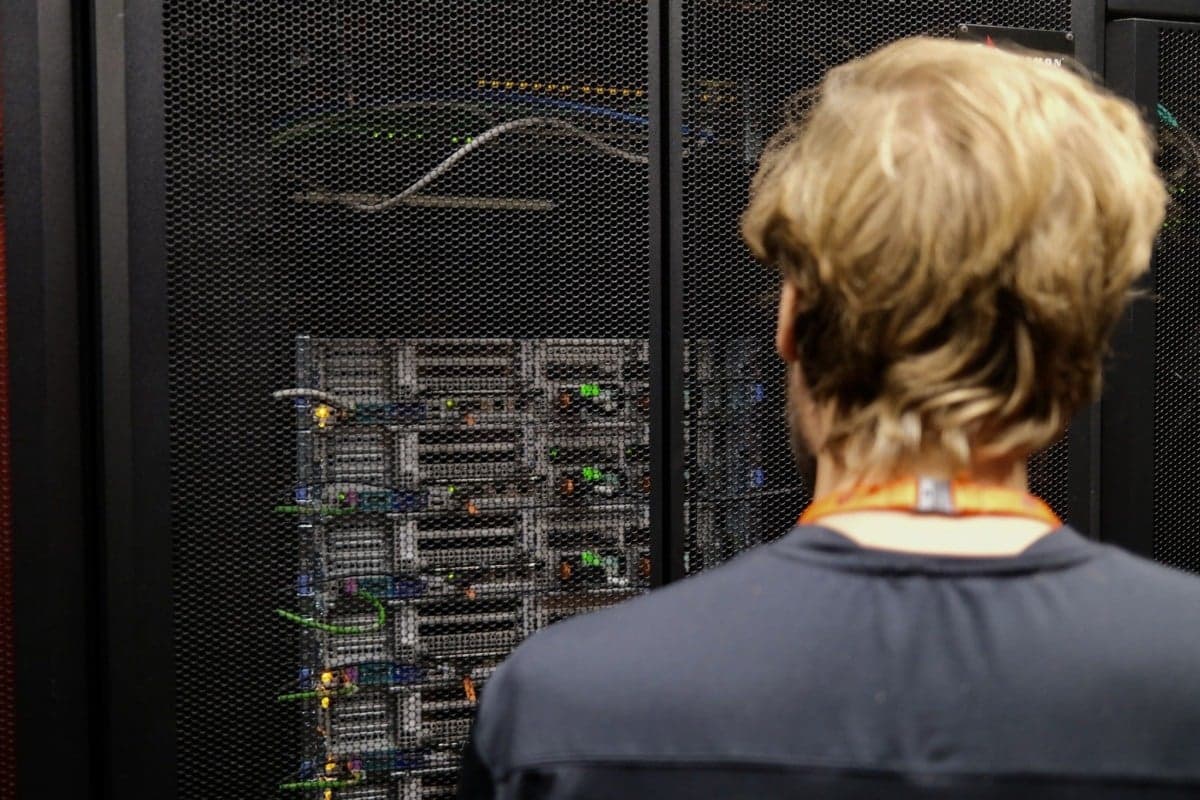
Proponents of AI verification acknowledge significant technical work remains before these tools could reliably monitor the massive computing infrastructure used to train frontier AI models. The scale and complexity of modern AI development facilities present substantial challenges for verification systems.
However, advocates point to surging interest from both policymakers and industry as a catalyst for rapid progress. This attention is driving investment and research into verification methods that could make AI agreements practically enforceable rather than dependent solely on mutual trust.
Beyond trust-based frameworks
The core innovation of these verification tools lies in their ability to provide independent confirmation of AI development activities. Traditional arms control agreements have relied on inspection regimes and mutual transparency. AI verification technology aims to create technical mechanisms that can validate compliance claims without requiring the kind of access that nations might be reluctant to grant for national security or competitive reasons.
The field remains nascent, but the convergence of technical development and diplomatic interest suggests verification capabilities could mature alongside discussions of AI governance frameworks between major powers.
These details were first reported by AI Watch.
This is an original analysis by the Omega editorial team. Source reporting: AI Watch.
Want systems like this working for your business?
Book a Call