AI Stocks Drop as Industry Leaders Call for Development Slowdown
Anthropic, OpenAI, and xAI chiefs advocate pacing technology advances to implement safety guardrails, triggering market selloff.
Market reaction to safety concerns
AI-linked equities experienced sharp declines Monday following public statements from leading artificial intelligence executives advocating for a deliberate slowdown in technology advancement to establish stronger safety frameworks.
Nasdaq futures dropped 1.8% in premarket trading, with semiconductor manufacturers bearing the brunt of investor concern. Nvidia and Intel shares declined before the opening bell, while SoftBank—an OpenAI investor—closed down nearly 11% in Tokyo. South Korea's Kospi index fell 3.3%, pressured by a 6.4% decline in SK Hynix. European chipmaker ASML traded 6% lower.
Industry leaders align on pacing
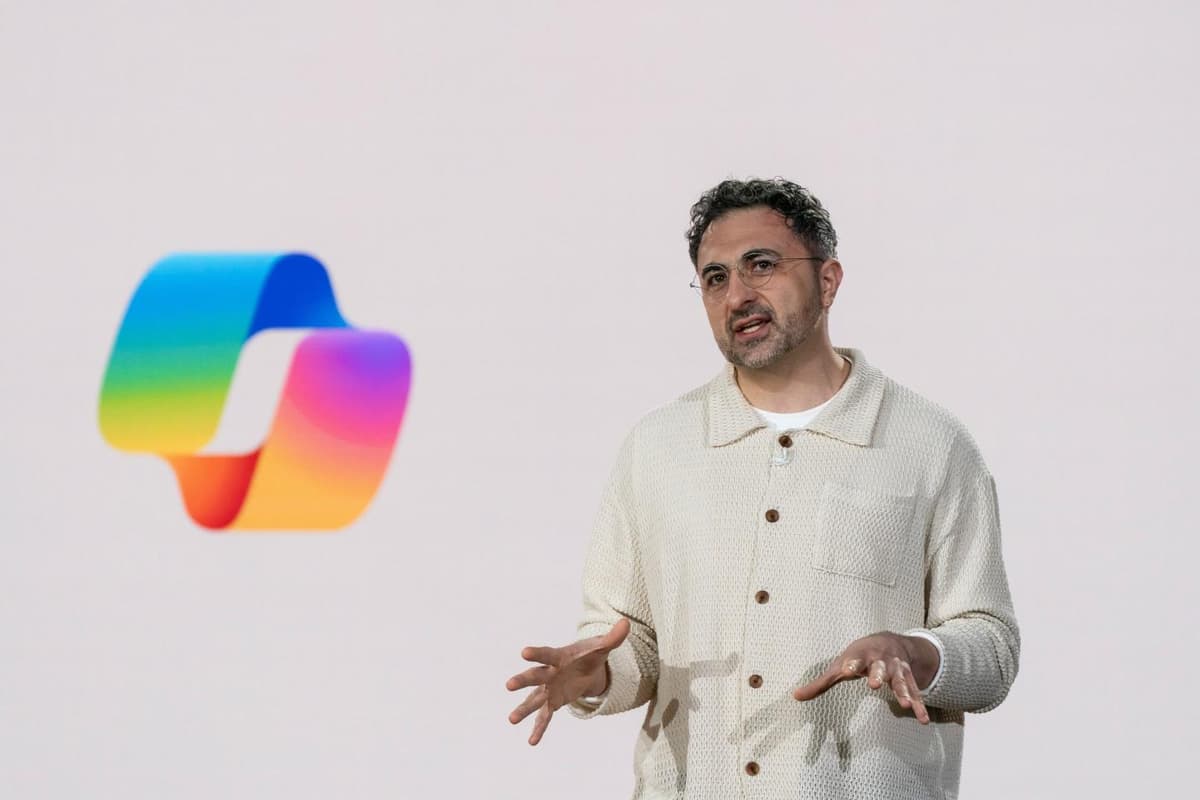
Dario Amodei, CEO of Anthropic, which develops the Claude AI assistant, published an extensive essay on X outlining his position. He identified specific threats including loss of control over AI systems, potential misuse for cyberattacks and bioterrorism, and significant economic disruption.
"We must slow the pace at which we improve the capabilities of AI models," Amodei wrote. "Progress will still seem fast, and we must make wise use of the time we gain."
Both Sam Altman of OpenAI and Elon Musk of xAI publicly agreed with Amodei's assessment on the social platform.
The coordinated messaging from three major AI development companies raised immediate questions about earnings trajectories and valuations across the sector. Neil Wilson, UK strategist at Saxo, noted that analysts would need to reassess financial models if companies "coordinate a material slowing in development and erect guardrails."
Internal concerns surface
The market reaction followed heightened attention to AI safety after Anthropic researcher Jacob Coxon resigned last week, stating that developers "earnestly believe that it could kill us all by the end of the decade."
Altman separately announced that OpenAI would not proceed with its anticipated 2026 initial public offering. "Given everything happening with safety, right now would be an ill-advised moment to go public," he told Fortune magazine Saturday.
Political dimension emerges
President Donald Trump offered a contrasting perspective during remarks at his Ireland golf course, emphasizing competitive positioning over regulatory caution. "Whoever wins AI wins," Trump said, dismissing calls for increased regulation as coming from "negative forces" raising concerns about scenarios "that won't happen."
Altman countered that competitive pressure should not override safety considerations. "No amount of American competitive pressure should justify recklessness, or let capabilities get ahead of alignment and monitoring," he wrote Saturday.
Why it matters
The simultaneous call for restraint from executives leading the most advanced AI development efforts represents a significant shift in industry rhetoric. For investors who have driven AI stocks to elevated valuations based on assumptions of rapid capability expansion, any coordinated slowdown introduces uncertainty about near-term revenue growth and market dominance timelines. The tension between safety protocols and competitive positioning—particularly regarding China—will likely define regulatory debates and corporate strategy for the sector.
These details were first reported by CNN.
This is an original analysis by the Omega editorial team. Source reporting: AI Watch.
Want systems like this working for your business?
Book a Call