AI Spending Surge Pushes Fed Toward Rate Hikes, Not Cuts
A $700 billion data center buildout is driving chip shortages and price increases across consumer electronics, undermining the productivity case for lower borrowing costs.
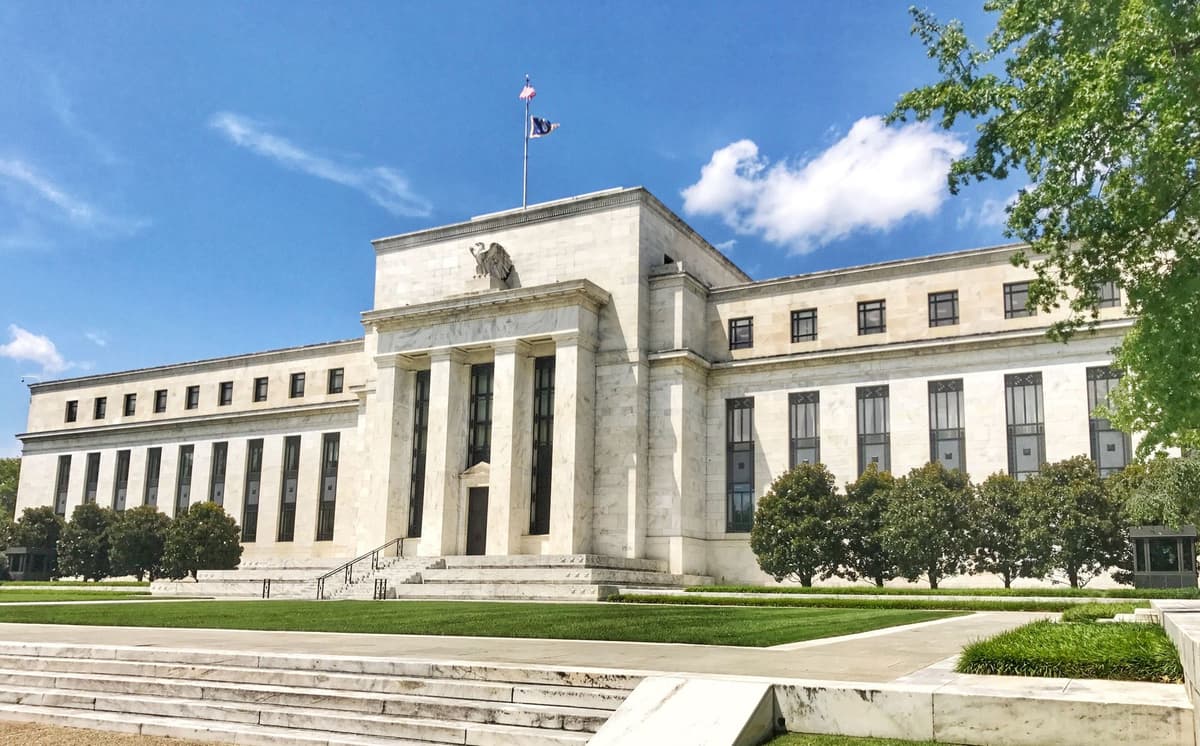
Federal Reserve Chair Kevin Warsh entered his role expecting artificial intelligence to drive productivity gains that would justify lower interest rates. Instead, he's confronting a $700 billion AI infrastructure spending wave that threatens to fuel another round of inflation and push the Fed toward raising rates rather than cutting them.
Tech giants including Microsoft, Amazon, and Meta are committing unprecedented capital to expand data center capacity, creating fierce competition for semiconductors and other critical components. That demand is now rippling through the broader economy in ways that complicate the Fed's monetary policy decisions.
The chip shortage hits consumers
The scramble for memory and storage chips needed to power AI systems is creating shortages that affect products far beyond data centers. Smartphones, video game consoles, and automobiles all depend on the same semiconductor components now being consumed by AI infrastructure projects.
Consumers are already seeing the impact. Apple raised prices on its latest iPads and MacBook models by at least $150 last week, with speculation mounting that iPhones will follow suit this fall. Nintendo increased prices for its newest handheld console in May. Microsoft announced price hikes of at least $100 for Xbox consoles starting August 1, citing expectations that memory and storage chip costs will double by the end of next year.
Cleveland Federal Reserve President Beth Hammack told CNBC that tech companies building data centers "will pay almost any price" for semiconductor equipment and "need things built yesterday." She noted she hasn't observed enough "restraint" in the economy, particularly among these buyers.
Productivity gains remain theoretical
Warsh maintains his optimistic view that AI will eventually deliver productivity improvements substantial enough to offset current demand pressures. "The AI shock is leading to a boom in capital expenditures," he said at a European Central Bank forum in Portugal. "We see that first and foremost in demand, but I'm confident we're going to see it in supply at some point."
Yet most Fed watchers and financial analysts see little evidence of broad labor productivity gains that would justify rate cuts. The Fed's preferred inflation gauge showed prices rising 4.1% in May, the largest increase in two years. A National Association of Business Economics survey released Monday found 80% of economic forecasters expect the AI buildout to be inflationary.
The Fed last cut rates by a quarter point at its December meeting and has paused since. Investors are now pricing in one rate hike by October.
Why it matters
The collision between AI infrastructure spending and monetary policy reveals a fundamental tension in how the technology's economic impact unfolds. While proponents argue AI will boost productivity and justify current investment levels, the immediate effect is demand-driven inflation that forces the Fed's hand in the opposite direction. For businesses planning capital investments and consumers already squeezed by tariffs and elevated gas prices, the chip shortage represents another headwind that could persist until AI systems begin delivering measurable productivity gains—an outcome that remains uncertain in both timing and magnitude.
These details were first reported by AI Watch.
This is an original analysis by the Omega editorial team. Source reporting: AI Watch.
Want systems like this working for your business?
Book a Call
