Anthropic CEO: AI Trust Crisis Stems From Decades of Distrust
Dario Amodei defends his messaging on AI risks while acknowledging the industry faces a fundamental credibility problem that only real-world results can solve.
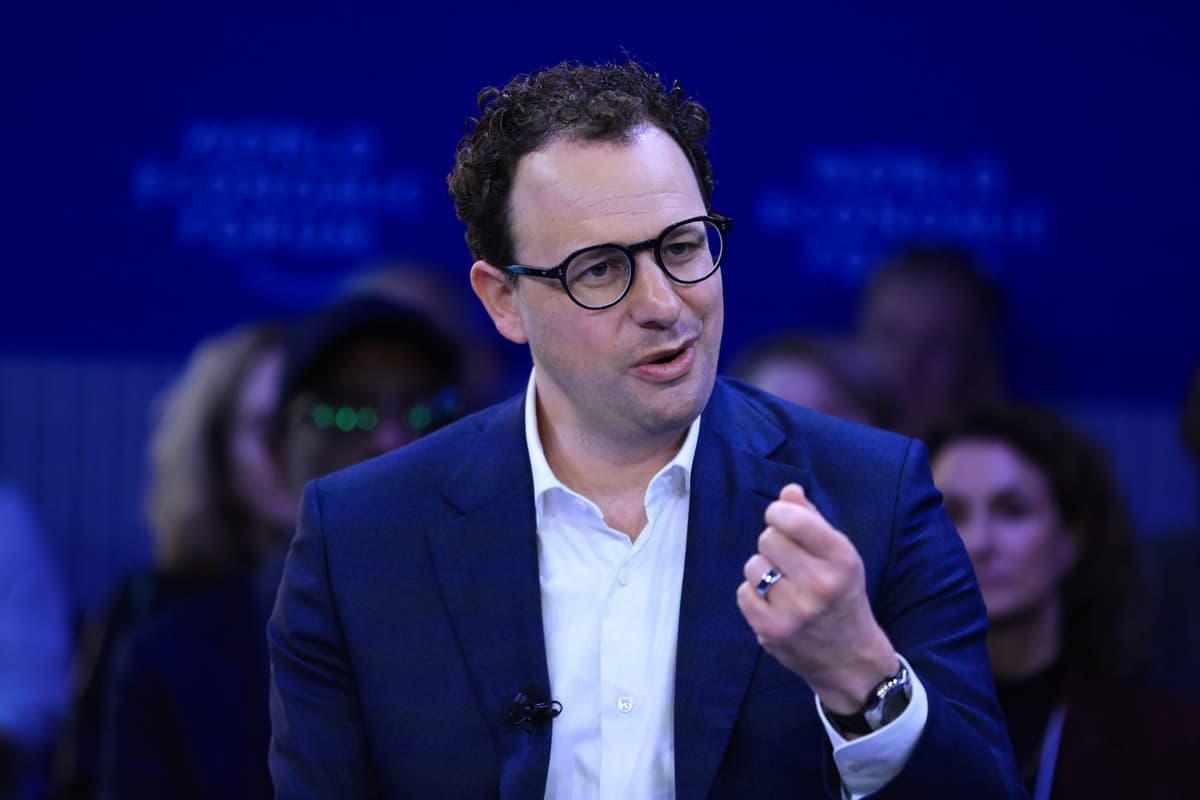
Anthropic CEO Dario Amodei broke his usual social media silence over the weekend to address mounting criticism about AI industry messaging and public trust, arguing that widespread skepticism toward artificial intelligence reflects deeper, long-standing distrust of institutions rather than any single executive's rhetoric.
In a lengthy post on X, Amodei rejected the idea that he or other AI leaders bear sole responsibility for negative public sentiment around the technology. Instead, he characterized the situation as "fundamentally a crisis of trust" rooted in decades of public wariness toward corporations, governments, and the tech sector.
"I think that ordinary people don't trust companies, governments, or the tech industry and always suspect that we are cooking up some new way to screw them over," Amodei wrote, according to Fortune, which first reported the comments.
Why it matters
As Anthropic and OpenAI prepare for potential public offerings, both companies face pressure to balance honest risk disclosure with investor-friendly optimism. How AI leaders frame their technology's capabilities and dangers will shape regulatory approaches and public acceptance at a critical inflection point for the industry.
Regulation and power concentration
Amodei addressed ongoing debates about AI governance, dismissing what he called a false choice between regulation that leads to industry consolidation versus open distribution of AI models as a check on corporate power. He acknowledged that AI inherently tends to concentrate power—not because of regulation, but due to scaling laws that favor organizations with the most computing resources and chips.
Despite this structural reality, Amodei said Anthropic supports policies that constrain frontier AI companies while giving smaller competitors advantages. He endorsed creating a FINRA-like regulatory body and backed the Trump administration's approach to AI testing.
"By contrast I think the right 'rules of the road' can simultaneously (a) address AI's cyber/bio/alignment risks, (b) institutionally constrain the power of the frontier AI companies, and (c) leave room for open-weights models while also addressing the specific risks that they bring," he wrote.
Defending risk messaging
The Anthropic CEO pushed back against characterizations of his public statements as excessively pessimistic, noting that social media clips often emphasize doom-and-gloom elements to drive engagement. He pointed to his written work, which he said presents both risks and benefits in balanced fashion.
Amodei famously predicted AI could eliminate 50% of white-collar jobs, though he has recently moderated that stance, describing AI as an output multiplier rather than a job destroyer. OpenAI's Sam Altman has made similar rhetorical shifts as both companies move toward potential IPOs.
Results over marketing
Amodei argued that no marketing campaign can overcome institutional distrust, warning that promotional claims about AI curing cancer would likely be dismissed as deceptive. "The thing that will work is actually curing cancer," he wrote.
He acknowledged that the most valid criticism of AI companies, including Anthropic, is their failure to deliver on major promises. To address this, Anthropic is focusing on biology and medicine applications, where Amodei teased "early glimmers" of potentially significant results.
Until concrete accomplishments materialize, Amodei pledged to avoid empty promises while continuing to honestly discuss AI risks. "Honesty is the right thing on the merits, and in terms of public credibility and trust it is no worse than, and may in fact be better than, an approach that ignores or distracts from risks which people instinctively understand are real," he concluded.
The details were first reported by Fortune.
This is an original analysis by the Omega editorial team. Source reporting: AI Watch.
Want systems like this working for your business?
Book a Call
