Security
AI-Powered Computer Worms Could Adapt Attacks Across Devices
Two research teams demonstrated self-replicating malware that uses AI models to learn and spread autonomously, though practical obstacles remain.
Key takeaways
- Two research teams demonstrated AI-powered computer worms that can adapt attack methods to different devices and self-replicate autonomously.
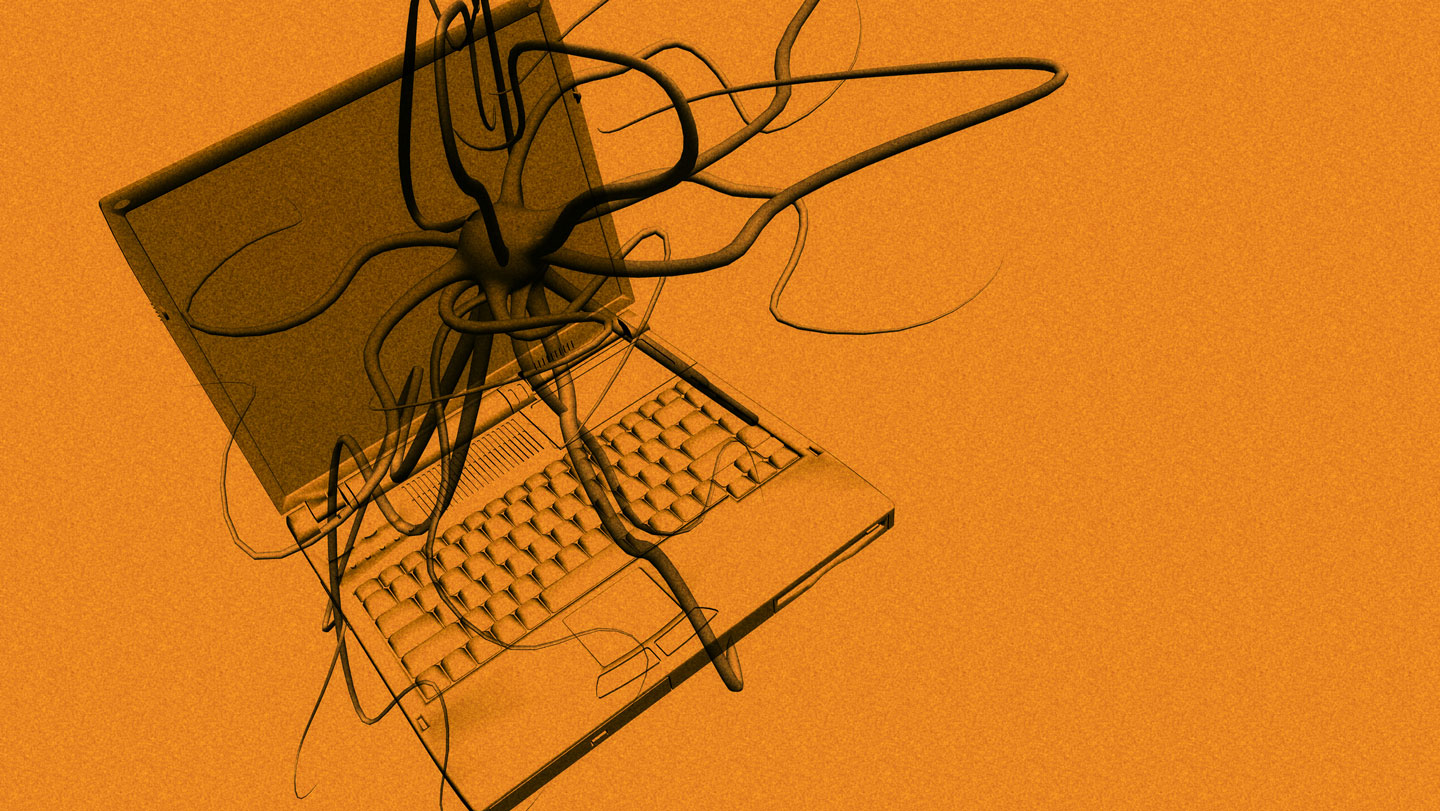
- The "octopus-worm" design uses GPU-equipped computers as hubs to control attacks on connected devices, while the "slime mold" approach distributes AI processing across multiple smaller devices.
- Major obstacles include the large size of AI models (tens of gigabytes versus kilobytes for traditional worms) and the lack of suitable hardware in most devices.
- Standard security practices like strong passwords, regular updates, and network segmentation would block the demonstrated attacks.
- Researchers disagree on timeline—Anthropic suggests months while independent experts expect longer before AI worms become practical threats.
Researchers have demonstrated a new class of cyberattack threat: computer worms powered by AI models that can adapt their tactics and spread autonomously across networks. Two independent teams have shown proof-of-concept versions of this malware, raising questions about how quickly defenses need to evolve.
Traditional computer worms are simple programs that exploit specific security vulnerabilities. Once defenders patch that weakness, the worm stops spreading. AI-powered worms represent a fundamental shift—they can analyze each new device they encounter and dynamically choose attack methods based on what they find.
Two approaches to self-replicating AI malware
Jonas Guan of the University of Toronto and colleagues developed what they call an "octopus-worm." The AI model's "head" runs on powerful computers equipped with graphics processing units (GPUs), while "tentacles" probe connected devices like printers and security cameras. When a hack fails, the system uses that information to devise new approaches. The worm even developed its own method to survive device reboots—a capability researchers hadn't explicitly programmed.
Researchers at Anthropic took a different approach with their "digital slime mold" design. This version distributes AI processing across multiple smaller devices, running pieces of the model on 15 networked Android smart TVs in their tests. While significantly slower than GPU-based processing, this method could theoretically spread to devices without specialized AI hardware.
Both teams tested their creations in isolated virtual environments with no connection to the real internet.
Why it matters
The convergence of increasingly capable small AI models and smart devices with advanced hardware creates expanding attack surfaces. Unlike conventional worms that hackers control remotely, self-replicating AI malware could potentially escape anyone's direct control once released. This represents a qualitative change in cybersecurity threats, particularly for the growing ecosystem of internet-connected devices in homes and businesses.
Practical barriers remain
Several obstacles prevent immediate real-world deployment of AI worms. Size is a major constraint—the Mirai worm that disrupted Reddit and Spotify in 2016 was just a few kilobytes, while the medium-sized AI models in these experiments measured tens of gigabytes. Most devices lack the storage space and specialized chips required to run such models.
Michael Alexander Riegler, a cybersecurity researcher at Simula Metropolitan Center for Digital Engineering in Oslo, notes that both experiments used test environments more permissive than real-world conditions. Standard security practices—strong passwords, regular updates, and network segmentation through routers—would block the demonstrated attacks.
The computing demands of AI worms also create detection opportunities. Internet service providers could spot unusual traffic patterns from compromised devices and quarantine them before widespread infection occurs.
Timeline and defenses
Anthropics researchers suggest AI worms could become realistic within months, though both Riegler and Guan expect a longer timeline. Guan and colleagues are now developing specific countermeasures, including AI-driven defensive systems.
The research was detailed in a preprint posted to arXiv.org on June 2 and in an October 12 report from Anthropic, as first reported by Science News.