AI Misidentification Nearly Triggered US Military Intercept
A chatbot analyzing Chinese vessel cargo wrongly flagged nuclear weapons components, prompting circulation of flawed intelligence before the error was caught.
Military AI Tool Produces False Nuclear Threat Assessment
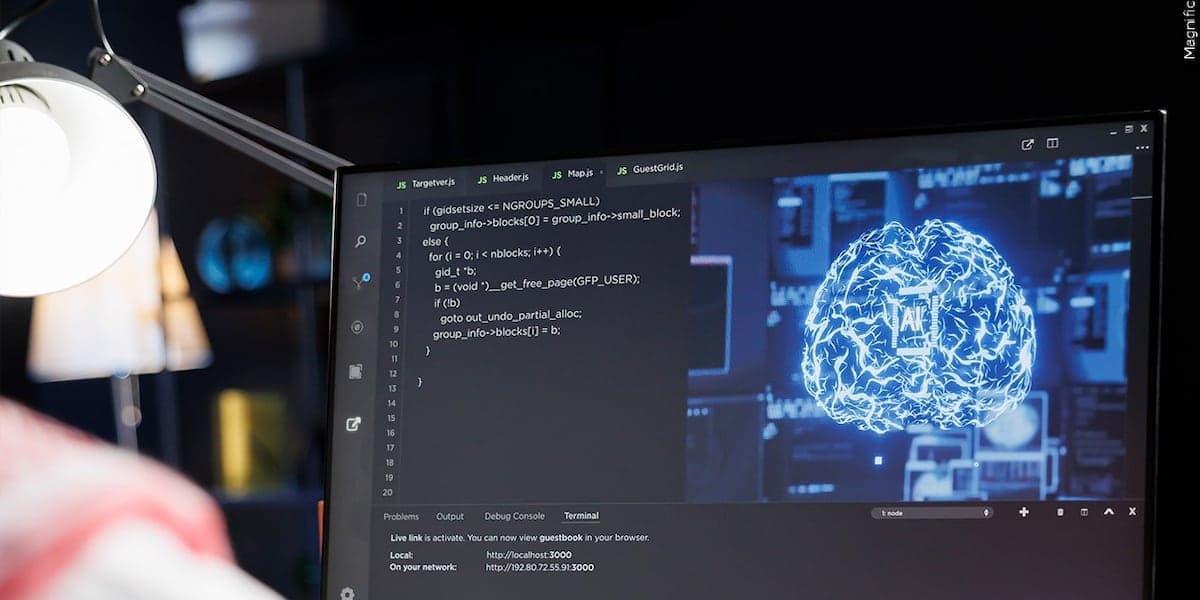
A US military intelligence analyst using an AI chatbot to evaluate cargo aboard a Chinese vessel in the Middle East generated a report that incorrectly identified materials as components linked to a nuclear weapons program, according to details first reported by CNN. The flawed assessment was formatted as a standard intelligence report and circulated within military channels before the error was discovered, nearly prompting an intercept operation.
The incident highlights operational risks as defense organizations integrate generative AI tools into intelligence workflows. The analyst used the chatbot to process a combination of open-source information and signals intelligence related to the ship's manifest. The AI system misidentified materials listed in the cargo documentation, producing conclusions that did not match the actual contents.
After generating the initial assessment, the analyst then used AI to format the findings into the military's standard intelligence report structure. This formatted report entered distribution channels before the misidentification was caught.
Why It Matters
This incident exposes a critical vulnerability in military AI adoption: the compression of analysis and formatting steps can amplify errors rather than catch them. When AI tools handle both interpretation and presentation, analysts may have fewer opportunities to validate conclusions before they reach decision-makers. For defense organizations racing to deploy AI capabilities, the episode underscores the need for verification protocols specifically designed for AI-assisted intelligence products—particularly when those products could trigger kinetic military responses.
The timing is notable as Beijing simultaneously pushes for international guardrails on military AI applications, according to separate reporting from The Defense Post on the same date. The US incident provides concrete evidence for arguments that AI systems require robust oversight frameworks before deployment in high-stakes military contexts.
Growing Pains in Military AI Integration
The US military has accelerated AI integration across intelligence, logistics, and planning functions. The Army has publicly tested AI-powered platforms designed to speed military decision-making, as referenced in Defense Post coverage. However, this incident reveals that speed gains can come with accuracy costs when AI tools operate without sufficient human validation checkpoints.
The episode raises questions about training protocols for analysts using AI assistants, the technical limitations of current chatbot systems when processing classified or sensitive intelligence, and the approval chains for AI-generated intelligence products. It remains unclear from available reporting whether the analyst followed established procedures or whether those procedures adequately account for AI-specific failure modes.
Details about the specific AI system involved, the timeline between report generation and error discovery, and whether any operational actions were initiated before the correction have not been disclosed.
The Defense Post first reported these details on September 21, 2026, citing CNN as the original source.
This is an original analysis by the Omega editorial team. Source reporting: AI Watch.
Want systems like this working for your business?
Book a Call