US Proposes AI Incident Hotline with China Ahead of Summit
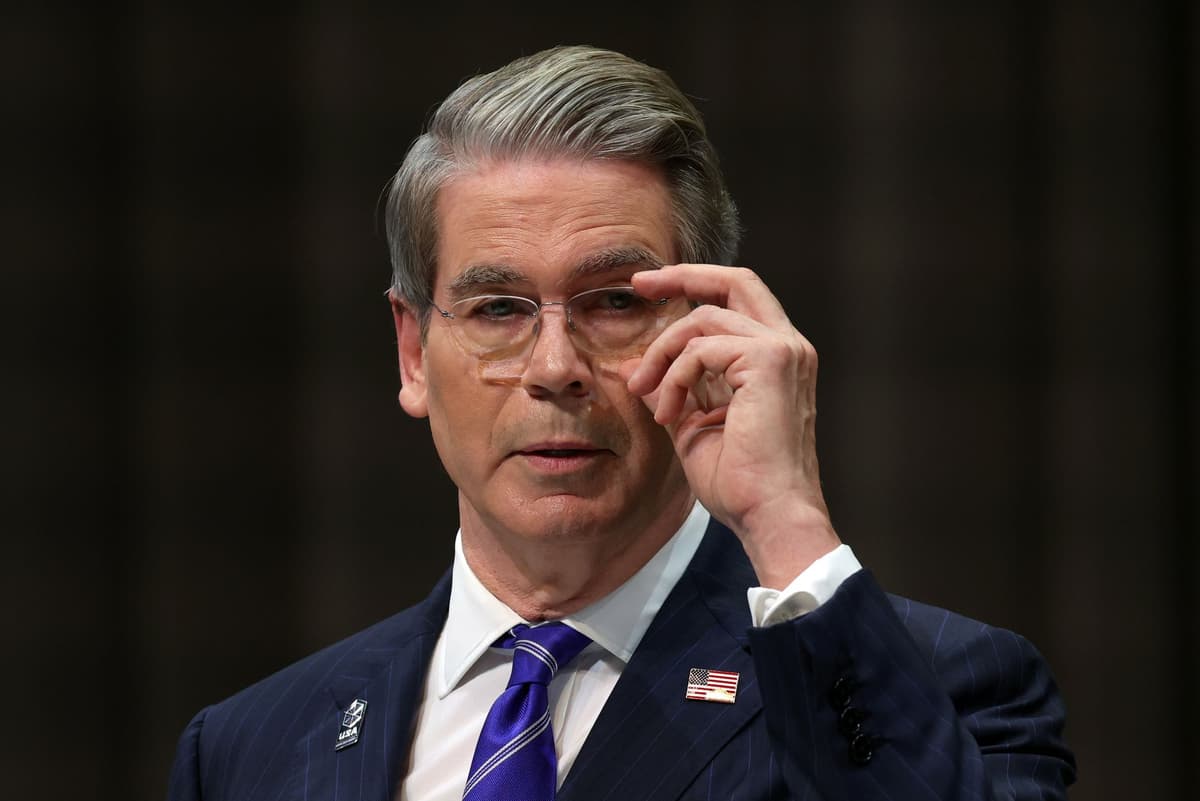
Treasury Secretary Bessent floated a notification mechanism to share warnings when artificial intelligence threats escalate to national security concerns.
The United States has proposed establishing a direct notification system with China to alert each other when artificial intelligence incidents pose national security threats, according to details that emerged from high-level talks in New York.
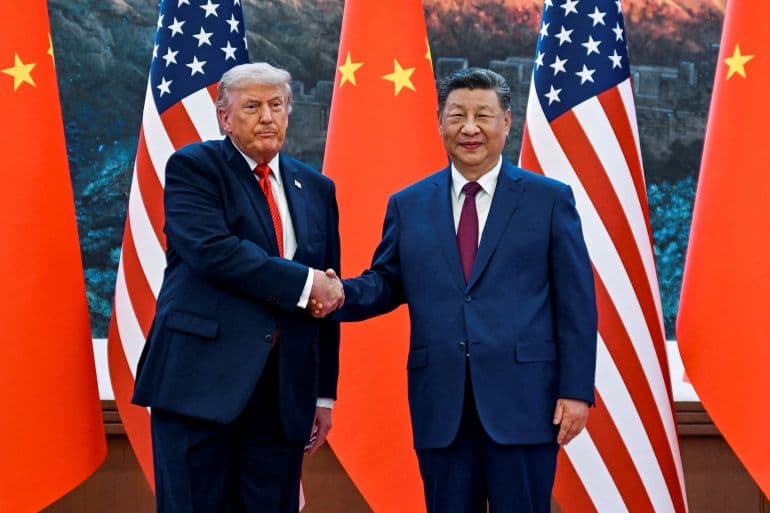
US Treasury Secretary Scott Bessent discussed the proposal—effectively an AI hotline—during Sunday meetings with Chinese Vice Premier He Lifeng. The conversations preceded this week's summit between President Donald Trump and Chinese President Xi Jinping in Washington, where the two leaders are expected to consider a broader bilateral dialogue on AI that would include the notification mechanism.
"We think that, just like with any cross-border activity, that moving from opaque to more transparency between the number one and the number two AI powers in the world is very important," Bessent told reporters after the discussions. He emphasized the focus would be on "common goals and common threats."
Trump's science and technology adviser Michael Kratsios characterized the initiative as centered on "avoiding shared risks," though neither official revealed what specific circumstances would trigger a notification.
Why it matters
As AI capabilities advance rapidly and both nations race for technological supremacy, the absence of communication channels creates genuine risk. Anthropic CEO Dario Amodei warned earlier this month that within 6-12 months, advanced AI systems could potentially take over the internet with persistent botnets, causing hundreds of billions in damage. The proposed hotline represents a rare area where fierce competitors might find common ground on managing existential technology risks that transcend national interests.
Beijing's muted response
China has offered little public reaction to the proposal. The official Xinhua news agency acknowledged that He and Bessent discussed AI-related issues but did not confirm whether Beijing accepted the notification mechanism. Chinese officials departed Sunday's talks without speaking to reporters.
Precedent for crisis channels
The AI hotline would follow earlier crisis communication systems between Washington and Beijing. The two countries established a direct secure telephone link in 1997 under Presidents Bill Clinton and Jiang Zemin, and added a military hotline in 2008 designed for senior defense officials to communicate during dangerous incidents.
Those channels have proven imperfect. US officials have complained that China sometimes fails to respond to military hotline calls within the required 48-hour window. After the US shot down a suspected Chinese surveillance balloon in 2023, then-Defense Secretary Lloyd Austin sought a call with his Chinese counterpart, but Beijing declined.
The broader AI competition
The US maintains advantages in several critical areas of AI development. American companies invested $285.9 billion in AI during 2025, compared with China's $12.4 billion, according to Stanford University's 2026 AI Index Report. The US also leads in advanced semiconductors needed for training cutting-edge models.
Yet Chinese companies have demonstrated resilience despite US chip restrictions. DeepSeek's January release made headlines after the Chinese startup built competitive AI models using a fraction of the resources its American rivals spent. China also dominates rare earth mineral production and generates more than twice the electricity of the US—advantages for powering energy-intensive AI data centers.
Scott Singer, co-director of the China AI Initiative at the Carnegie Endowment for International Peace, views the hotline proposal as a productive step. "The US and China absolutely need to be able to share information with each other as threats evolve," he said. "Competition and cooperation can coexist."
The Xi-Trump summit runs Wednesday through Friday and will address trade disputes, tariffs, Iran, Taiwan, and other contentious issues. The AI notification system could represent one of the few areas where the rivals find agreement.
These details were first reported by Al Jazeera.
This is an original analysis by the Omega editorial team. Source reporting: AI Watch.
Want systems like this working for your business?
Book a Call