AI Investment Surge Faces a Demand Problem Nobody Can Answer
With $3.2 trillion in AI deals this year and mass layoffs already underway, tech leaders have no plan for who will buy AI products when jobs disappear.
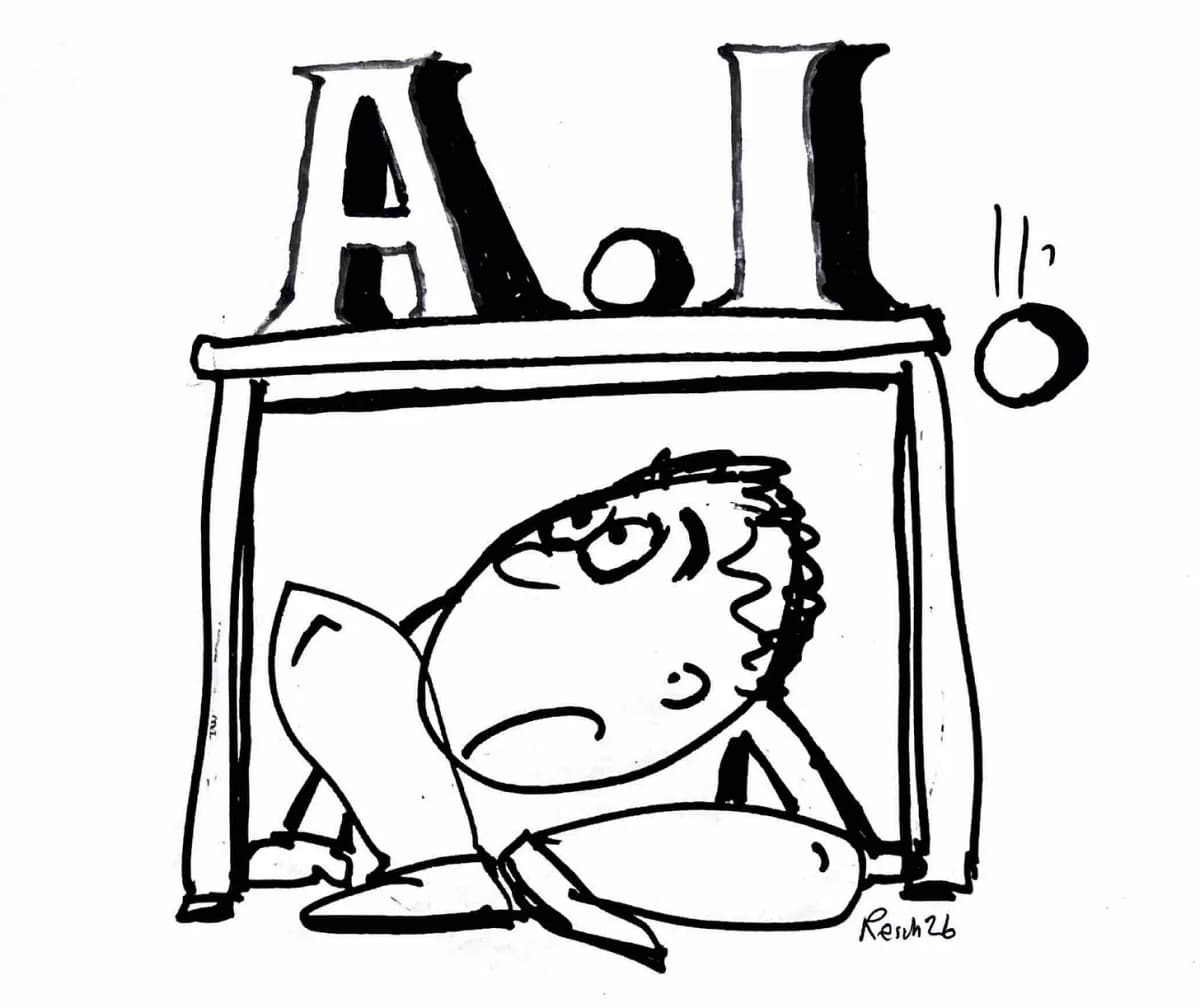
The AI spending boom and its unasked question
AI dealmaking reached $3.2 trillion through June 2024, representing a 45 percent increase from the prior year and the highest half-year total in at least a decade, according to data provider Dealogic. The spending included 44 transactions exceeding $10 billion each.
Yet beneath this investment frenzy lies an economic paradox that industry leaders have yet to address: if AI eliminates millions of jobs and erodes middle-class purchasing power, who will buy the AI products and services these companies are building?
Major corporations are already citing AI as justification for workforce reductions. Cisco, Block, Coinbase, HP, IBM, and Salesforce have all announced AI-related layoffs. Two weeks before this analysis, Anthropic CEO Dario Amodei published a policy memo warning that AI would produce labor disruptions larger and more prolonged than any previous technological shift. Short-seller Carson Block predicted AI could eliminate 15 percent of knowledge worker positions within three years.
The productivity paradox
Some executives suggest reduced work hours as the solution. Zoom's Eric Yuan envisions three- or four-day workweeks. JPMorgan Chase CEO Jamie Dimon floats three-and-a-half days. Microsoft co-founder Bill Gates wonders about two-day weeks. Elon Musk claims work will become "optional" within 10 to 20 years, with "universal high income" eliminating poverty.
These projections ignore economic reality. Companies implementing shorter workweeks will reduce compensation proportionally. Workers generating the same or greater value through AI assistance won't see corresponding wage increases—a pattern already evident in decades of productivity growth that failed to lift median wages when adjusted for inflation.
The result: workers will either accept lower total earnings or take multiple jobs to maintain current income levels. Either scenario shrinks the consumer base that AI companies depend on for revenue.
Why it matters
This isn't just a theoretical problem—it's a structural threat to the AI industry's business model. Without a consuming public that can afford AI products and services, the $3.2 trillion in deals may represent a bubble built on faulty assumptions about future demand. The concentration of AI productivity gains among a small ownership class creates a self-defeating cycle: the more successful AI becomes at replacing workers, the fewer customers exist to purchase its output.
Missing solutions
Several redistribution mechanisms could address the demand gap. Wealth taxes could fund childcare, elder care, and healthcare. A sovereign wealth fund holding half of all AI company shares could distribute dividends to citizens. Universal Basic Income financed by corporate profit taxes represents another option.
The challenge isn't identifying potential solutions—it's generating political will to implement them. AI industry leaders have remained silent on this fundamental economic question, offering no framework for how productivity gains will reach the broader population.
These details were first reported by Robert Reich in his analysis of AI investment trends and their economic implications.
This is an original analysis by the Omega editorial team. Source reporting: AI Watch.
Want systems like this working for your business?
Book a Call
