Policy
AI Gun Detection System Mistook Doritos for Weapon, Lawsuit Says
Baltimore County police drew guns on four Black teens after school security software flagged a bag of chips as a firearm.
Key takeaways
- Baltimore County police detained four Black teens at gunpoint after AI gun-detection software misidentified a bag of Doritos as a weapon.
- Maryland's education inspector general found 99 percent of alerts from the Omnilert Gun Detect system in county schools were false positives.
- School administrators initially canceled the alert but later forwarded the footage to police, triggering the armed response.
- The lawsuit alleges civil rights violations and highlights dangers of deploying unproven AI systems in school security.
- Officers acknowledged the AI failure at the scene, with one telling students "AI is not the best" after finding nothing.
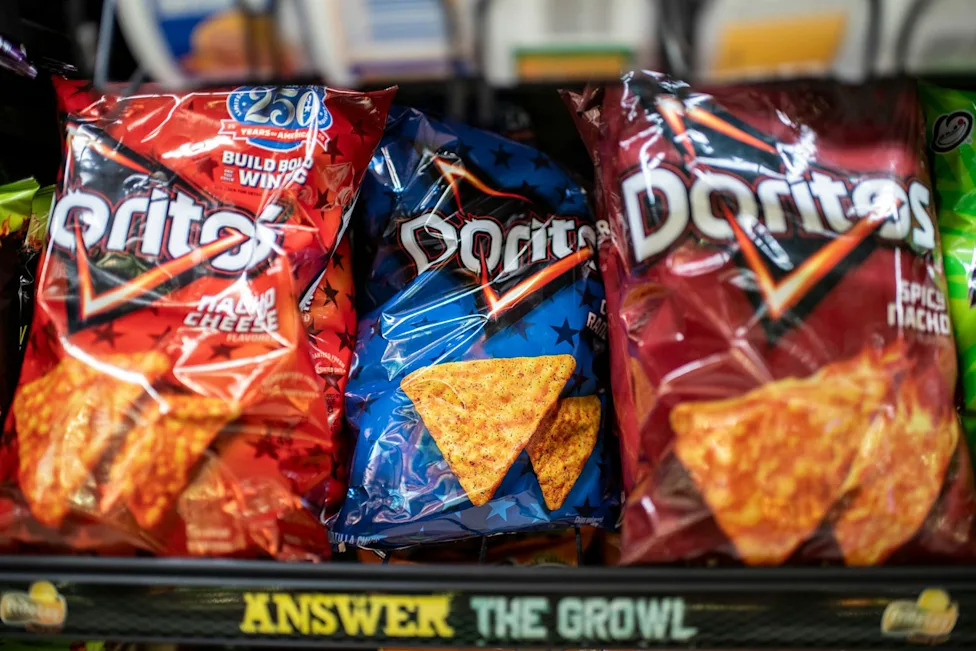
Four Black teenagers were detained at gunpoint by Baltimore County police after an artificial intelligence weapon-detection system scanning school security cameras mistakenly identified a bag of Doritos as a firearm, according to a federal lawsuit filed this week.
The October 20, 2025 incident occurred outside Kenwood High School in Maryland, where 16-year-old Taki Allen and three classmates were waiting for a ride home from football practice. At least six police vehicles responded to the scene, with officers drawing weapons and forcing the students to the ground before searching them.
The Lawyers' Committee for Civil Rights Under Law filed suit Tuesday on behalf of Allen, Yui-Osa Ogbeide, Devon Thompson Jr., and Keith Winfield III against the Baltimore County Police Department, the county board of education, school administrators, and individual officers.
How the False Alert Escalated
The Omnilert Gun Detect system, which analyzes security footage for potential weapons, generated the initial alert. School administrators and police reviewed the notification and canceled it. However, ten minutes later, the school principal sent a screenshot of the flagged footage to a colleague, who forwarded it to police. Officers then responded in force.
After the search yielded nothing, one officer reportedly told the students, "AI is not the best," while another said, "Fucking Omnilerts." A third officer remarked, "Hey, thanks for not running away, that would have been a real problem." The lawsuit alleges the principal later texted staff to laugh about the incident.
A Pattern of False Positives
Omnilert Gun Detect was patented in 2022 and implemented in Baltimore County schools roughly a year later. The company claims its system "distinguishes guns from inert objects such as cell phones, hand tools, common office objects and more" to reduce false alerts.
Maryland's Office of the Inspector General for Education found that 99 percent of alerts generated by the system in Baltimore County schools have been false positives, according to the lawsuit.
Why it matters
This case highlights the risks of deploying immature AI systems in high-stakes environments where errors can escalate into dangerous confrontations. When weapon-detection technology fails at a 99 percent rate, it transforms schools into zones of potential trauma rather than safety—particularly for students of color who already face disproportionate policing. Organizations considering AI security tools must weigh accuracy metrics against the human cost of false alerts.
"These students were failed not only by a technology that is prone to false alerts, but also by the very adults meant to keep them safe when we send them to school," said Damon Hewitt, president and executive director of the Lawyers' Committee for Civil Rights Under Law. "Instead of this protection, they were met with guns and traumatized. And it could have been even worse."
Details of the incident and lawsuit were first reported by AI Watch.