AI-Generated Misinformation Kills $175M Louisiana Solar Project
A coordinated Facebook campaign using AI-generated content convinced Iberia Parish officials to pass restrictions that effectively blocked renewable energy development.
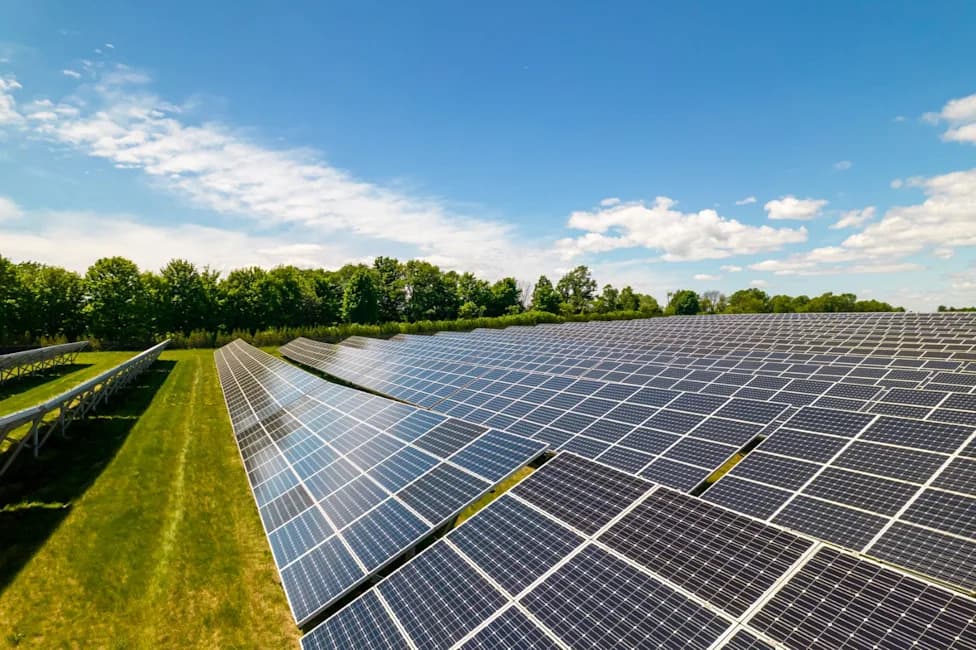
A $175 million solar energy project in Louisiana has been effectively killed after local officials passed restrictive zoning rules following a coordinated misinformation campaign that deployed AI-generated content across social media platforms.
In July 2025, Iberia Parish enacted regulations requiring utility-scale solar facilities to maintain at least half a mile of distance from residential property lines. Local renewable energy advocates say the requirement made the planned Acadiana Solar project economically unviable.
The misinformation campaign
The opposition effort centered on a Facebook group with approximately 1,200 members specifically organized to block utility-scale solar development in Iberia Parish. According to threat intelligence firm Alethea, similar anti-solar posts appearing across multiple states have been traced to anonymously operated accounts functioning as "AI slop machines" designed to simulate authentic grassroots opposition.
At a June 2025 parish council meeting, opponents raised concerns about fires, soil contamination, chemical leaks, and property value declines. One resident, Cathrine DeGroat, stated she had conducted her own research and didn't need experts to tell her the panels couldn't cause cancer or leak harmful substances.
What the evidence shows
Researchers and energy experts have directly contradicted these claims. Terrence Chambers, retired director of the University of Louisiana at Lafayette's Center of Efficiency and Sustainable Energy, testified to lawmakers that "rainwater does not wash any toxic materials into the soil." His research team found solar installations produce "no harmful emissions or runoff" that would damage agricultural land.
Despite this scientific evidence, the misinformation campaign proved effective enough to sway local decision-makers.
Economic impact
The blocked project would have generated significant local revenue. Landowner Andree McAnally, whose family had agreed to host part of the installation, told parish officials that "people are fueled by misinformation."
Research indicates solar projects generate substantially more property tax revenue than farmland. The Oxbow solar project in neighboring Pointe Coupee Parish is projected to produce $9.7 million in local tax revenue during its first three years of operation.
Louisiana currently has 19 operating solar projects statewide and has implemented decommissioning requirements and closure funds to address concerns about abandoned installations.
Why it matters
This case demonstrates how AI-generated content can be weaponized to influence local policy decisions with significant economic consequences. The coordinated use of artificial intelligence to create and distribute false information at scale represents a new challenge for renewable energy development and democratic decision-making processes. As Monika Gerhart of the Gulf States Renewable Energy Industries Association noted, the question is whether such projects will simply move to neighboring states, taking their tax revenue with them.
These details were first reported by Tennessee Lookout.
This is an original analysis by the Omega editorial team. Source reporting: AI Watch.
Want systems like this working for your business?
Book a Call
