AI Data Centers Turn to Captive Insurance as Risks Outpace Market
Tech giants are creating their own in-house insurance entities to cover massive facilities that traditional carriers struggle to underwrite.
Tech Infrastructure Revives Corporate Self-Insurance
Companies building artificial intelligence data centers are increasingly establishing captive insurance operations—self-funded entities that allow firms to underwrite their own risks rather than purchasing coverage from traditional carriers. The shift mirrors strategies pioneered by oil and mining companies decades ago, according to Michael Serricchio, who leads captive solutions for the US and Canada at Marsh, the world's largest insurance broker.
"What you're going to see is an explosive growth in the use of captives to take on the portfolio risks for data centers," Serricchio told Bloomberg in an interview. "Inadvertently, some of the risk for build-outs, construction, surety, property and liability will end up in their captive."
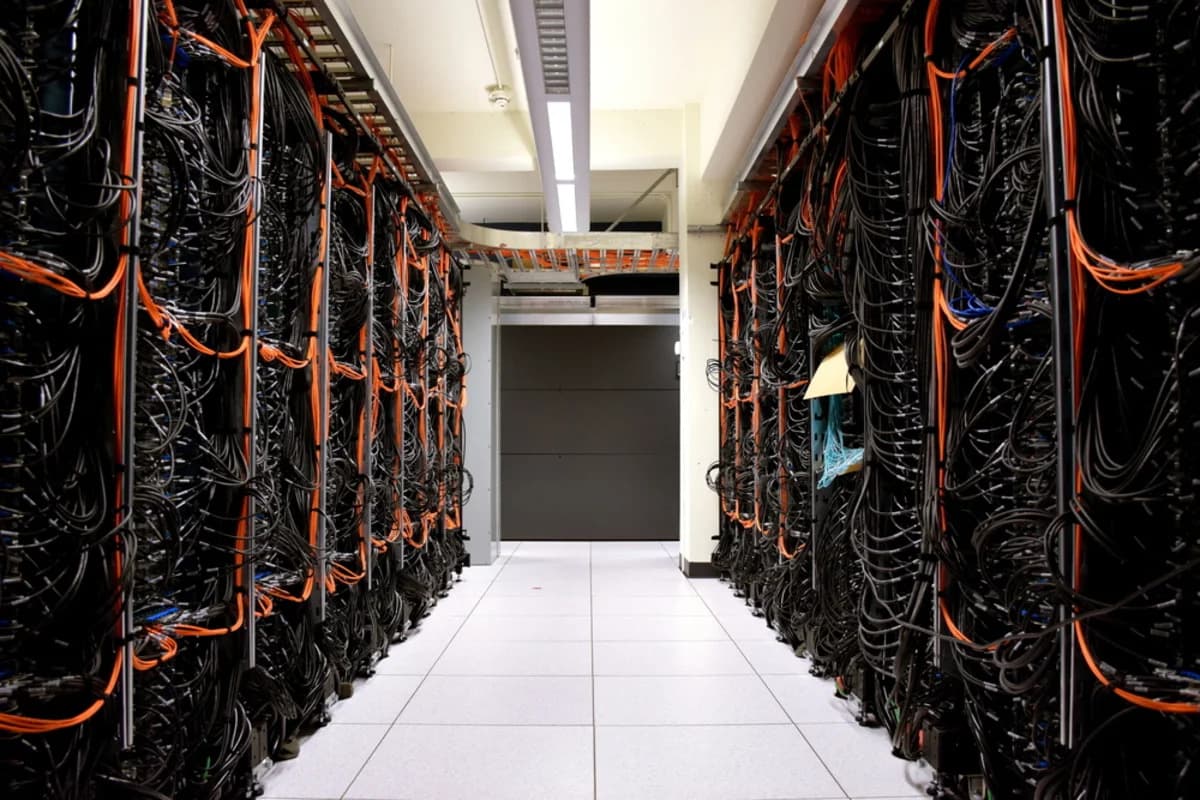
The development signals a fundamental mismatch between AI infrastructure demands and existing insurance market capacity. Data centers supporting large language models and other AI workloads often exceed the scale of anything traditional insurers have previously underwritten.
Why it matters
This insurance gap reveals how quickly AI infrastructure is outpacing established business frameworks. When companies can't buy adequate coverage through conventional channels, they're forced to become their own insurers—concentrating risk on their balance sheets while potentially reducing transparency about the true costs and hazards of the AI buildout. The trend also suggests that physical AI infrastructure carries underappreciated risks that the broader market hasn't fully priced.
Geography Compounds Coverage Challenges
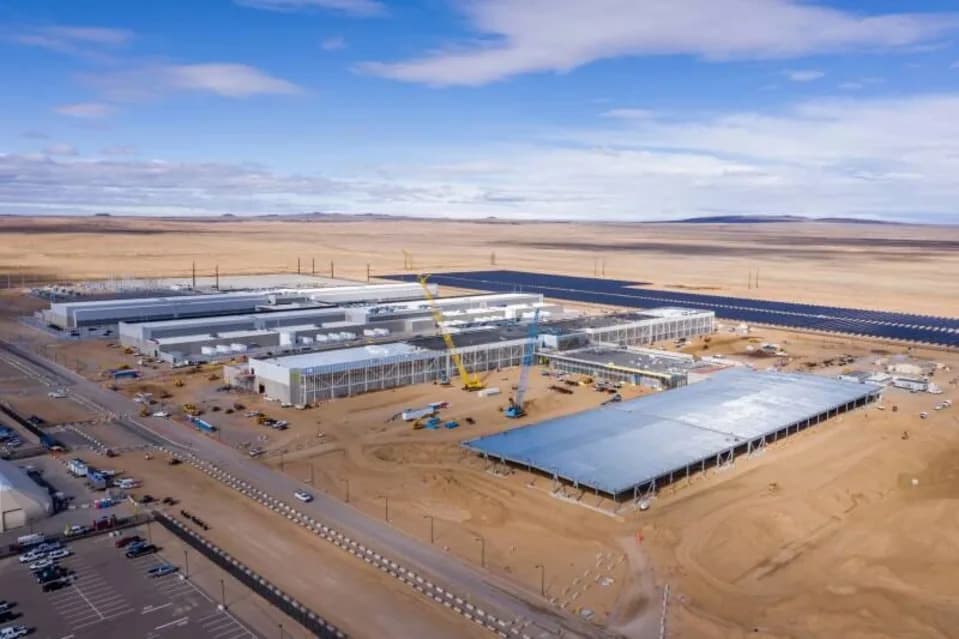
Location choices for AI data centers frequently prioritize cheap land and power access over climate stability. Many facilities are being constructed in regions prone to tornadoes, flooding, and drought—environmental exposures that complicate traditional insurance underwriting and drive up premiums.
Captive insurance structures allow companies to retain premiums as working capital rather than treating them as sunk costs paid to third-party carriers. According to AM Best, an insurance-focused credit rating firm, approximately 150 US captives it rates generated over $8 billion in savings during the past five years.
Market Scale and Precedent
More than 6,000 captive insurance entities now operate globally, writing roughly $240 billion in annual premiums—nearly 20 percent more than two years ago, according to data compiled by Captive Review, a trade publication. The model has expanded beyond its origins in oil and gas to cover risks ranging from natural catastrophes to liability and workers' compensation.
Insurance broker Cottingham & Butler describes the ability to convert insurance "from a pure cost center into a potential profit center" as the corporate world's "best kept financial secret."
Serricchio declined to identify specific companies establishing captives for AI infrastructure, citing the sensitivity of such arrangements.
These details were first reported by Bloomberg.
This is an original analysis by the Omega editorial team. Source reporting: AI Watch.
Want systems like this working for your business?
Book a Call