AI Data Centers May Be Warming Washington Rivers, Study Finds
University of Washington researchers using satellite data detected temperature increases up to 2.5°C near data center clusters along the Columbia River.
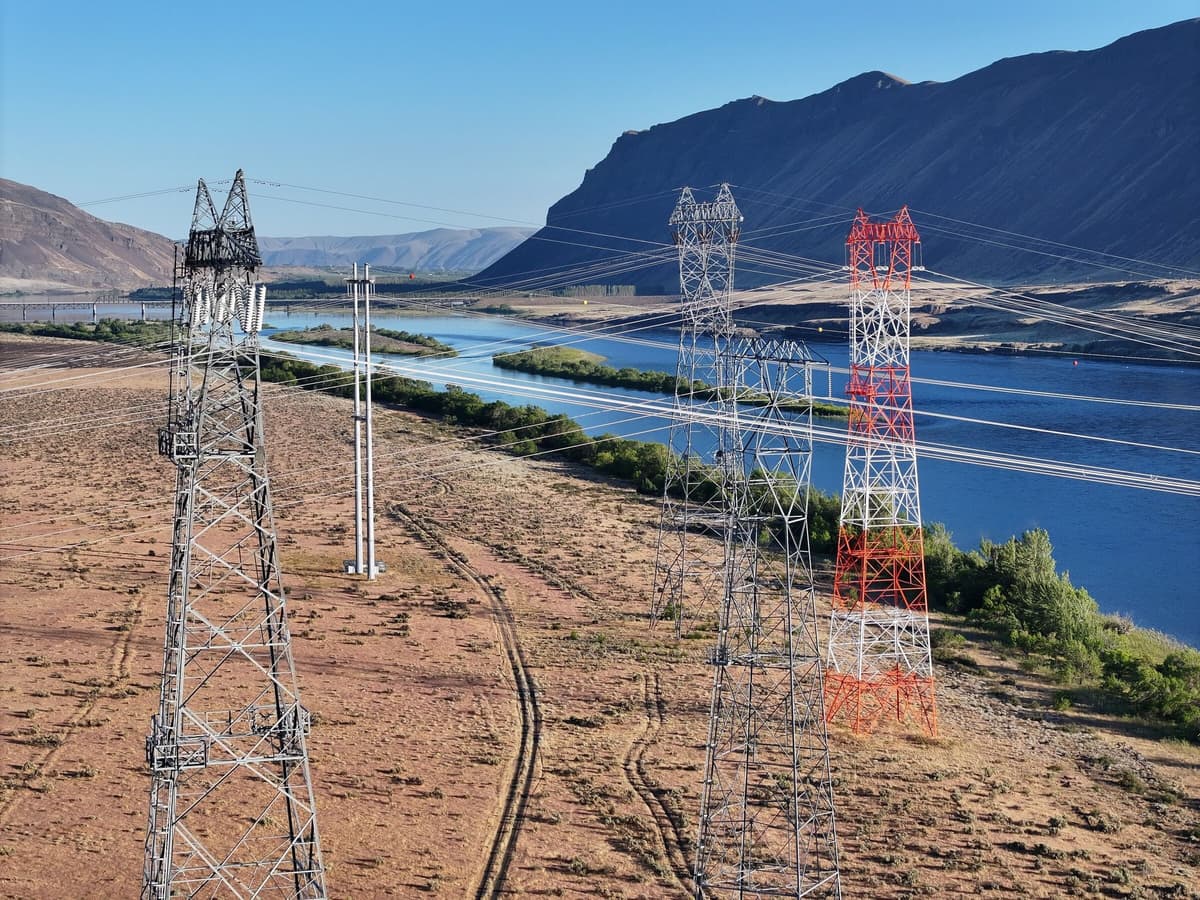
Satellite Data Reveals Unexpected Thermal Footprint
Researchers at the University of Washington have identified a previously overlooked environmental consequence of AI infrastructure: localized warming of rivers near data center facilities. Using four decades of satellite temperature data, the team analyzed 37 AI data centers and found warming signals consistent with thermal discharge from these energy-intensive operations.
The research began with an unexpected question from Elaine Harvey, watershed department manager for the Columbia River Inter-Tribal Fish Commission. While the team was developing satellite tools to track river temperatures for fisheries management, Harvey asked whether the same technology could detect impacts from data centers—a connection the researchers hadn't previously considered.
Applying their validated Thermal History of Regulated Rivers (THORR) tool, the scientists focused on December temperatures in the Columbia River, when colder conditions minimize confounding factors like low summer flows. They detected average warming of up to 2.5°C following data center establishment, with effects most pronounced near facility clusters and typically dissipating within six kilometers downstream.
Why It Matters
Washington has become a major data center hub due to its technology sector, favorable tax policies, and access to Columbia River Basin hydroelectric power. As AI drives explosive growth in these facilities—with AI queries consuming significantly more energy than standard web searches—understanding their cumulative environmental impact becomes critical for both ecosystem health and sustainable infrastructure planning. The findings challenge the abstract notion of the "cloud" by revealing concrete downstream consequences.
Transparency and Monitoring Gaps
A significant barrier to rigorous assessment is the lack of facility-level data. Researchers cannot access information about cooling water management practices or whether warmed water is discharged directly into rivers or routed through municipal systems. This opacity prevents effective evaluation and mitigation of thermal impacts.
The research team, led by Professor Faisal Hossain of UW's civil and environmental engineering department, emphasizes they are not advocating to halt data center growth. Instead, they call for four specific actions: making river temperature monitoring a standard requirement, improving transparency in water withdrawal and discharge practices, expanding sustainable AI governance beyond carbon accounting to include water impacts, and treating ecological monitoring as essential rather than optional.
Path Forward
While satellite measurements carry inherent uncertainty, the observable trends warrant detailed field investigation using higher-precision methods such as drone-based thermal imaging. The researchers frame this as an opportunity for Washington to extend its leadership in science-based policy to address what they term the "non-meteorological cloud"—infrastructure that is now integral to modern life but whose environmental footprint remains largely invisible.
The findings were first reported in The Seattle Times, with contributions from recent UW graduates Shahzaib Khan and George Darkwah, and UC Berkeley summer intern Olivia Wang.
This is an original analysis by the Omega editorial team. Source reporting: AI Watch.
Want systems like this working for your business?
Book a Call
