AI Companies Pour $43M Into Midterm Races to Shape Regulation
OpenAI and Anthropic are funding rival super PACs in congressional contests as federal AI legislation stalls.

Artificial intelligence companies are deploying unprecedented campaign spending to influence the 2026 midterm elections, with AI-focused super PACs spending $43.3 million on congressional races according to OpenSecrets data.
The spending reveals deep divisions within Silicon Valley over how AI should be regulated. OpenAI-linked groups and rival Anthropic are backing opposing candidates in races across the country, turning congressional primaries into proxy battles over the future of AI governance.
A Manhattan primary becomes ground zero
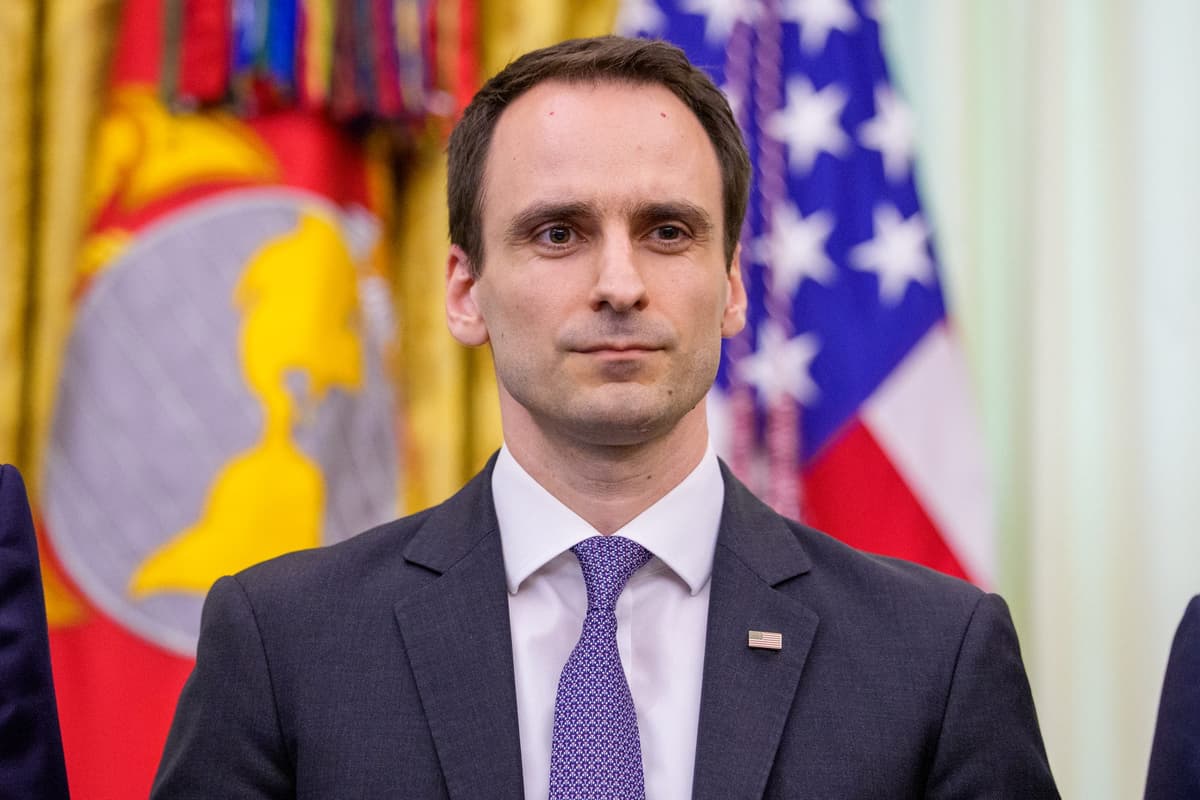
The starkest example is playing out in New York's 12th Congressional District, where more than $15 million in AI-backed spending has flooded a Democratic primary to replace retiring Rep. Jerry Nadler. The race centers on Alex Bores, a 35-year-old state assemblyman and former Palantir employee who co-sponsored New York's Responsible AI Safety and Education Act, which requires AI companies to report safety incidents and publish safeguard information.
Super PACs tied to OpenAI investors have spent millions attacking Bores, arguing that state-level AI laws would create a "chaotic patchwork" that stifles innovation. Anthropic, founded by OpenAI defectors who advocate for stronger regulation, has countered with millions supporting Bores. The primary takes place June 23.
Competing visions of AI governance
The political split mirrors corporate competition between the two AI giants. Leading the Future, funded primarily by OpenAI investor Andreessen Horowitz and OpenAI co-founder Greg Brockman, has raised over $75 million and spent $23.5 million across dozens of races. The group advocates for national AI standards rather than state-by-state rules.
Public First, backed by $20 million from Anthropic, takes the opposite position, opposing federal efforts to preempt state regulation without adequate safeguards. Its affiliated PACs have spent $16.6 million on congressional races in North Carolina, Texas, Utah and other states.
Meta is funding super PACs in Texas and California, while Google and Meta jointly back another California-focused group. The spending represents a shift from Silicon Valley's traditional approach of individual executive donations and corporate PACs to more aggressive direct political intervention.
Why it matters
This spending wave comes as Congress remains deadlocked on AI legislation despite bipartisan agreement that new rules are needed. The campaign dollars are designed to shape not just election outcomes but the broader political conversation around regulation. As independent researcher Molly White notes, the real goal may be sending a message to other candidates considering support for stricter AI oversight.
The stakes extend beyond politics. AI companies contributed significantly to recent stock market gains and GDP growth, but concerns are mounting over job displacement, data center energy consumption, and AI model safety. In 2025, OpenAI, Meta, Google parent Alphabet, and Nvidia spent a combined $50.9 million lobbying Congress. Anthropic quadrupled its lobbying spending in the first quarter of 2026 compared to a year earlier, while OpenAI nearly doubled its outlays.
With Republicans maintaining congressional control but the Senate's 60-vote threshold requiring bipartisan compromise, the outcome of this year's elections will significantly shape any eventual AI legislation. Meanwhile, public unease about AI continues to grow, creating tension between industry ambitions and voter sentiment.
These details were first reported by NPR.
This is an original analysis by the Omega editorial team. Source reporting: AI Watch.
Want systems like this working for your business?
Book a Call