Policy
AI Bot Eviction Case Spurs North Carolina Lawmaker's Push
A Raleigh tenant was evicted after an undisclosed AI agent promised a rent extension, prompting renewed calls for consumer protection legislation.
Key takeaways
- A Raleigh tenant was evicted after an undisclosed AI property management bot sent an email promising a rent payment extension that was later revoked.
- The AI-generated emails contained no disclosure of automation and included sympathetic language that led the tenant to believe she was communicating with a human.
- North Carolina Sen. Jim Burgin plans to reintroduce legislation requiring companies to disclose when customers are interacting with AI systems.
- The apartment complex disclosed its use of the AI agent called Olivia in December 2025, but the November emails to the tenant were not marked as AI-generated.
- The case highlights liability questions when AI systems make consequential business decisions without adequate human review.
AI-Generated Email Leads to Tenant Eviction
A Raleigh woman's eviction following conflicting messages from an undisclosed AI property management system has prompted North Carolina state Sen. Jim Burgin to renew his push for legislation requiring companies to disclose their use of artificial intelligence.
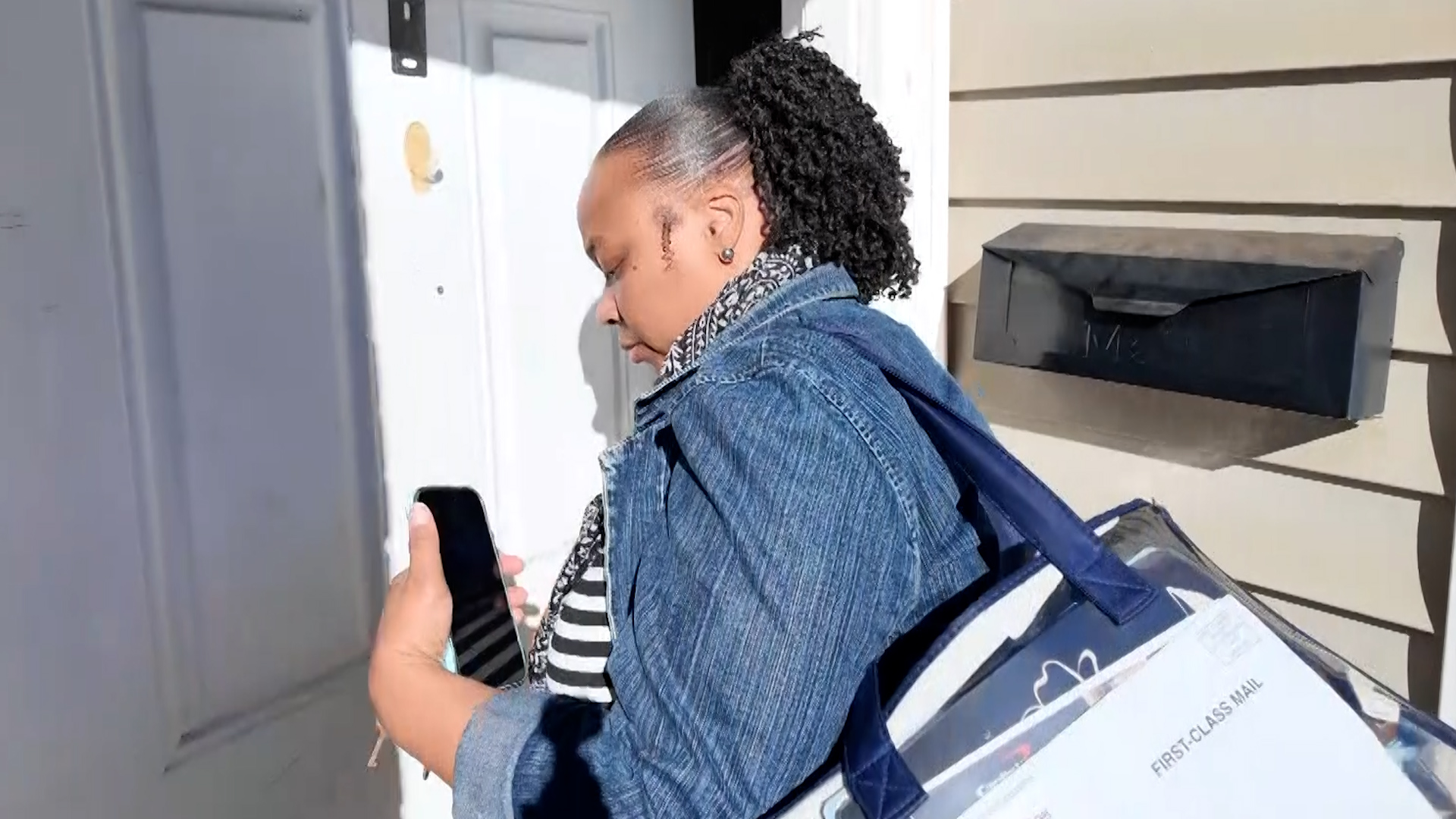
Laura Mack received an email on Nov. 8 from Colony Townhome Apartments stating she could pay her nearly $4,000 overdue rent balance by the end of the month. Days later, she received an eviction notice. The landlord attributed the confusion to an AI-powered agent called Olivia, which had mistakenly authorized the payment extension, according to details first reported by WRAL Investigates.
The November emails contained no disclosure that they were AI-generated. One message included sympathetic language about maintenance issues in Mack's unit—"I also know you're dealing with the hole in the downstairs bathroom ceiling. I'm sorry you're dealing with that"—leading her to believe she was corresponding with a human staff member. The emails were signed "Best regards, Colony Townhome Apartments."
Mack was evicted Thursday and is staying in a hotel while determining her next steps.
Why it matters
This case illustrates the real-world consequences when AI systems make consequential decisions without adequate human oversight or disclosure. As property management companies and other businesses increasingly deploy AI agents for customer interactions, the lack of transparency can leave consumers unable to distinguish automated responses from human judgment—potentially affecting housing, finances, and legal rights.
Lawmaker Renews Call for AI Disclosure Requirements
Burgin, a Republican representing Harnett County, said the eviction demonstrates the need for his proposed "Bot Bill," which would require companies to alert users when they are interacting with AI. He has introduced similar legislation in each of the past three years without it advancing through the legislature. He plans to reintroduce the measure in the next session.
"AI is like Pinocchio," Burgin said in a Friday interview. "It has no conscience, it has no morals, it has no ethics. And we humans have to make sure that there's a human component."
Burgin said both notification and liability are at issue in Mack's case. "Before someone evicted that lady, they should have reviewed their documents," he said, noting the landlord will need to defend the written extension the AI provided.
Property Manager Investigating
Colony Townhome Apartments disclosed its use of Olivia to residents in a December 2025 email with sections titled "Who is Olivia?" and "Why we're excited." Subsequent emails from the AI agent were clearly marked, according to the reporting.
A spokesperson for the complex, Alfred Leach, told WRAL on Friday that ownership is investigating the matter and will provide an update next week.
Mack acknowledged responsibility for her overdue rent but said the leasing office must also take responsibility for the conflicting communications. "I had plans to have until the 30th to either get it paid or go, because that's honestly that's what my email said," she said.
The details of this case were first reported by WRAL Investigates.