AI Arms Race With China Poses Greater Risk Than AI Itself
Defense technology leaders warn that slowing U.S. AI development could hand strategic advantage to Beijing in a competition more consequential than the Cold War nuclear standoff.
The most pressing danger in artificial intelligence may not be the technology itself, but the strategic consequences of falling behind China in its development.
Marc A. Thiessen, writing in The Washington Post, argues that calls to pause or slow AI research could hand a decisive advantage to Beijing in what he characterizes as a competition as significant as the Cold War nuclear arms race—but with potentially graver implications for losing.
The debate was sparked by recent warnings from former Anthropic researcher Jacob Coxon, who declared on X that AI "could kill us all by the end of the decade." Other prominent AI researchers have pushed back on such catastrophic predictions. Former Meta chief AI scientist Yann LeCun said the probability of AI-driven extinction is "smaller than the probability of an extinction-level asteroid hitting the earth" and "a hell of a lot less likely than a nuclear Holocaust."
The strategic calculus
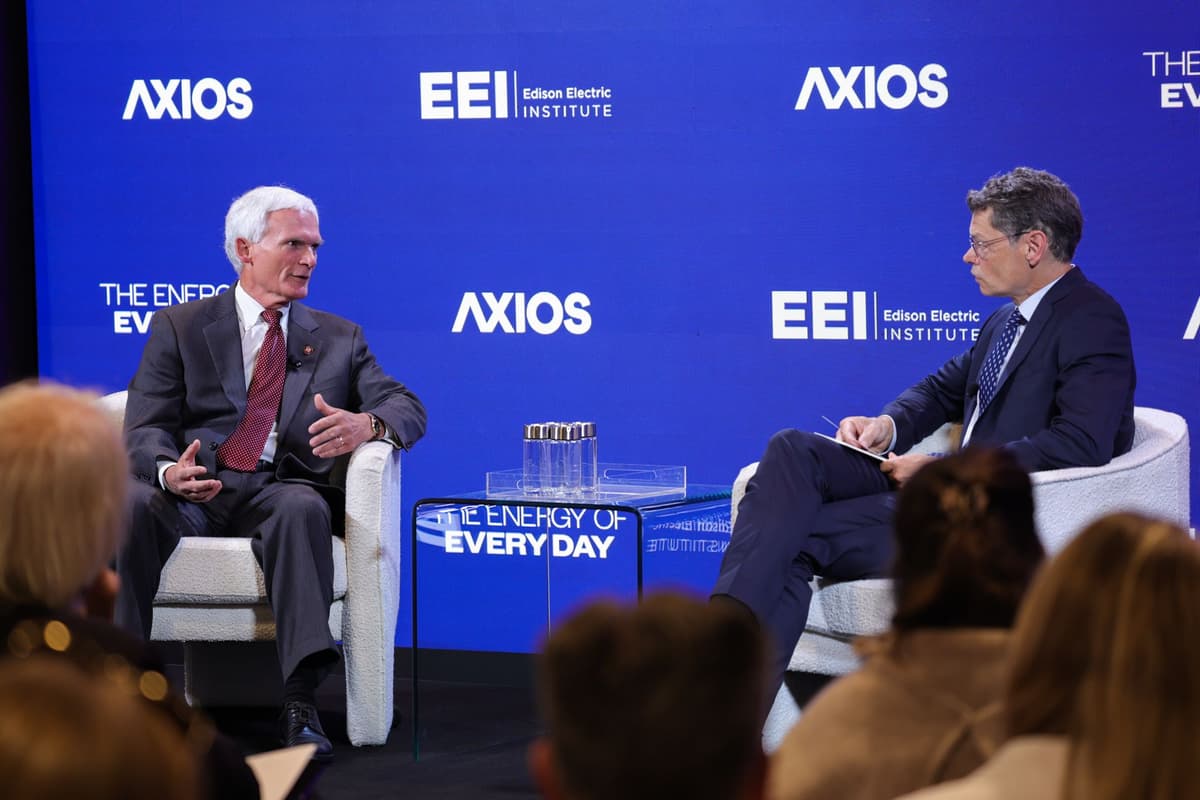
Chris Brose, president of defense technology firm Anduril, which develops autonomous and AI-driven military systems, framed the dilemma in stark terms. "We have to be as careful about it as humanly possible, but we cannot slow down because I think the consequences of falling behind or losing that advantage are arguably unlike anything that we've seen before," Brose said, according to Thiessen's reporting.
The comparison to Cold War nuclear competition is deliberate. During that era, the United States maintained technological parity with the Soviet Union through sustained investment and development. The current AI competition with China presents a similar dynamic, but with technology that will likely permeate civilian and military applications far more broadly than nuclear weapons ever did.
The cost of caution
Thiessen's central argument is that a nuclear-style freeze on AI development would be asymmetric in its effects. While American companies and researchers might comply with development restrictions, there is little reason to believe China would honor similar constraints. The result would be a unilateral slowdown that cedes ground in a critical technology race.
The piece acknowledges uncertainty about AI's trajectory—"No one knows yet what the fast-moving field of AI will bring"—but argues that strategic considerations must inform how the United States approaches AI governance and development timelines.
Why it matters
This framing shifts the AI safety debate from purely technical risk assessment to geopolitical strategy. For business and technology leaders, it suggests that calls for AI development pauses must be evaluated not just on safety grounds but on their competitive implications. Companies developing AI capabilities face pressure to balance responsible development with the reality that global competitors may not be constrained by the same considerations. The argument also implies that AI governance frameworks need to account for international dynamics, not just domestic safety concerns.
The commentary was first reported by Marc A. Thiessen in The Washington Post.
This is an original analysis by the Omega editorial team. Source reporting: AI Watch.
Want systems like this working for your business?
Book a Call