Abu Dhabi's TAMM app shows how AI runs an entire government
The UAE capital's AI-native platform handles everything from pothole reports to automatic bill payments, offering a glimpse of governance in 2026.
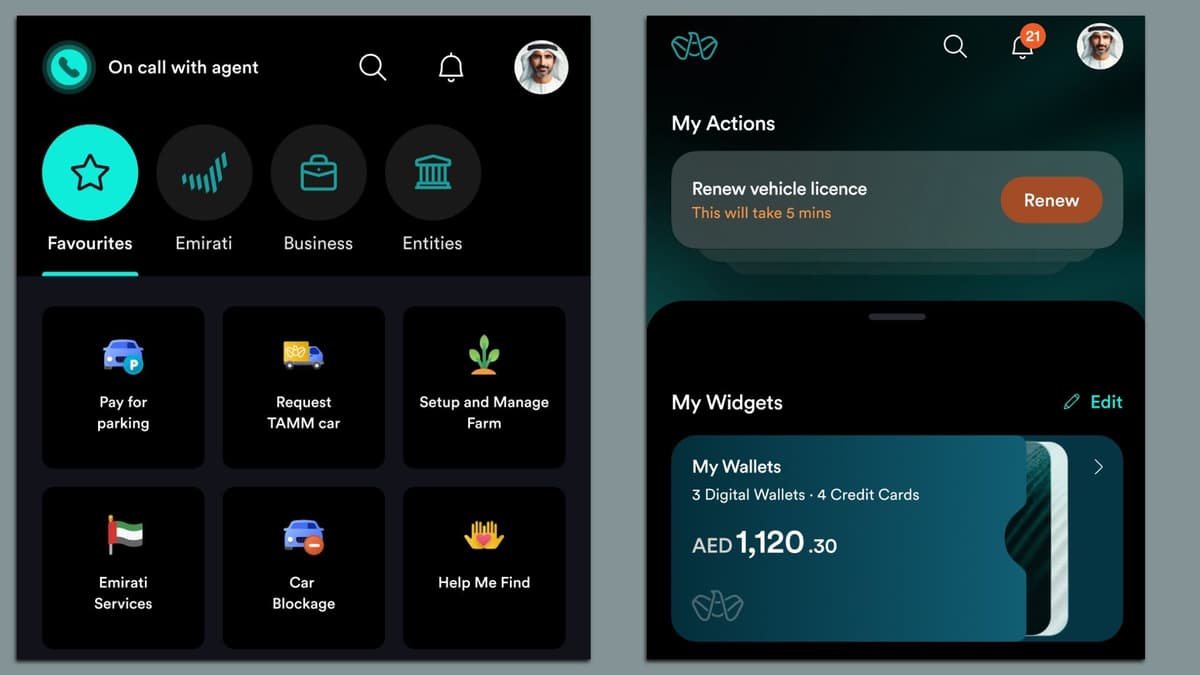
In Abu Dhabi, artificial intelligence handles routine government interactions that consume hours of citizens' time elsewhere. The emirate's TAMM app — Arabic for "Consider it done" — uses AI to process pothole reports, schedule medical appointments, and pay parking tickets without human intervention.
The platform's AutoGov feature goes further: it monitors when residents need to renew national IDs, health insurance, or vehicle registrations, then completes the paperwork and payments automatically. Near-universal adoption among Abu Dhabi residents has made the app central to daily life in the UAE capital.
Why it matters
The UAE's decade-long AI investment strategy demonstrates how concentrated political will and substantial capital can accelerate technology adoption at national scale. While the approach requires centralized control incompatible with democratic governance, it provides a working model of AI-integrated public services that other governments are studying. The country's position as a global business hub — and its willingness to work with both U.S. and China on AI development — makes its technological choices influential beyond its borders.
Billions backing a post-oil future
The UAE appointed the world's first AI minister in 2017 and opened Mohamed bin Zayed University of Artificial Intelligence two years later in Masdar City. These moves reflected what Ambassador Yousef Al Otaiba calls recognition that "data is destiny" — preparation that began before current AI capabilities existed.
"This has become part of our DNA," said Dr. Mohamed Al Askar, director general of TAMM, in interviews with Axios. "This is why I believe the UAE can be a haven for any entrepreneur who wants to test and experiment with AI."
The strategy aims to diversify an economy built on oil wealth. PwC projects AI could contribute 11% of the UAE's GDP by 2030, adding $320 billion to the Middle East economy.
How the system works
TAMM's "Snap & Report" feature lets residents photograph malfunctioning streetlights or other infrastructure problems. AI analyzes the image, routes it to the responsible agency, and tracks resolution. Critically, government entities cannot close service requests until citizens confirm completion.
The app also analyzes food photos to provide health grades and handles numerous automated transactions that would typically require forms, appointments, or phone calls.
Al Askar indicated additional features are in development but declined to specify details.
War tests AI ambitions
The ongoing conflict with Iran has disrupted the UAE's technology plans and raised security concerns for international visitors and investors. However, UAE leaders maintain their commitment to AI development remains unchanged.
The Wall Street Journal reported Tuesday that the Trump administration is expanding the UAE's access to advanced AI chips as recognition of the country's support during the Iran war, culminating "a yearslong push by the Gulf state to obtain American technology to diversify its economy."
The UAE's national AI strategy targets 2031 for establishing the country's reputation as a global AI destination that attracts top talent for experimental work.
Al Askar noted that government ministers from other countries regularly visit to study TAMM's implementation, though he acknowledged the system depends on centralized authority that enables "wholesale societal changes that couldn't be replicated in a democracy."
These details were first reported by Axios.
This is an original analysis by the Omega editorial team. Source reporting: AI Watch.
Want systems like this working for your business?
Book a Call