Abstract Launches AI Agents to Automate Legal Workflow Tasks
The regulatory monitoring startup now deploys custom agents that complete repetitive work inside tools teams already use, from drafting newsletters to filing documents.
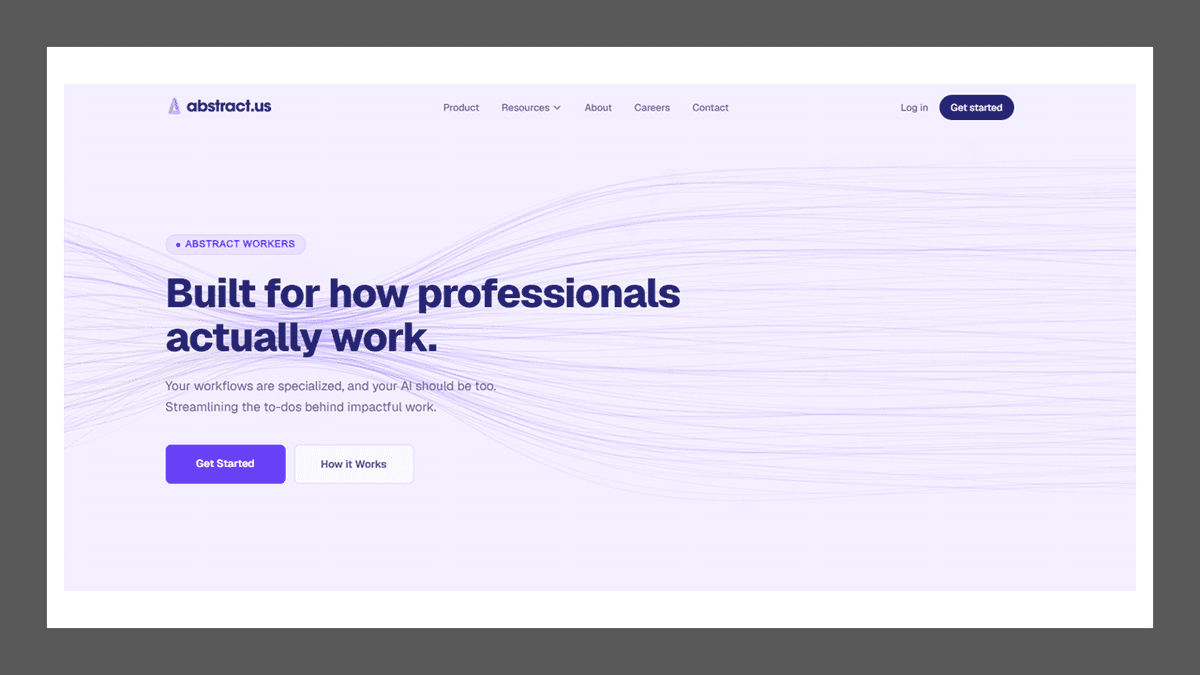
Abstract, a New York-based startup known for legislative and regulatory monitoring, has expanded beyond alerting law firms and corporate legal teams to new rules and bills. The company now deploys AI agents that complete the repetitive work those alerts trigger.
The service, called Abstract Workers, announced today, automates tasks like reading and prioritizing legislation, updating tracking spreadsheets, drafting client newsletters, preparing reports, and coordinating follow-up actions. Rather than requiring users to learn new software, the agents deliver finished work directly into the platforms legal and compliance professionals already use daily.
Why it matters
Most regulatory intelligence tools stop at the alert. Abstract is addressing the labor-intensive steps that follow—work that often falls to junior associates or paralegals. By automating document review, tracker maintenance, and client communications, the service could materially reduce billable hours spent on routine compliance tasks while allowing firms to scale monitoring without adding headcount.
How the agents work
Abstract handles the entire deployment process for customers, according to CEO and cofounder Pat Utz. The company consults with clients to configure, test, and optimize each agent, including cost analysis. This approach eliminates the need for legal teams to build automations themselves or integrate yet another dashboard into their workflow.
The agents connect to common business tools including Gmail, Google Workspace, Microsoft 365, SharePoint, Slack, Adobe, Clio, QuickBooks, DocuSign, and OneDrive. Abstract describes the agents as "deterministic," suggesting they follow defined rules rather than making probabilistic decisions.
Production examples include agents that scan legislation across all 50 states and log findings to Gmail-based trackers, draft branded email newsletters using Abstract's legislative data, generate daily PDF reports on agency actions and hearings, and send Slack alerts about trending social media posts relevant to client priorities.
Beyond regulatory monitoring
Several deployed agents extend beyond policy intelligence into general legal operations. One agent pulls matter and billing data from Clio and auto-files client emails to the correct case. Another monitors accounts receivable in QuickBooks, sends payment reminders, and escalates overdue invoices. A third detects executed documents and files them by naming convention across Outlook, DocuSign, and OneDrive. Another redlines documents against custom rules in cloud storage platforms.
This broader scope positions Abstract Workers as workflow automation for legal and back-office functions, not just an extension of its original legislative tracking mission.
Company background
Abstract began in 2020 as a research project at Loyola Marymount University focused on making government information more accessible. The venture-backed company now operates teams in New York and Los Angeles. In January 2025, it closed a $5 million seed round. Its customer base includes Fortune 500 companies, Am Law 200 firms, and public policy organizations, according to the company.
Abstract differentiates itself from legacy bill-tracking platforms through proprietary regulatory and legislative data infrastructure that provides context for agent operations. The company says it is launching with a library of workflows designed by experts in government affairs, legal, compliance, lobbying, accounting, and finance.
Pricing is based on complexity, needs, and usage, with options for both individuals and enterprise teams.
These details were first reported by LawNext.
This is an original analysis by the Omega editorial team. Source reporting: Automation Watch.
Want systems like this working for your business?
Book a Call