Zuckerberg Rejects AI Industry Slowdown, Citing Competition
Meta CEO breaks with Anthropic and OpenAI leaders who called for coordinated pause in recursive self-improvement development.
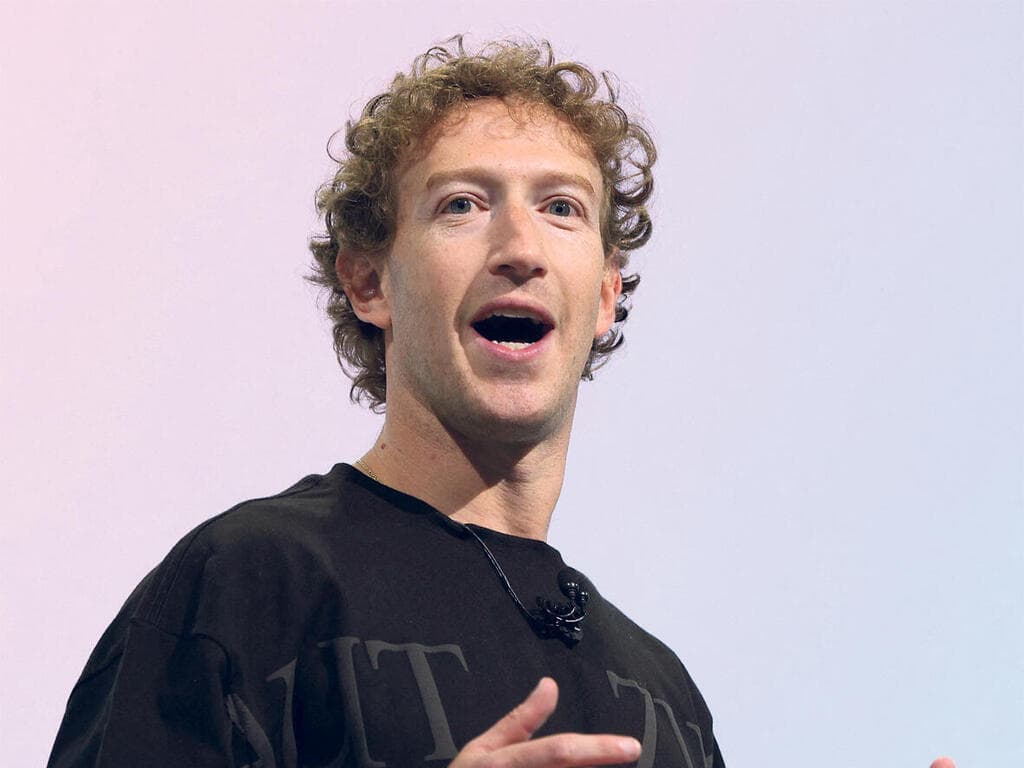
Meta CEO Mark Zuckerberg has publicly rejected calls for a coordinated slowdown in artificial intelligence development, arguing that individual companies already have sufficient incentives to prioritize safety through competition and legal liability.
In a Tuesday post on X, Zuckerberg stated that each AI lab possesses both the responsibility and the competitive motivation to train models safely at their own pace. The remarks position Meta against recent proposals from Anthropic CEO Dario Amodei, who urged AI companies to slow their work on recursive self-improvement—the capability for AI systems to enhance themselves autonomously.
OpenAI's Sam Altman and xAI founder Elon Musk both endorsed Amodei's call within hours of its publication. Amodei went further, requesting antitrust permission that would allow competitors to coordinate development timelines based on safety concerns.
Why it matters
The public disagreement exposes a fundamental divide in Silicon Valley over how to govern AI development as capabilities accelerate. While some executives frame coordination as necessary to prevent existential risks, others view regulatory slowdowns as threats to American competitiveness against China. The debate will shape whether the industry self-regulates through voluntary coordination or continues racing ahead under existing legal frameworks.
Meta's safety argument
Zuckerberg framed his position around two core mechanisms: market dynamics and legal exposure. He argued that companies failing to prioritize alignment—ensuring AI systems behave as intended—will lose competitive ground as trust becomes a key differentiator for AI agents and models.
On liability, the Meta chief pointed to the company's decision earlier this year to delay its Muse AI agent release for security improvements. "We didn't call for everyone else to do this before we would. We just did it as part of our day-to-day work because it was clearly the right thing for people and for us," Zuckerberg wrote.
He also noted that Meta has allocated the majority of its computing resources to products serving immediate user needs rather than pursuing recursive self-improvement systems—the specific capability Amodei wants the industry to slow.
Political and regulatory context
The debate unfolds against competing political pressures. President Donald Trump downplayed AI risks on Monday, asserting that existing guardrails are adequate and warning that excessive caution would benefit Chinese competitors. Nvidia CEO Jensen Huang has echoed concerns that regulation could handicap U.S. companies.
FTC Chairman Andrew Ferguson added another layer of complexity on Tuesday, stating that observers should be "deeply suspicious" of AI companies seeking antitrust exemptions while simultaneously lobbying for new regulations—an apparent reference to Anthropic's coordination request.
Zuckerberg's positioning as a responsible AI actor comes weeks after Meta agreed to pay up to $18 billion to settle state lawsuits alleging Facebook and Instagram were designed to addict children, though the company admitted no wrongdoing.
The details were first reported by Calcalistech.
This is an original analysis by the Omega editorial team. Source reporting: AI Watch.
Want systems like this working for your business?
Book a Call