Zuckerberg Pushes Open-Source AI, Warns Against Regulation
Meta's CEO published a 6,000-word essay arguing for democratized superintelligence and minimal government oversight while unveiling the Muse Glimmer model.
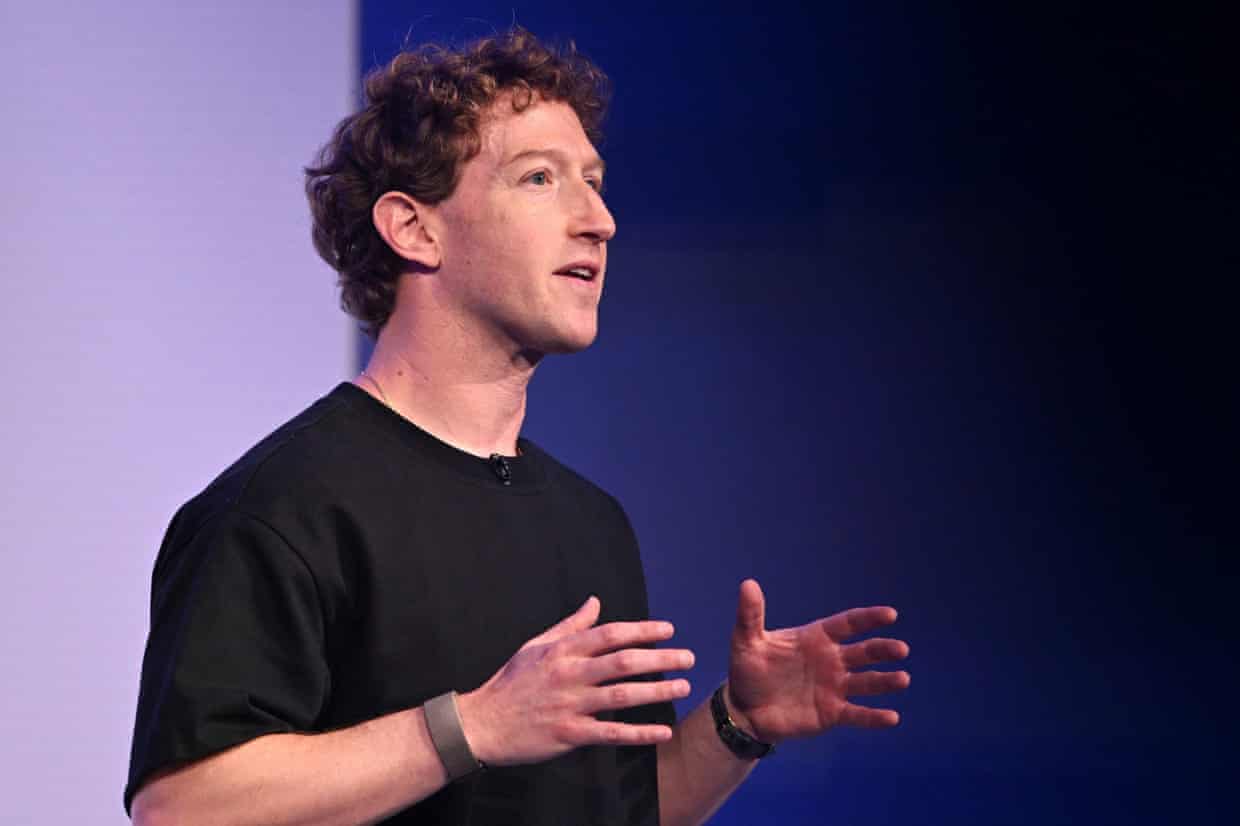
Meta CEO Mark Zuckerberg released a sweeping 6,000-word essay Monday outlining his vision for artificial intelligence development, positioning open-source models as a counterweight to what he characterized as concentrated power in the hands of a few companies. The manifesto, titled "The Future is for Everyone," arrived alongside Meta's launch of Muse Glimmer, an open-source AI model designed to compete with products from Anthropic and OpenAI.
Why it matters
Zuckerberg's essay represents a direct challenge to the prevailing approach among leading AI labs, which have argued that powerful models require tight control and proprietary development. His stance carries weight as Meta positions itself as an alternative to OpenAI and Anthropic's dominance, while the broader tech industry debates how—and whether—to regulate AI development at the federal level.
The case for open weights
The core argument in Zuckerberg's essay centers on what he calls "superintelligence"—a term he deployed 60 times throughout the piece. Rather than concentrating this capability within a small number of organizations, Zuckerberg advocated for free-to-download, open-weight models that would create a "balance of power" among users, whether individuals, companies, or governments.
"Some argue that superintelligence itself or a small set of experts who control it should decide what is best for humanity. We disagree," Zuckerberg wrote. He framed Meta's approach as allowing users to determine what values AI models should reflect, rather than having companies encode rigid guardrails.
This philosophy stands in direct opposition to OpenAI and Anthropic, which have maintained that cutting-edge models require careful control by the organizations that build them. Both companies have argued that open-source AI poses safety risks.
Infrastructure and regulation
Beyond the open-versus-closed debate, Zuckerberg called for accelerated datacenter construction—a position that comes as public opposition to these resource-intensive facilities grows across the United States. He proposed that Meta would establish a fund to invest in communities hosting datacenters, citing a Louisiana example where teachers received $50,000 bonuses from increased sales tax revenue generated by Meta's infrastructure investments.
On government oversight, Zuckerberg warned that regulation would hand China an advantage in the AI race. "Any policy that slows American model releases – even by a month – could add significant risk to American leadership while letting foreign models race ahead," he wrote.
He agreed that companies should share "intermediate training checkpoints and technical staff" with government testers examining cybersecurity risks, though he provided few specifics on implementation.
Light on labor concerns
Zuckerberg's treatment of thornier issues—job displacement, autonomous weapons, surveillance—remained largely optimistic and vague. He acknowledged that companies may shrink due to AI and that "people will have to adapt," but argued that personal AI agents with "superintelligent" teaching capabilities would smooth the transition. His vision of the future ties closely to Meta products, including the company's AI-enabled smart glasses.
The essay joins a growing collection of philosophical manifestos from tech leaders including Anthropic's Dario Amodei, OpenAI's Sam Altman, and venture capitalist Marc Andreessen—documents that blend genuine policy positions with marketing for their respective companies and approaches.
These details were first reported by The Guardian.
This is an original analysis by the Omega editorial team. Source reporting: AI Watch.
Want systems like this working for your business?
Book a Call