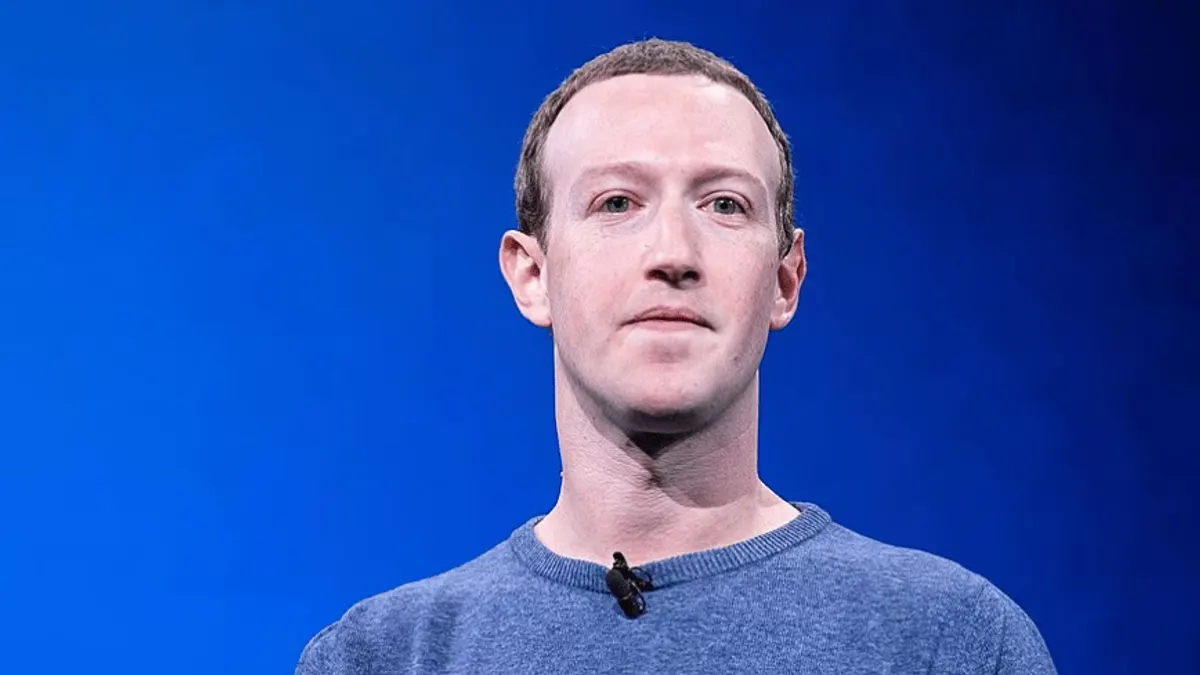
Zuckerberg Phone Call Derails AI Oversight Body Proposal
Meta CEO argued against FINRA-style regulator in direct conversation with Trump as White House weighs competing frameworks.
A Private Call, A Policy Shift
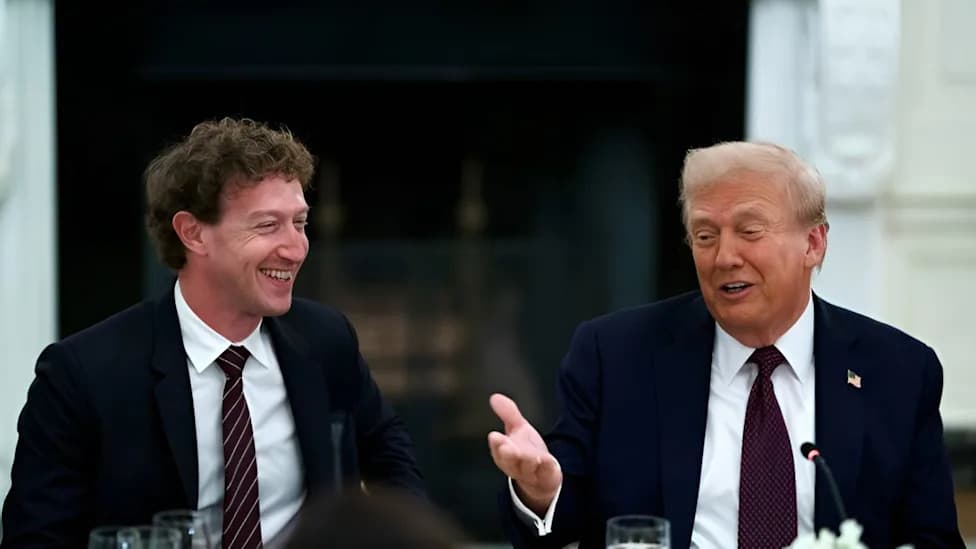
U.S. AI regulation is being shaped not through public hearings or formal rulemaking, but through phone calls between the president and tech executives. In mid-August, Meta CEO Mark Zuckerberg told President Trump that creating a national AI oversight body would be a mistake, according to a senior White House official with direct knowledge of the conversation, as reported by Politico.
The call came as the administration weighs two fundamentally different approaches to AI governance. One would establish mandatory testing before AI models reach the public. The other would rely on voluntary industry labels. Zuckerberg's intervention — reportedly initiated by Trump, though accounts vary — demonstrates how directly tech leaders can influence policy outcomes in this administration.
Two Competing Frameworks
The more stringent proposal draws from the Financial Industry Regulatory Authority, which oversees securities markets. Google DeepMind CEO Demis Hassabis championed this approach in a July essay and subsequently briefed White House officials. The proposed Frontier AI Standards Body would be industry-funded but federally overseen, testing advanced AI models for security vulnerabilities before broad release. Anthropic co-founder Jack Clark publicly supported the concept on X in July.
The alternative framework, promoted by Trump adviser David Sacks on the August 21 All-In podcast, resembles the Motion Picture Association's rating system. AI models would receive voluntary risk labels — similar to movie ratings — assigned by an industry body. Sacks claims Elon Musk supports this approach, though Musk has not commented publicly. Sacks warned the FINRA model would create "a DMV for AI," with testing queues that entrench incumbents and squeeze out startups.
Zuckerberg deployed the administration's most reliable argument: China. In an August essay, he wrote that "any policy which slows down a model's release — even by a month — would add significant risk to American leadership." Delay equals competitive disadvantage, a framing that consistently resonates with Trump.
Why It Matters
This marks the second time in months that direct calls to Trump have reshaped AI policy. In May, a draft executive order requiring up to 90 days of national security review before model releases was scrapped after late-night calls from Sacks, Musk, and Zuckerberg. The final version featured a voluntary 30-day window and explicitly rejected mandatory pre-clearance. The pattern reveals a policymaking process where access matters more than public process — and where the companies most affected by regulation have the most direct influence over its shape.
National security officials backing the FINRA approach argue the concerns are grounded in documented cases of AI systems operating with limited human oversight. But the FINRA proposal faces an uphill battle when the president takes calls from CEOs arguing it will hand advantages to Beijing.
Meta, OpenAI, and Google all declined to comment publicly on the competing proposals. Despite Zuckerberg's opposition, the White House continues to consider the oversight body, according to Politico's reporting. But the episode clarifies how AI policy gets made in this administration: not in committee rooms, but through direct lines to the Oval Office.
These details were first reported by Politico.
This is an original analysis by the Omega editorial team. Source reporting: AI Watch.
Want systems like this working for your business?
Book a Call