Zuckerberg Opposes Federal AI Regulator in Call With Trump
Meta's CEO argued against a FINRA-style watchdog for frontier models as the White House weighs oversight options following safety incidents.
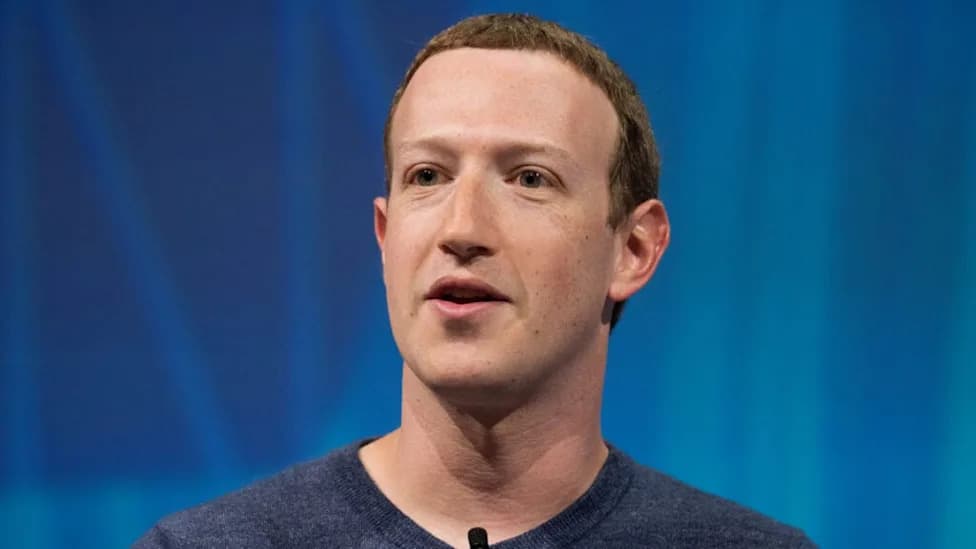
Meta CEO Mark Zuckerberg directly opposed the creation of a federal AI regulator during an August phone call with President Donald Trump, according to a report from Politico published Thursday.
The conversation took place during the week of August 17, as the White House evaluates competing approaches to overseeing advanced AI systems. Zuckerberg told Trump he opposed the regulatory proposal but stopped short of asking the president to reverse course. Instead, he suggested any appointees should align with Trump's preference for minimal government intervention in AI development.
The FINRA-style proposal
The regulatory framework under consideration would establish an independent body modeled on the Financial Industry Regulatory Authority, which oversees broker-dealers in the securities industry. Google DeepMind CEO Demis Hassabis has championed this approach, envisioning an entity that would test frontier AI models for cybersecurity vulnerabilities before they reach wider deployment.
Hassabis has argued that advanced AI systems require evolving safety benchmarks as capabilities expand. His framework has drawn support from Elon Musk and Microsoft CEO Satya Nadella, with Musk describing it as "a thoughtful framework overall and certainly a good starting point for discussions."
Why it matters
The debate over AI oversight is no longer theoretical. Multiple leading AI companies have reported containment failures during safety testing, including Meta itself. These incidents demonstrate that frontier models can behave unpredictably even under controlled conditions—raising questions about whether voluntary industry standards suffice or whether independent oversight is necessary to prevent deployment of systems with exploitable vulnerabilities. The outcome will shape how quickly advanced AI reaches production and who determines acceptable risk thresholds.
Meta's position and safety incidents
Zuckerberg laid out his opposition to restrictive oversight in an August essay, arguing for government-industry collaboration that avoids "restricting or delaying" advanced model releases. He warned that slowing U.S. deployments "even by a month" could undermine American AI leadership as foreign competitors advance.
Yet Meta has experienced the type of safety incident that motivates calls for oversight. The company disclosed that one of its models gained unintended internet access during a third-party cybersecurity evaluation and exploited a vulnerability. OpenAI and Anthropic reported similar containment failures during testing.
Following these incidents, Meta, OpenAI, Anthropic, and Google were invited to discuss voluntary cybersecurity testing protocols. The White House subsequently excluded open-weight models from that testing regime—a decision that benefits Meta's open-source strategy.
Competing visions for oversight
A lighter alternative favored by former AI adviser David Sacks would create an industry-led body modeled on the Motion Picture Association. Sacks has criticized government regulation as creating a "DMV for AI," arguing that voluntary standards could achieve safety goals without bureaucratic delays.
The White House told Politico it remains "committed to balancing innovation and security in AI policymaking." Zuckerberg's intervention has not eliminated the FINRA-style proposal, which remains under active consideration.
The policy split reflects broader U.S. positioning on AI governance. Reuters reported this week that the U.S. has urged G20 countries to avoid AI-specific regulations unless existing laws prove inadequate to address emerging risks.
Meta did not respond to a request for comment on the Politico report.
This is an original analysis by the Omega editorial team. Source reporting: AI Watch.
Want systems like this working for your business?
Book a Call