Xi Jinping Pushes Global AI Cooperation as U.S. Curbs Bite
China's president calls for multilateral AI governance and announces training programs for developing nations amid escalating tech competition.
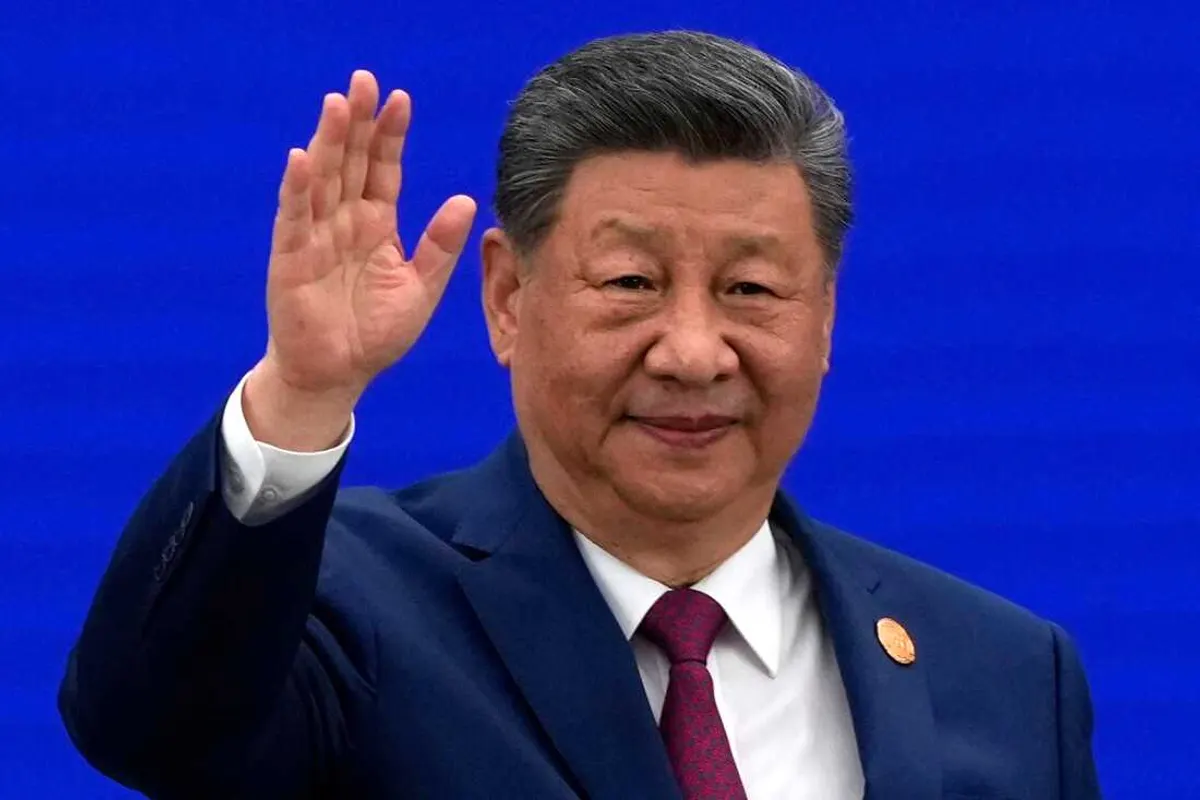
China positions itself as AI cooperation champion
Chinese President Xi Jinping used a major technology conference in Shanghai to advocate for multilateral approaches to artificial intelligence development and governance, framing the technology as too important to be controlled by any single nation. His remarks come as American export restrictions continue limiting China's access to cutting-edge semiconductor and AI technologies.
Speaking at China's annual World Artificial Intelligence Conference on Friday, Xi characterized AI advancement as requiring "a symphony of global cooperation" rather than unilateral action. The event drew leaders from Kazakhstan, Cambodia, and Thailand, along with U.N. Secretary-General António Guterres and representatives from more than 1,100 companies.
Why it matters
Xi's push for a China-led alternative framework for AI governance signals Beijing's strategy to build influence in developing markets while U.S. export controls force it to pursue technological self-sufficiency. The competition over AI standards and access will shape which countries benefit from the technology and whose values guide its deployment globally.
Concrete commitments target developing world
Xi announced specific initiatives aimed at expanding China's AI footprint in emerging economies. Over the next five years, China will provide 5,000 AI training opportunities to developing countries and grant 30 nations access to a Chinese-developed meteorological AI system for early warning capabilities.
The president outlined plans to deepen AI cooperation with the Association of Southeast Asian Nations, the League of Arab States, the African Union, the Community of Latin American and Caribbean States, the Shanghai Cooperation Organization, and BRICS countries.
One day before Xi's speech, 29 countries including Pakistan, Russia, and Kazakhstan signed an agreement establishing the World Artificial Intelligence Cooperation Organization, an intergovernmental body headquartered in Shanghai focused on global AI governance, according to state media reports.
Technology competition intensifies
Xi repeated China's longstanding objection to what he termed the "overstretching" of national security concerns in technology policy, a clear reference to U.S.-led restrictions. "We should together oppose the practice of overstretching the concept of national security in the field of artificial intelligence, and of placing one's own security above that of other countries," he said.
American export controls have blocked China from accessing some of the world's most advanced chips and AI systems, accelerating Beijing's drive to develop domestic alternatives. Technology analysts increasingly view China as an AI innovator rather than merely a follower, with the country's five-year plan through 2030 prioritizing advances in AI and other frontier technologies.
Chinese open-source AI models like DeepSeek have gained traction as more affordable alternatives to largely closed-source U.S. systems, particularly in developing markets. At the conference, tech giant Huawei showcased its Atlas 950 SuperPoD AI computing system.
These details were first reported by NPR.
This is an original analysis by the Omega editorial team. Source reporting: AI Watch.
Want systems like this working for your business?
Book a Call
