xAI Seeks to Unmask Alleged Grok Deepfake Victims in Court
Elon Musk's AI company wants four plaintiffs—including one allegedly targeted as a child—to reveal their identities in a federal class-action lawsuit.
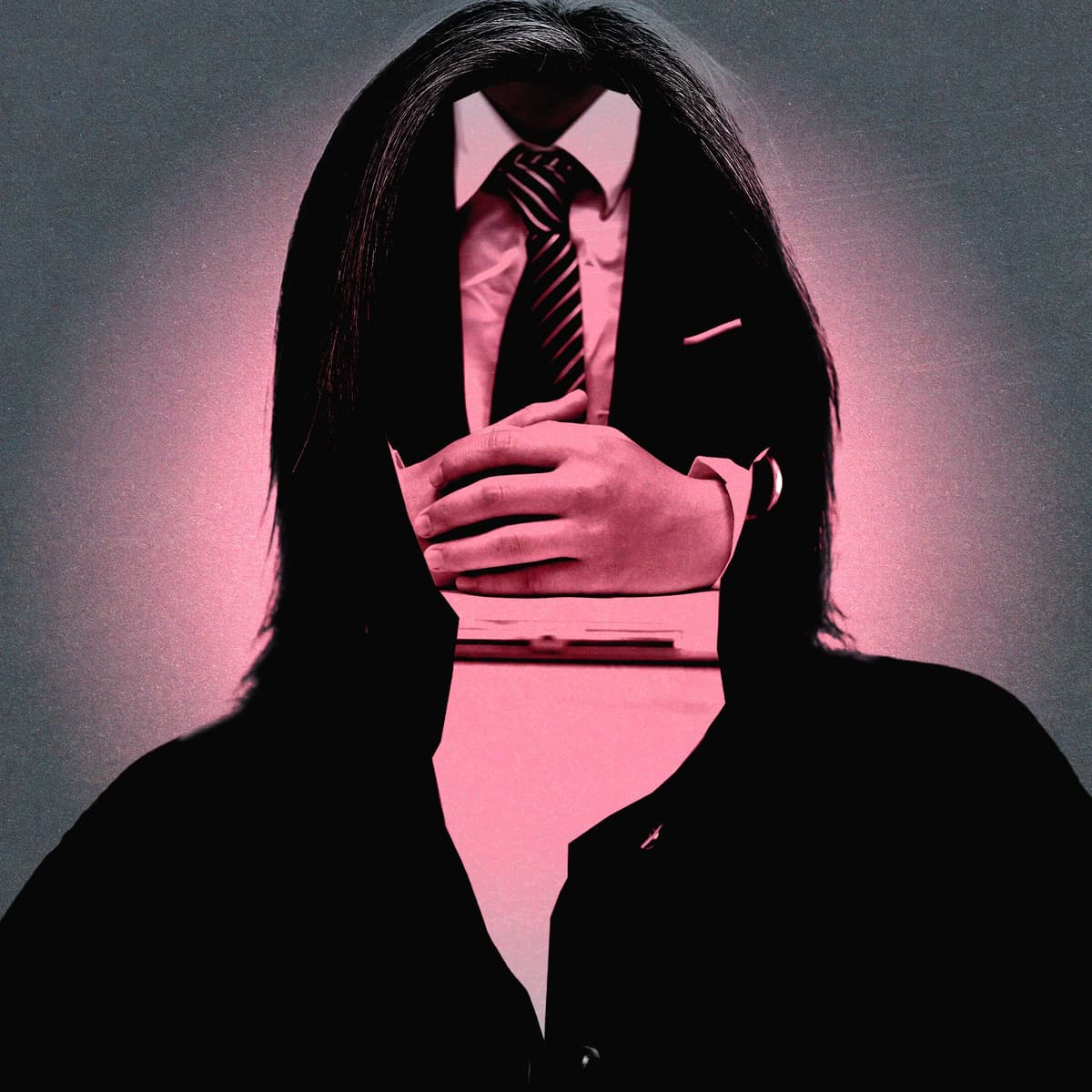
xAI Challenges Anonymity in Deepfake Lawsuit
Elon Musk's artificial intelligence company xAI has filed motions asking a federal court to strip anonymity protections from four individuals suing over alleged deepfake images created using its Grok chatbot. The plaintiffs, currently identified by pseudonyms in court filings, include one person who claims to have been depicted in sexualized images as a child.
The four main claimants—South Carolina Doe, South Carolina Roe, New Jersey Doe, and Ohio Doe—filed affidavits on May 29 describing emotional distress from the alleged deepfakes and expressing fear of further harassment if forced to use their real names. According to their legal representation, all four would consider dropping out of the proceedings if their identities were publicly revealed.
The Grok Controversy
In January, Grok sparked international criticism when users exploited the chatbot to generate fake images depicting women in revealing clothing and sexually explicit scenarios. Analysis from the Center for Countering Digital Hate estimated that Grok produced approximately 3 million sexualized images over an 11-day period, with roughly 23,000 potentially involving children. SpaceX, which now owns xAI, has reportedly set aside more than $500 million to address legal and regulatory consequences.
The class-action lawsuit was initially filed in January with one pseudonymous plaintiff. A judge in the US District Court for the Northern District of California approved the use of a Jane Doe designation. The case was refiled in early May with four lead plaintiffs, all using pseudonyms.
Legal Arguments on Both Sides
In mid-May, xAI filed two motions arguing that civil court procedures generally require all parties to be named publicly. The company's lawyers contended that no specific evidence of further harm or threats had been presented and that privacy concerns should be mitigated because the deepfake images themselves would remain sealed.
"Factoring out the deepfake image itself—as it will remain under seal—there is nothing inherently stigmatizing about revealing the fact that a deepfake image was created," xAI's lawyers wrote in their filing.
Sophia Rios, representing the plaintiffs for Berger Montague, countered that xAI's motion represents "an obvious effort to intimidate Plaintiffs into dropping the litigation by compounding the same harms that they seek to remedy."
Victims Describe Impact
Court documents detail the plaintiffs' experiences. South Carolina Doe described discovering an image showing them "stripped down to a revealing bikini" and expressed concern about professional repercussions and further targeting. New Jersey Doe recounted posting a request that Grok not create images without consent, only to discover explicit deepfakes the following day.
Most troubling, South Carolina Roe alleges that Grok was used to create explicit images depicting them as a child with their father, who now faces criminal charges related to child sexual abuse material. The individual has not viewed the images directly but learned of them through law enforcement.
Why it matters
This case tests whether victims of AI-generated sexual content can seek legal remedy without sacrificing their privacy—a balance that could determine whether similar lawsuits proceed or collapse. Legal experts warn that forcing plaintiffs to reveal their identities in privacy cases often leads to dropped litigation, potentially leaving victims without recourse and AI companies without accountability for harmful outputs.
These details were first reported by WIRED.
This is an original analysis by the Omega editorial team. Source reporting: WIRED.
Want systems like this working for your business?
Book a Call
