Why Generic AP Software Costs Grocers $37K Annually
Direct store delivery creates pricing blind spots that office-oriented automation platforms weren't designed to catch.
The receiving dock problem
Grocery stores process thousands of invoices monthly, yet most rely on accounts payable software designed for corporate offices rather than the unique demands of direct store delivery operations. The result is a costly gap: industry data shows grocers overpay vendors by an average of $37,000 per year, largely due to pricing discrepancies that slip through during the brief handoff at the back door.
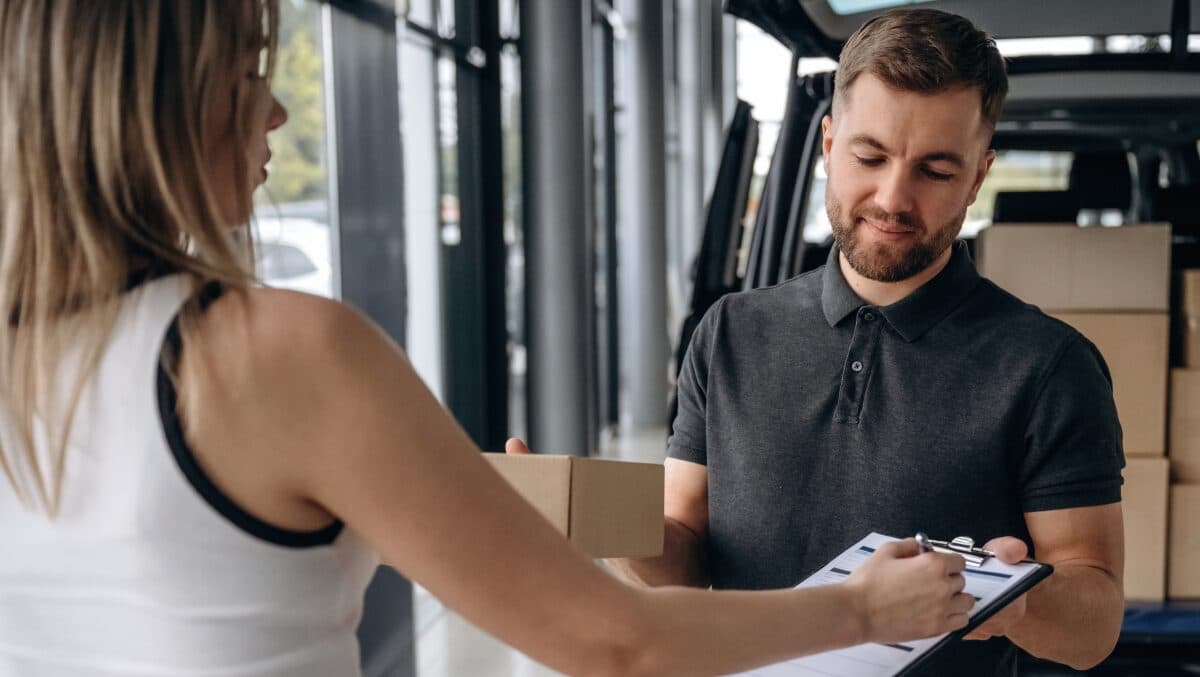
When a DSD driver delivers beverages, bread, or dairy products, they drop the order and invoice before anyone verifies pricing. The receiver counts packages but lacks tools to audit prices in real time. By the time accounting reviews the invoice, the product sits on shelves and the vendor has moved on.
Why it matters
With grocery margins typically between 1 and 3 percent, a 50-cent price increase across 200 SKUs can erode profitability faster than efficiency gains from faster invoice processing. The problem isn't workflow speed—it's catching pricing errors before payment, when correction is still possible.
What standard automation misses
Most AP platforms prioritize optical character recognition accuracy, approval routing, and ERP integration. These features accelerate invoice processing but don't protect against the core financial risk grocers face: paying incorrect prices for products already stocked.
According to recent research, 70 percent of grocers handle at least 5,000 invoices monthly. Yet the automation tools marketed to them can't flag when a supplier quietly adjusts case pricing across multiple SKUs. Office-oriented systems assume invoice processing is the hardest challenge, not price validation at point of receipt.
The enterprise solution trap
Independent and regional grocers are often advised to adopt AP systems used by large chains. This guidance overlooks fundamental operational differences. Enterprise grocers have corporate AP teams, dedicated procurement staff, centralized cost files, and leverage to dispute discrepancies after processing.
An independent operator might have one person managing inventory, store operations, and AP across multiple locations. That individual doesn't have bandwidth to chase pricing errors after stocking. They need technology that connects receiving and accounting into a single workflow, identifying discrepancies when resolution is still feasible.
Questions that reveal capability
Before investing in AP automation, grocers should ask whether platforms can validate line-item prices before approval, compare invoices against what was actually received through SMS and POS integrations, flag DSD discrepancies in real time, and enable back-door receivers to operate the system with minimal training.
The distinction matters: some software moves invoices faster, while purpose-built platforms protect profitability by catching price discrepancies before payment approval. In an industry where profits are measured in pennies per item, that difference compounds quickly across thousands of monthly transactions.
These findings were detailed in a report published by The Shelby Report.
This is an original analysis by the Omega editorial team. Source reporting: Automation Watch.
Want systems like this working for your business?
Book a Call