Why 75% of Unemployed Workers Don't Apply for Benefits
As AI-driven layoffs mount, experts warn the unemployment insurance system isn't prepared for widespread job displacement.
The unemployment benefits gap
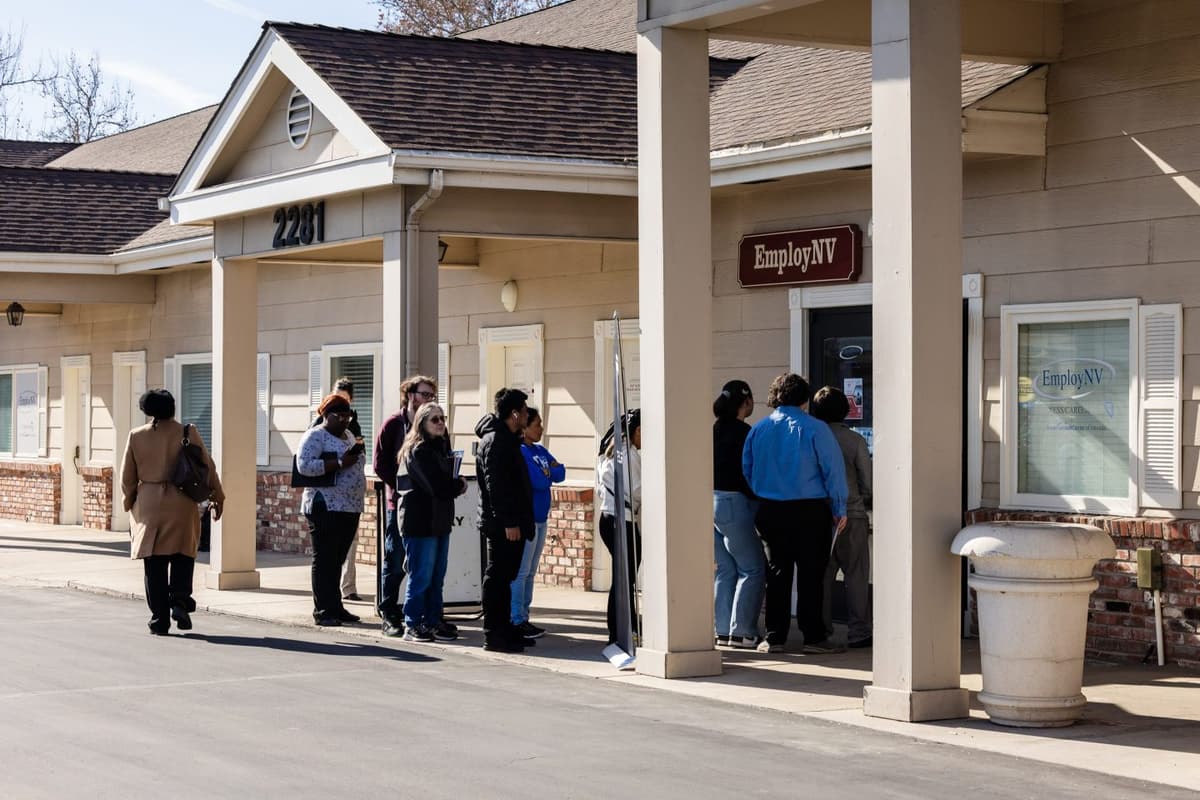
Nearly 120,000 tech workers lost their jobs in the past year as companies pursued AI-driven productivity gains. Yet as these layoffs accelerate, a striking reality emerges: roughly 75% of unemployed people don't even apply for unemployment insurance benefits, according to Bureau of Labor Statistics data from 2022 that experts say remains accurate today.
The disconnect comes at a critical moment. While OpenAI CEO Sam Altman and Anthropic CEO Dario Amodei have recently moderated their predictions about AI's impact on white-collar work, Wall Street and many Silicon Valley leaders continue forecasting fundamental changes to employment. Amodei has specifically called on government to prepare for high unemployment scenarios.
Why workers skip unemployment benefits
The primary barrier is confusion about eligibility. A 2023 BLS survey found that 55% of non-applicants believed they didn't qualify. Common misconceptions include thinking any voluntary departure disqualifies you, when in fact leaving due to harassment or workplace law violations may preserve eligibility depending on state rules.
Another 17% expected to find work quickly, while 10% either didn't need the money, held negative views about benefits, were unaware of the program, or encountered application problems.
Even among those who do apply, only about 55% receive benefits. The system's complexity stems from its structure: each state and territory maintains separate rules governing eligibility, benefit amounts, and duration.
Structural barriers compound the problem
Alexander Hertel-Fernandez, a Columbia University professor of government who served in the Biden administration's Department of Labor, told Fortune that the application process itself creates obstacles. Roughly a quarter of applicants face employer challenges to their claims—employers have financial incentive to contest applications since successful claims raise their state unemployment taxes.
Workers with higher formal education and earnings apply at much higher rates than others. White workers are more likely to both apply and receive benefits compared to workers of color, who are less likely to believe they qualify, according to Hertel-Fernandez's research with the National Employment Law Center.
The decline of labor unions has removed a key support system. Union membership fell to a historic low of 9.9% in 2024, and union members are twice as likely to apply for benefits because unions help navigate the process.
An outdated system faces new challenges
The unemployment insurance framework hasn't been fundamentally updated since its creation as part of the New Deal, and the federal taxes supporting it haven't changed since the 1980s. Benefits have eroded over time: some states now offer just 12 weeks of coverage instead of the historical 26, and wage replacement has fallen from the original 50% goal to 30% or less in many states.
Rachael Kohl, an assistant professor at Wayne State University Law School who previously directed the Workers' Rights Clinic at the University of Michigan Law School, noted that the system faces stress with every recession or economic downturn. During the pandemic, unemployment insurance supported one in six U.S. adults and kept at least 4.7 million people out of poverty, though many states experienced severe payout delays.
Why it matters
As AI-driven workforce changes accelerate, the unemployment insurance system faces a fundamental mismatch. The current structure assumes workers need temporary support while finding similar jobs, not extended periods for retraining or industry transitions. Hertel-Fernandez argues wholesale reform is needed to simplify applications, expand eligibility for workers with limited labor market experience, and prepare for potential widespread, long-term unemployment scenarios that AI displacement might create.
These details were first reported by Fortune.
This is an original analysis by the Omega editorial team. Source reporting: AI Watch.
Want systems like this working for your business?
Book a Call