White House Takes Control of AI Model Access Approvals
Trump administration now dictates which entities can access frontier models from Anthropic and OpenAI, marking a shift from company-led distribution.
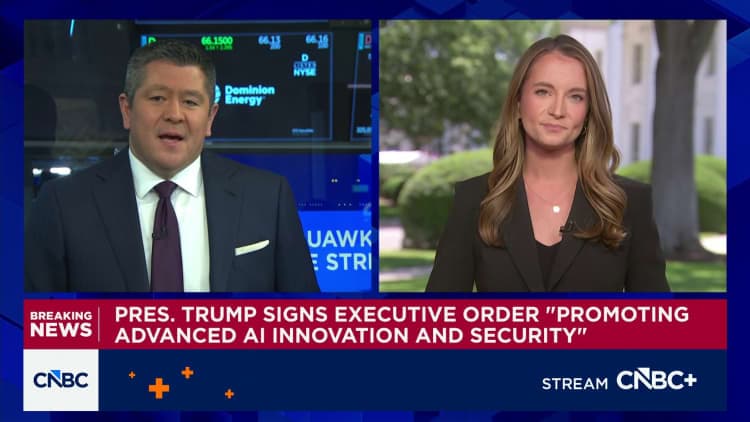
The Trump administration has moved to centralize control over which companies and agencies can access the most advanced AI models from leading American labs, according to sources who spoke with CNBC.
The shift represents a fundamental change in how frontier AI systems reach the market. Previously, companies like Anthropic and OpenAI independently determined distribution for their most powerful models, typically granting access to major enterprise customers and select partners. Now, the government is positioning itself as gatekeeper for these decisions.
Government Denies Direct Approval Role
A White House official disputed the characterization, telling CNBC that the administration does not provide approvals for private company AI releases. The official emphasized that any government testing or engagement remains "voluntary" and that "decisions on timing and scope of releases rest entirely with the companies."
However, recent actions suggest a more hands-on approach. Last month, the administration blocked Anthropic's Claude Mythos 5 and Fable 5 models over national security concerns, only reinstating access after weeks of negotiations. OpenAI similarly announced it would restrict new models to "trusted partners" in response to government requests.
New Clearinghouse Program
This week, the administration launched "Gold Eagle," a program designed to collaborate with private sector partners on identifying and addressing cyber vulnerabilities in AI systems. According to a source familiar with the initiative, this clearinghouse would place the White House in charge of approving which companies can access new AI models.
The move casts uncertainty over existing company-led distribution programs. Anthropic's Project Glasswing, which shared its Mythos cybersecurity model with select partners, and OpenAI's Daybreak consortium for its own security-focused model may now require explicit government approval for partner participation.
China Competition Intensifies Debate
The regulatory tightening comes as Chinese AI companies accelerate development. Moonshot AI unveiled its Kimi K3 model last Friday, matching performance of Fable and GPT-5.6 in several areas and surpassing U.S. models in at least one independent benchmark.
David Sacks, former White House AI czar and Craft Ventures founder, called the Chinese progress "concerning," warning that restrictive oversight could cost America its AI leadership. "This is how you lose the AI race," he wrote. "The rest of the world won't play by our rules if we bog ourselves down."
Why it matters
The tension between national security and innovation velocity will define American AI competitiveness. While sophisticated models pose genuine cybersecurity risks, heavy-handed distribution controls could slow deployment of beneficial applications and push international customers toward less restricted alternatives—including those from China. The administration's approach tests whether centralized oversight can protect critical infrastructure without creating the bureaucratic friction that advantages more permissive competitors.
These details were first reported by CNBC.
This is an original analysis by the Omega editorial team. Source reporting: AI Watch.
Want systems like this working for your business?
Book a Call
