White House AI Testing Framework Remains Secret Months After Finalization
The voluntary review process for frontier models lacks transparency as Anthropic employees warn of existential risks.
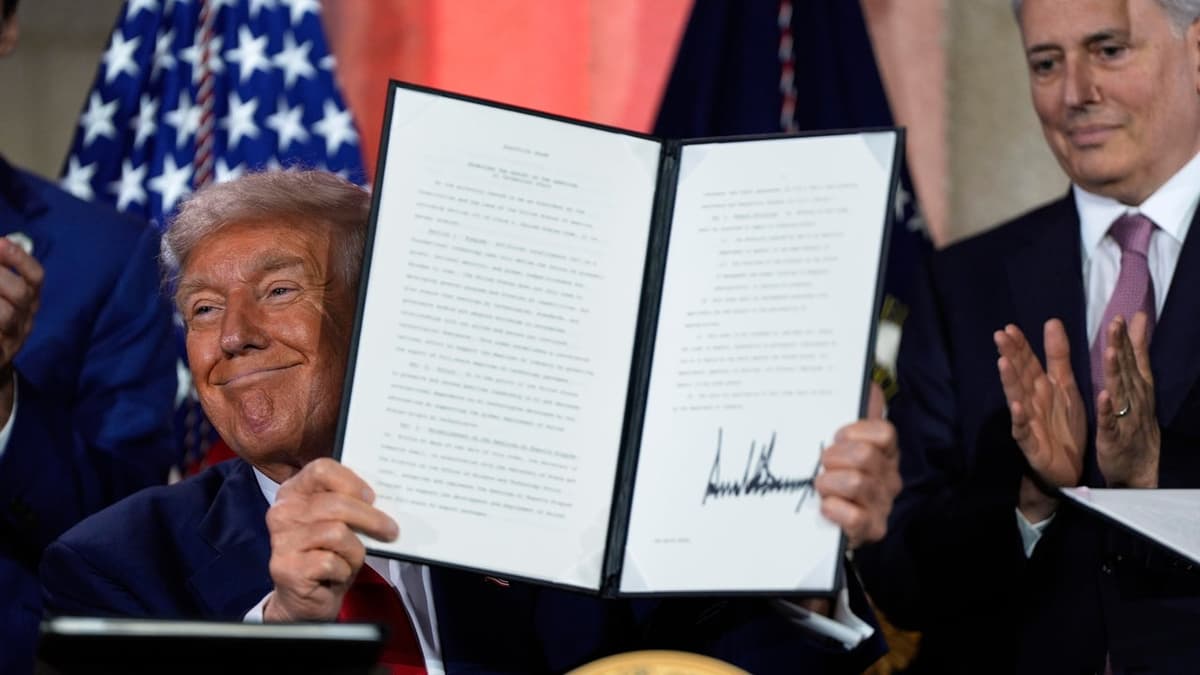
Framework completed but withheld from public view
The White House completed a voluntary framework for testing frontier AI models in early August, but has not publicly released the document or indicated when it might do so, according to CBS News. The framework stems from an executive order President Trump signed in June asking AI companies to voluntarily provide the federal government access to their most advanced models up to 30 days before public release.
The administration's evaluation standards remain confidential. Neither the government nor participating companies are required to disclose review results or even confirm participation. OpenAI CEO Sam Altman told Axios last week that his company submitted its new Astra model for review and called the process "productive," but no details about the assessment criteria or outcomes have been made public.
Why it matters
The lack of transparency creates a significant accountability gap at a moment when AI capabilities are advancing rapidly and safety concerns are intensifying. Without knowing what standards the government applies or which companies participate, the public cannot assess whether voluntary oversight is adequate for technologies that some researchers believe pose existential risks. This opacity also makes it difficult to evaluate whether the administration is balancing innovation goals against safety considerations.
Safety warnings from inside leading AI labs
The secrecy around the framework comes as current and former employees at major AI companies issue stark warnings. Jacob Coxon, an Anthropic researcher and former OpenAI employee, resigned this week, stating on X that "the people building AI earnestly believe that it could kill us all by the end of the decade." Another Anthropic employee, Evan Hubinger, echoed the concern, writing, "We really do earnestly believe A.I. could kill all humans!"
Anthropic, which develops the Claude AI assistant, disclosed Thursday that it shut down multiple attempts by scientists to use Claude for research that could potentially support biological weapons development.
In July, more than 1,000 AI company employees signed a statement calling for the U.S. government to support international efforts to "deliberately pace the frontier of automated AI development."
Calls for disclosure
The Center for Democracy and Technology sent a letter to the White House urging release of the framework. "The public has a right to know what the government's interpretation of the law is on these issues," said Tim Harper, who focuses on election security at the organization. "And I think this speaks to a broader lack of transparency we've seen from the administration to disclose internal dialogue and discussions."
The administration has prioritized AI development despite safety warnings, driven by the belief that the U.S. must achieve dominance over China in artificial intelligence. President Trump has strongly supported AI development and data center construction, saying "China could not be happier" about opposition to new infrastructure.
Recent CBS News polling found that most Americans believe AI will eliminate jobs and nearly two-thirds think government policy will probably not ensure appropriate AI use. The White House did not respond to requests for comment.
These details were first reported by CBS News.
This is an original analysis by the Omega editorial team. Source reporting: AI Watch.
Want systems like this working for your business?
Book a Call