White House AI Policy Rift Surfaces at G20 Innovation Summit
Commerce Department and OSTP compete for control as Trump administration pushes lighter AI regulation globally.
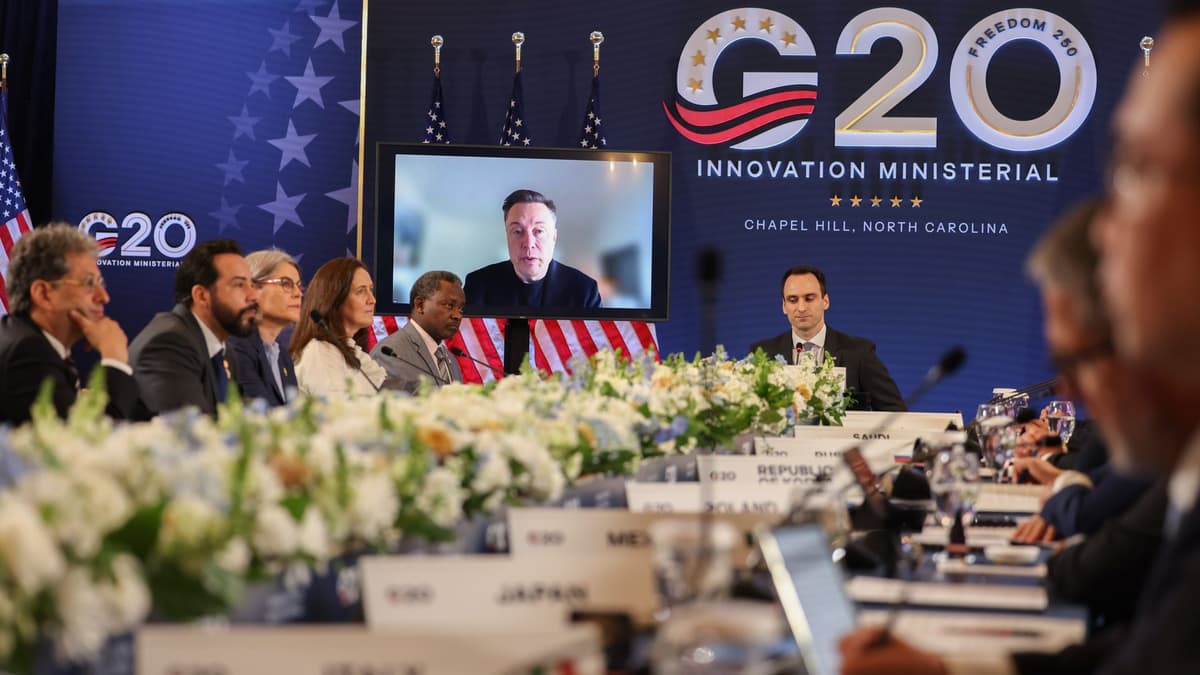
Internal divisions complicate U.S. AI leadership message
The Trump administration's effort to position the United States as the global leader in artificial intelligence faced an unexpected complication this week: its own internal power struggle.
At the G20 Innovation Ministerial in Chapel Hill, North Carolina, competing factions within the administration vied for control over AI policy even as officials publicly championed American technological leadership. The Commerce Department and the White House Office of Science and Technology Policy are locked in a bureaucratic contest over who shapes the nation's AI regulatory approach, according to Axios, which first reported the tensions.
Why it matters
The internal discord undermines the administration's credibility as it urges other nations to adopt lighter-touch AI regulation. How the U.S. resolves its own regulatory debates will influence whether other countries follow its lead or chart independent courses on AI governance.
Competing power centers
The divide manifested in the summit's structure itself. OSTP Director Michael Kratsios led Tuesday's programming with virtual appearances from Elon Musk, Google DeepMind's Demis Hassabis, and Meta's Mark Zuckerberg. Commerce Secretary Howard Lutnick took center stage Wednesday with in-person sessions featuring Nvidia's Jensen Huang, OpenAI's Sam Altman, and other industry leaders.
Lutnick pointedly emphasized the in-person nature of his guests. "If you're not gonna get on the plane and come and join where the top 20 countries of the world are, that's OK," he told Axios.
The Commerce Department controls critical AI policy mechanisms including the Bureau of Industry and Security and the Center for AI Standards and Innovation. One source described OSTP as a shop of "thinkers" lacking Commerce's regulatory authority.
Coordination breakdowns
Poor coordination between the agencies created messaging problems. Kratsios discussed data centers during his conversation with Musk despite plans to avoid the politically sensitive topic, according to sources. Officials had wanted to steer clear of the issue following President Trump's "let Data Reign" social media post and because Chinese representatives attended the summit.
The administration also disputed whether Musk's virtual participation resulted from scheduling conflicts or inadequate advance coordination.
Regulatory uncertainty persists
While promoting "flexible policy frameworks" internationally, the administration continues debating fundamental questions about AI oversight at home. The White House has completed but not released a framework for reviewing advanced AI models before deployment. Officials are still deliberating over proposals for a FINRA-style AI regulatory body and revisions to export controls on advanced chips and models.
David Sacks, an outside Trump adviser on AI, told G20 ministers he opposes creating new AI regulatory organizations, arguing existing laws already cover the technology. A White House official told Reuters the U.S. would press member countries to avoid establishing new AI oversight bodies.
The global stakes
The administration seeks to position its lighter regulatory approach as an alternative to the European Union's more restrictive framework. Officials credit U.S. AI progress to policies encouraging private investment and providing regulatory clarity—even as key regulatory decisions remain unsettled domestically.
The details were first reported by Axios.
This is an original analysis by the Omega editorial team. Source reporting: AI Watch.
Want systems like this working for your business?
Book a Call
