White House AI Policy Adviser Sriram Krishnan to Exit
The tech investor plans to launch an external institution to continue shaping Trump administration technology policy from outside government.
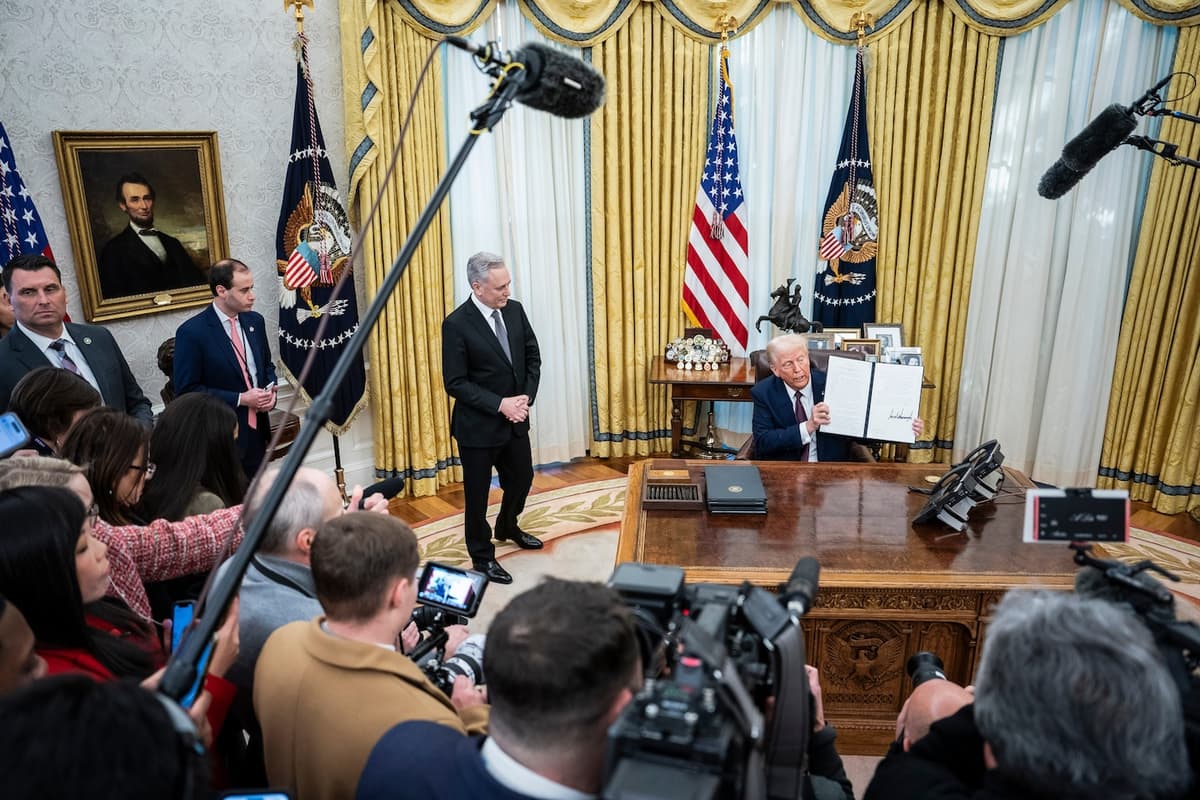
Sriram Krishnan, the tech investor who served as senior policy adviser for artificial intelligence in the Trump White House, will leave his position at the end of June to establish an independent organization focused on technology policy.
Krishnan informed administration officials of his departure plans, according to a person familiar with the discussions. The new institution remains in early planning stages but is designed to allow Krishnan to maintain influence over the Trump administration's AI strategy from outside the federal government.
Why it matters
Krishnan's departure marks a significant shift in how the Trump administration's pro-industry AI agenda will be shaped going forward. His move to an external role suggests a model where policy influence flows through private institutions rather than direct government service—a pattern that could reshape how technology policy gets made in Washington. The timing also raises questions about continuity in the administration's AI approach as the technology continues its rapid evolution.
Shaping Pro-Industry AI Policy
During his tenure at the White House, Krishnan played a central role in developing the administration's business-friendly approach to artificial intelligence regulation and development. His background as a tech investor brought Silicon Valley perspectives directly into policy discussions at the highest levels of government.
The specific policies Krishnan influenced and the duration of his White House service were not detailed in the available information, though his role as senior policy adviser positioned him at the intersection of emerging AI capabilities and federal regulatory frameworks.
The External Influence Model
Krishnan's planned institution represents a growing trend of former government officials establishing outside organizations to maintain policy influence. This approach allows for continued engagement with administration priorities while operating with greater flexibility than government service permits.
The nascent organization's specific focus areas, funding sources, and operational structure have not been announced. However, the stated intention to remain active in the Trump administration's AI response suggests the institution will serve as a bridge between the technology industry and policymakers.
What Comes Next
With Krishnan's departure scheduled for the end of June, questions remain about who will fill the senior AI policy role and whether the administration will maintain its current regulatory posture. The transition comes at a critical moment as federal agencies grapple with how to oversee AI development while encouraging American competitiveness in the technology sector.
These details were first reported by The Washington Post.
This is an original analysis by the Omega editorial team. Source reporting: AI Watch.
Want systems like this working for your business?
Book a Call
