White House accuses Moonshot AI of stealing Anthropic tech
Michael Kratsios claims China's Kimi K3 model was built using covert distillation of Anthropic's Fable system.
White House alleges IP theft in AI model development
The White House has directly accused Chinese AI company Moonshot AI of stealing proprietary technology from Anthropic to build its Kimi K3 model, marking a significant escalation in tensions over AI intellectual property between the United States and China.
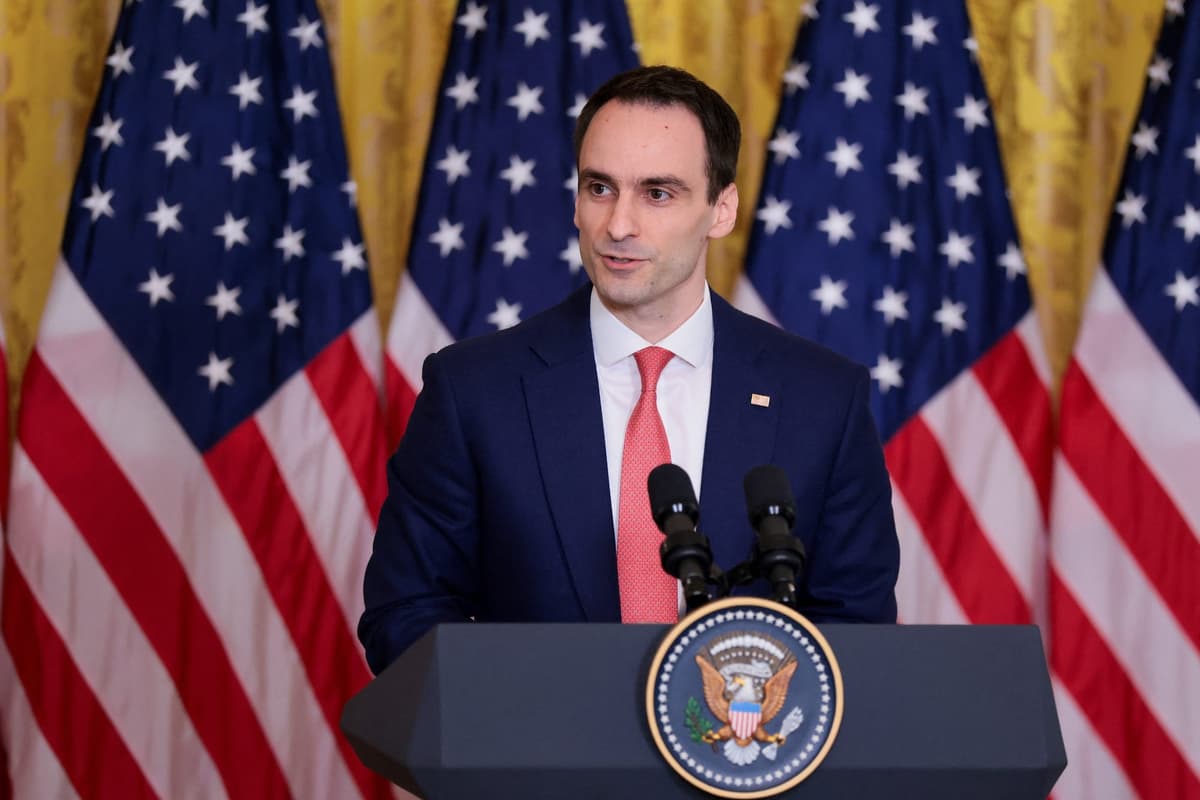
Michael Kratsios, director of the White House Office of Science and Technology Policy, made the allegation public Wednesday morning on X. According to Kratsios, the administration has information showing that Moonshot AI distilled Anthropic's Fable model during K3's development.
"To do this they developed a sophisticated internal platform to conduct large scale distillation against U.S. models, allowing them to quickly switch between multiple methods of access to avoid detection," Kratsios wrote, suggesting the company deliberately concealed its activities.
The Kimi K3 controversy
Kimi K3 has drawn widespread attention as what many consider the most impressive open-source AI model released to date. In benchmark testing, the model has matched or exceeded performance levels of leading frontier models from Anthropic and OpenAI—systems that likely required billions of dollars to develop.
Moonshot AI plans to release K3's full weights next week, making the model freely available for download on local devices and customizable for individual users' needs. This open availability stands in stark contrast to the closed, proprietary nature of the U.S. models it allegedly rivals.
Distillation: legitimate practice or IP theft?
Kratsios emphasized that distillation itself—the process of training a smaller model on outputs from a more powerful one—is not inherently problematic. AI labs routinely use this technique to create more efficient versions of their systems.
"Legitimate AI distillation used to create smaller, more efficient models plays a vital role in this open innovation ecosystem," he stated. "However, large-scale, covert industrial distillation aimed at stealing proprietary U.S. technology and undermining American research is unacceptable."
The distinction centers on scale, intent, and transparency. While companies openly distill their own models, the White House alleges Moonshot conducted systematic, concealed distillation of a competitor's proprietary system.
Sanctions and prior accusations
The statement follows Treasury Secretary Scott Bessent's recent suggestion that the U.S. government may impose sanctions on Chinese companies if improper distillation is proven. Anthropic itself publicly accused three companies, including Moonshot AI, of distillation attacks violating its terms of service in February.
The White House's position represents a rare alignment with Anthropic during the Trump administration, which previously imposed export controls blocking Anthropic from releasing its Fable 5 model and moved to blacklist the company through the Pentagon in February.
Why it matters
This public accusation signals that AI intellectual property disputes have moved beyond corporate complaints to become matters of national policy. If the U.S. government proceeds with sanctions or other enforcement actions, it could reshape how Chinese AI companies access and compete with American technology. The case also highlights fundamental tensions between open-source AI development principles and protecting proprietary research investments—a debate that will likely intensify as models become more capable and valuable.
Business Insider first reported these details.
This is an original analysis by the Omega editorial team. Source reporting: AI Watch.
Want systems like this working for your business?
Book a Call