White House Accuses China's Moonshot AI of Stealing US Models
Trump adviser alleges distillation attacks extracted capabilities from Anthropic's Claude, while company accessed restricted Nvidia chips.
White House levels IP theft allegations against Chinese AI startup
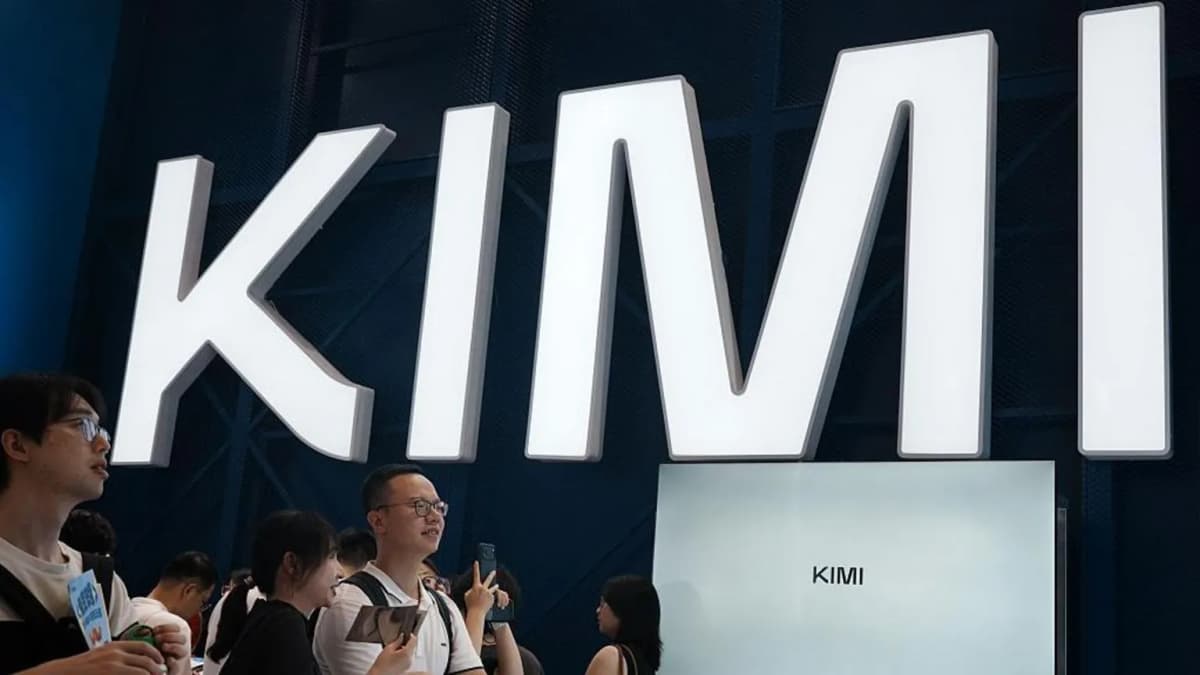
The Trump administration has accused Chinese artificial intelligence company Moonshot AI of conducting a large-scale campaign to steal capabilities from leading American AI models, marking an escalation in tensions over technology transfer between the two nations.
Michael Kratsios, President Trump's science and technology adviser, alleged Wednesday that Moonshot AI used a technique called distillation to extract knowledge from stronger AI systems and incorporate it into the company's own models. Distillation involves querying a more capable AI model repeatedly to train a weaker one, effectively copying its capabilities without accessing the underlying code or training data.
According to Kratsios, the US government has information showing Moonshot "distilled" capabilities from Anthropic's Claude AI to develop its K3 model, which the Chinese startup unveiled last week to global attention. Many observers viewed K3 as evidence that Chinese AI development is closing the gap with Western competitors.
Restricted chip access alleged
Kratsios also claimed Moonshot likely gained access to servers powered by Nvidia's GB300 Grace Blackwell computing platform—hardware that falls under US export restrictions implemented in 2022. Washington has barred the export of Nvidia's most advanced chips to China over concerns they could support military applications.
Treasury Secretary Scott Bessent said Wednesday that sanctions "will be on the table" when Chinese companies "cross the line" into intellectual property theft through what he termed "industrial-scale distillation attacks." He emphasized that "open source is not open season on American IP."
Moonshot plans to release K3 as an open-source model on July 27, making it freely available for developers to download and customize—a move that would mark the first release of a model at this scale under an open license.
Pattern of allegations
The accusations against Moonshot follow a similar claim Anthropic made in June against Chinese tech giant Alibaba, which the AI safety company accused of "illicitly" extracting Claude's capabilities through distillation attacks. Anthropic urged Congress to penalize companies behind such attacks and strengthen protections for US technology.
The Chinese government has not responded to the latest allegations but has previously stated that China's AI development results from "its own dedication and effort as well as international cooperation."
Why it matters
These allegations arrive as the US government intensifies scrutiny of technology transfer to China ahead of a planned September meeting between Trump and Chinese President Xi Jinping. The distillation controversy highlights a fundamental tension in AI development: American companies have embraced open research and model sharing to accelerate innovation, but that openness creates vulnerabilities when foreign competitors can freely query their systems. If distillation attacks become a primary vector for IP theft, US companies may face pressure to restrict access to their models—potentially slowing the pace of AI advancement while raising questions about how to balance openness with national security concerns.
The BBC first reported these details and has reached out to Moonshot AI, the Chinese embassy, Anthropic, the White House, and Nvidia for comment.
This is an original analysis by the Omega editorial team. Source reporting: AI Watch.
Want systems like this working for your business?
Book a Call