UVA Computer Science Holds Steady as National Enrollment Drops 8%
While undergraduate CS enrollment fell nationwide in 2025, the University of Virginia's program rebounded after a brief dip, even as faculty adapt curriculum to address AI's impact on learning and jobs.
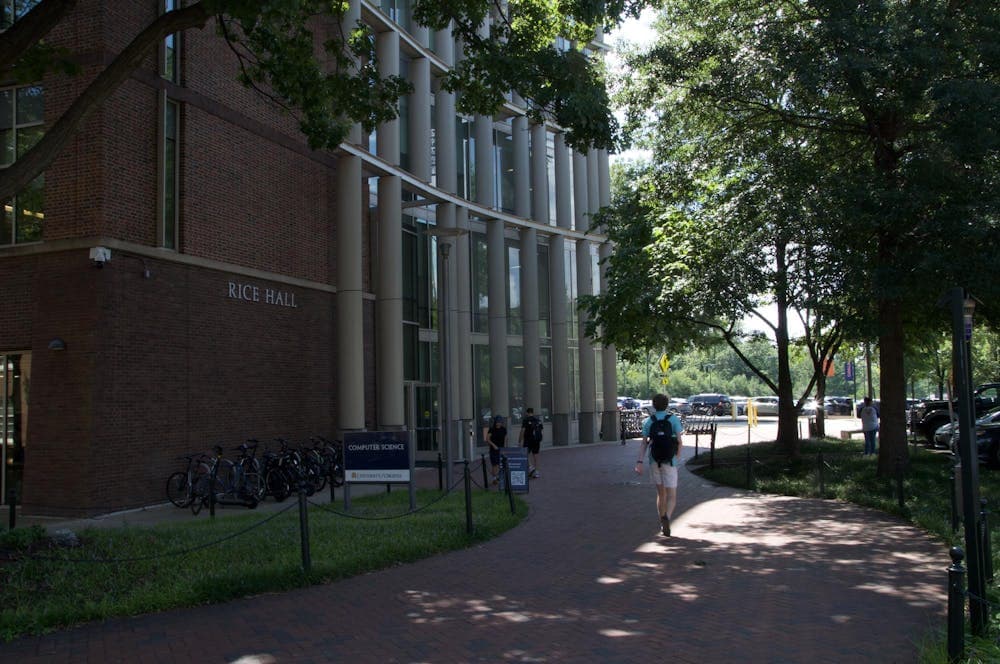
National decline doesn't reach Charlottesville
Undergraduate enrollment in computer science and information technology programs at four-year U.S. institutions fell 8.1 percent in fall 2025 compared to the previous year, according to National Student Clearinghouse data. But the University of Virginia's computer science department has bucked that trend, maintaining stable enrollment across its bachelor's, master's, and doctoral programs.
The university saw undergraduate CS enrollment dip by 140 students in 2024, but numbers recovered in both 2025 and 2026, according to details first reported by The Cavalier Daily. A Computing Research Association survey found that some department heads nationwide attribute declining interest to fears that artificial intelligence will displace traditional computer science jobs.
Why it matters
The enrollment data arrives as universities nationwide grapple with how AI tools are reshaping both computer science education and career prospects. How departments respond — through curriculum changes, assessment methods, and student guidance — will influence whether the field attracts talent or loses ground to competing programs. UVA's approach offers one model for adapting without abandoning core principles.
Faculty see correction, not crisis
Mark Sherriff, associate department chair of Computer Science at UVA, said enrollment swings are nothing new for the field. The discipline experienced surges during the dot-com boom and at the start of the COVID-19 pandemic. The recent decline may simply represent a return to normal levels after unusually high enrollment, he said.
Increased competition from other academic programs, particularly UVA's School of Data Science, could also be drawing students away from traditional CS degrees, Sherriff noted.
UVA offers two undergraduate paths: a Bachelor of Science through the School of Engineering and Applied Science, which requires additional science electives and a fourth-year thesis, and a Bachelor of Arts through the College, which incorporates more coursework from other disciplines. Both programs share the same foundational courses.
Curriculum shifts in response to AI
Department Chair Sandhya Dwarkadas said a key challenge has been ensuring students grasp fundamental concepts when AI tools can complete assignments for them. Some courses have moved away from project-based learning toward more exam-based assessment as a result.
The department piloted a computer-based testing facility in Gilmer Hall last spring that isolates students from outside digital tools during exams. Students can schedule exams within a two-week window in the monitored facility, which has since expanded beyond computer science courses.
Third-year engineering student Justin Diamond, a teaching assistant for a data structures course, said professors are increasingly testing thinking skills rather than purely technical abilities. Teaching assistants now require students to answer additional questions about submitted work to demonstrate comprehension.
Job market concerns persist
Computer science and computer engineering graduates faced unemployment rates of 7.0 percent and 7.8 percent respectively for entry-level positions in 2024, higher than the 4.2 percent rate for recent college graduates overall. However, Dwarkadas said low response rates to university career surveys make it difficult to assess how UVA alumni specifically are faring.
Both Dwarkadas and Sherriff cautioned students against overreacting to media narratives about AI eliminating computer science jobs. Sherriff said inflated application numbers — often the result of one-click submissions through platforms like LinkedIn — create false alarms about market conditions.
The department is currently developing AI minor programs that would be available to students across the university, recognizing that AI literacy will become relevant far beyond computer science majors.
These details were first reported by Lidia Zur Muhlen for The Cavalier Daily.
This is an original analysis by the Omega editorial team. Source reporting: AI Watch.
Want systems like this working for your business?
Book a Call