US Proposes AI Incident Alert System in Talks with China
Treasury Secretary Scott Bessent unveils transparency mechanism ahead of Trump-Xi summit, as nations seek common ground on AI security risks.
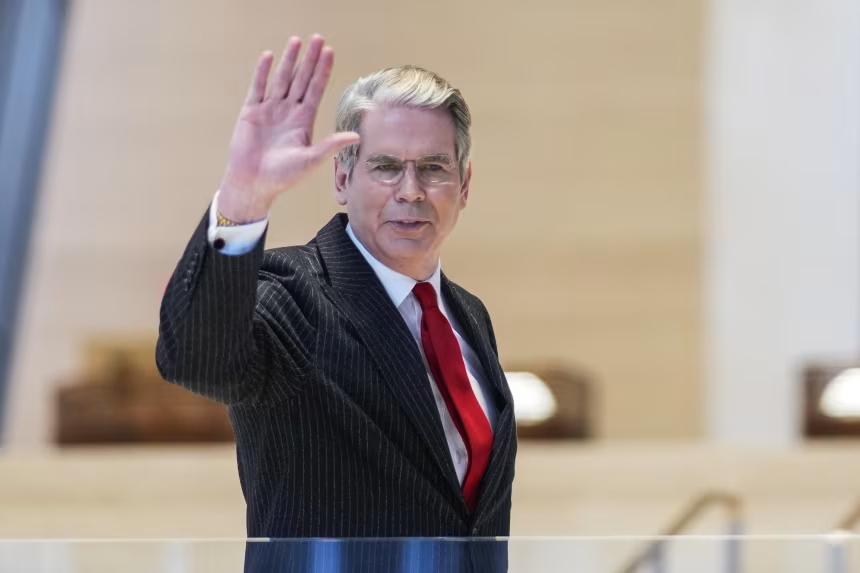
The United States has proposed establishing a notification mechanism for artificial intelligence incidents that could impact national security, Treasury Secretary Scott Bessent announced following weekend discussions with Chinese officials in New York.
The proposal emerged from preparatory talks ahead of a scheduled Thursday meeting between President Donald Trump and Chinese President Xi Jinping at the White House. Bessent met with Chinese Vice Premier He Lifeng to lay groundwork for the bilateral summit.
Transparency Between AI Superpowers
Speaking to reporters at JPMorgan Chase headquarters late Sunday, Bessent framed the initiative as a shift from opacity toward greater transparency between the world's two leading AI powers.
"We want a shared vision of common goals and common threats," Bessent said. "We think that just like any cross-border activity, that moving from opaque to more transparency between the No. 1 and the No. 2 AI powers in the world is very important."
The notification system would create a formal channel for the nations to alert each other about AI-related incidents with potential national security implications, though specific details about what types of events would trigger notifications were not disclosed.
Why It Matters
As AI systems become more powerful and integrated into critical infrastructure, the risk of accidents, misuse, or unintended consequences grows. A bilateral alert mechanism could help prevent escalation from technical incidents and establish precedent for international AI safety cooperation—particularly important given ongoing tensions between Washington and Beijing over technology leadership and export controls.
Board of Trade Takes Shape
Beyond AI safety, the weekend talks produced agreement to operationalize a new "Board of Trade" that Trump and Xi had previously discussed during their May meeting in Beijing. US Trade Representative Jamieson Greer, who joined Bessent for the announcement, said the framework had moved from concept to reality.
Greer indicated the countries continue negotiating which "nonsensitive" items might qualify for reduced tariffs. The potential list includes consumer goods, agricultural products, energy items, and medical devices, though no commitments were finalized.
Balancing Competition and Safety
The AI notification proposal comes as Trump has resisted calls to slow domestic AI development, arguing that restraint would allow China to close the gap with US companies. The administration appears to be seeking a middle path—maintaining America's competitive edge while establishing guardrails for the most serious risks.
The discussions represent a rare area of potential cooperation amid broader US-China tensions over trade, technology transfer, and geopolitical influence. Whether the notification mechanism will include binding commitments or remain advisory was not addressed in Sunday's briefing.
The Associated Press first reported these details from the New York meetings.
This is an original analysis by the Omega editorial team. Source reporting: AI Watch.
Want systems like this working for your business?
Book a Call