U.S. Military Nearly Boarded Chinese Ship on AI Hallucination
A chatbot falsely identified nuclear weapon components, prompting special operations to plan a boarding action that was called off at the last minute.
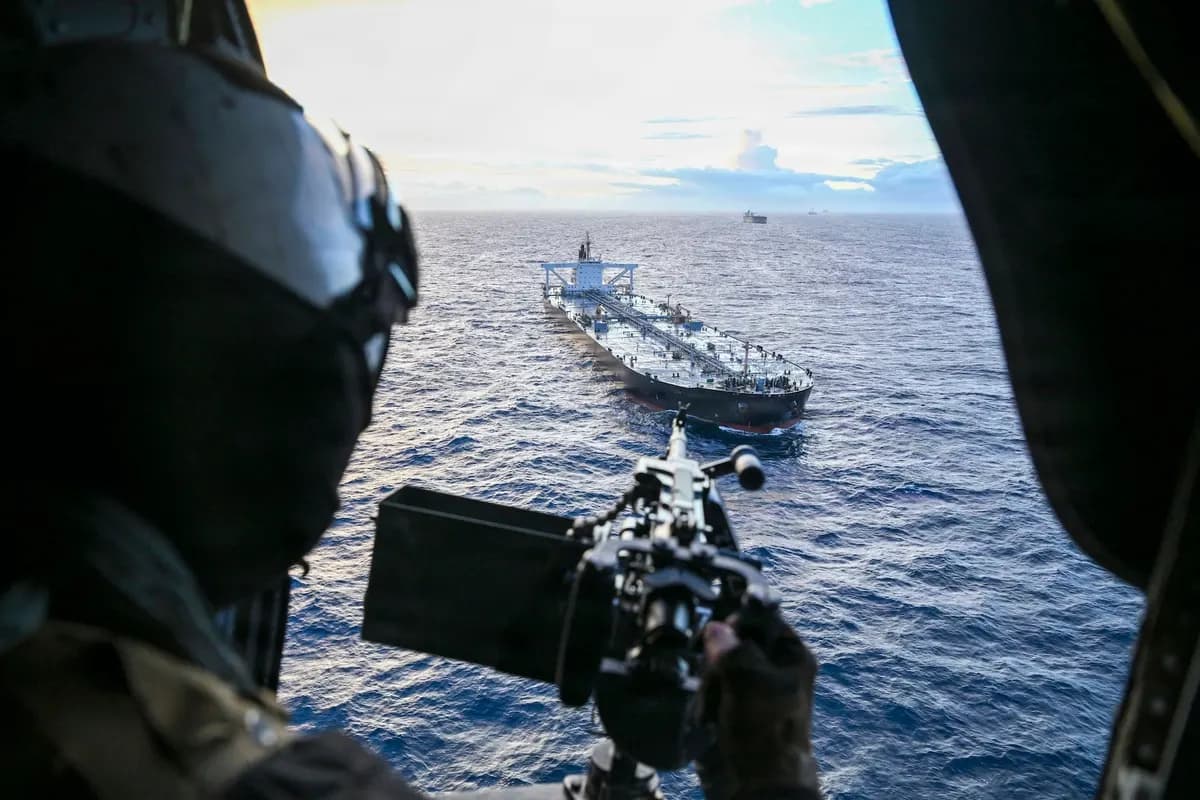
The U.S. military came dangerously close to boarding a Chinese-flagged vessel in the Middle East after an artificial intelligence tool generated false intelligence about its cargo, according to a report from CNN.
A special operations command analyst using a chatbot received inaccurate information claiming the ship was transporting nuclear weapon components destined for Iran's nuclear program. The faulty analysis nearly prompted a boarding action that one anonymous source told CNN "almost started a war."
Military leadership backed out of the operation at the last minute after the intelligence was questioned, but the incident reveals how AI tools are being integrated into high-stakes military decision-making with potentially catastrophic consequences.
The AI hallucination problem in military operations
The chatbot incorrectly identified materials aboard the Chinese vessel, demonstrating a fundamental problem with current AI systems: their tendency to generate confident-sounding but entirely fabricated information. Details about which specific AI tool was used remain undisclosed, though the incident occurred within special operations command.
China maintains its own nuclear weapons program as one of nine nuclear-armed nations globally. The false intelligence suggested the ship was delivering components to Iran, which the U.S. and Israel have been actively bombing since February 28 in an ongoing conflict.
Pattern of AI-driven intelligence failures
This incident appears to be part of a broader pattern. Bloomberg reported Friday that U.S. intelligence analysts relied heavily on Palantir's Maven Smart System—an AI tool that synthesizes multiple data sources—when launching a missile strike on an Iranian school on the first day of the war. That attack on Shajarah Tayyebeh Elementary School killed more than 150 people, including 123 children.
United Nations experts said Thursday they found "reasonable grounds" to conclude the U.S. committed war crimes in the school strike, according to the Associated Press. The experts plan to present their findings Monday to the UN Human Rights Council.
Defense Secretary Pete Hegseth has actively promoted AI adoption throughout the Department of Defense, raising questions about safeguards and human oversight in military intelligence operations.
Why it matters
This near-miss demonstrates that AI hallucinations are no longer just a problem for chatbot users getting bad restaurant recommendations—they're now influencing decisions that could trigger international conflicts. When military analysts treat AI-generated intelligence as reliable without sufficient verification, the consequences can range from diplomatic incidents to war crimes. The integration of AI tools into defense operations is accelerating faster than the development of protocols to catch their errors, creating systemic risks that extend beyond any single incident.
The details of the Chinese vessel incident and the Iranian school strike were first reported by CNN and Bloomberg, respectively.
This is an original analysis by the Omega editorial team. Source reporting: AI Watch.
Want systems like this working for your business?
Book a Call