US Intelligence Accuses Six Chinese AI Firms of IP Theft
NSA, FBI, and CISA allege DeepSeek, Alibaba, and others conducted systematic knowledge distillation campaigns against American AI models.
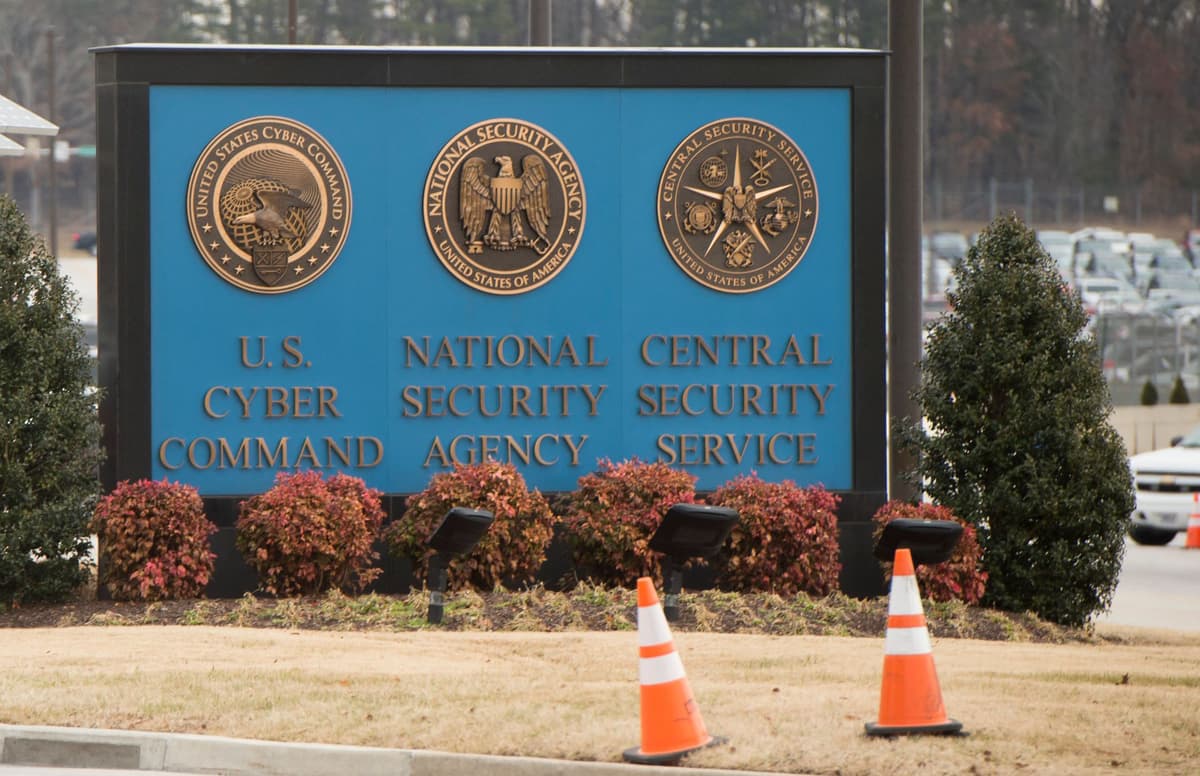
The National Security Agency, FBI, and Cybersecurity and Infrastructure Security Agency issued a joint advisory Tuesday accusing six Chinese artificial intelligence companies of conducting large-scale knowledge distillation operations against U.S. AI firms. The named companies—DeepSeek, Moonshot AI, Alibaba, MiniMax, StepFun, and Z.AI—allegedly extracted billions of tokens from American frontier models including Claude, GPT, Gemini, and Grok variants.
According to the agencies, these extraction campaigns began at least in late 2024 and likely occurred with Chinese government awareness. The advisory characterized distillation as "the critical core" of these companies' development programs rather than a supplementary technique.
How the alleged campaigns worked
Knowledge distillation is a machine learning method where a smaller model learns by analyzing outputs from a larger, more capable system. While the technique has legitimate applications, the intelligence agencies said the Chinese operations violated terms of service, circumvented geographic restrictions, and relied on fraudulent accounts routed through API proxy networks called "transfer stations" to avoid detection.
The advisory provided company-specific details. DeepSeek reportedly targeted reasoning capabilities and specialized optimizations from GPT-4, GPT-5, and multiple Claude versions to develop its R1 and V3 models. The agencies noted that DeepSeek's publicly stated $5.6 million training cost omits expenses for data obtained through distillation. Moonshot AI allegedly extracted data from Claude to build its Kimi K3 model, while Alibaba, MiniMax, StepFun, and Z.AI distilled capabilities spanning software engineering, coding, and customer service functions.
Why it matters
The accusations escalate tensions between Washington and Beijing over AI development and intellectual property at a critical moment. Treasury Secretary Scott Bessent warned that sanctions and Entity List designations could follow if Chinese firms are found to have crossed into IP theft. The timing is particularly sensitive, coming weeks before President Donald Trump is scheduled to host Chinese President Xi Jinping in Washington, where AI is expected to be a discussion topic. A separate U.S.-China AI safety dialogue is planned for mid-September.
The advisory also reflects growing concern that China's rapid AI progress may rely on extracting value from American investments in foundational model development rather than independent innovation.
Responses and next steps
China rejected the allegations. Foreign Ministry spokesperson Mao Ning attributed China's AI advances to domestic scientific capabilities and called on Washington to stop making "false accusations," according to Reuters. A Chinese Embassy spokesperson described the U.S. framing as "a deliberate attack on China's development and progress in the AI industry," Bloomberg reported.
The intelligence agencies recommended that U.S. AI developers implement behavioral monitoring tools, quietly modify outputs when distillation is suspected, and share threat intelligence with industry peers.
This isn't the first time U.S. officials have raised concerns about these companies. The White House Office of Science and Technology Policy accused Moonshot AI in July of building a platform for large-scale distillation and alleged the company obtained banned Nvidia chips to develop Kimi K3.
These details were first reported by Quartz.
This is an original analysis by the Omega editorial team. Source reporting: AI Watch.
Want systems like this working for your business?
Book a Call