US Data Firms Supply Both Pentagon and Chinese AI Labs
Four American companies providing training data to U.S. military contractors are simultaneously working with Beijing-linked AI developers.
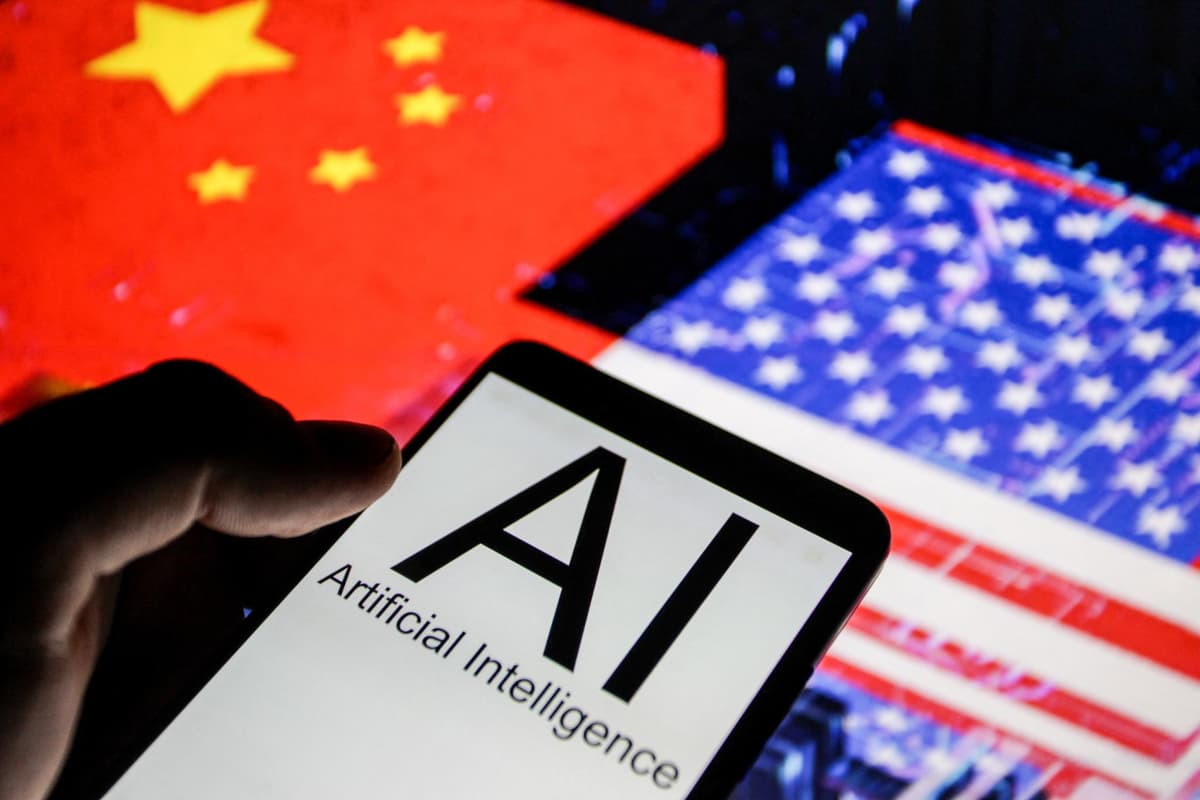
Dual Allegiances in AI Training Data
Four prominent American companies that supply training data to U.S. defense contractors and major AI developers are simultaneously providing services to Chinese artificial intelligence laboratories, creating what lawmakers describe as a significant national security vulnerability.
The companies—SurgeAI, Mercor, AfterQuery, and Turing—collectively earn approximately $500 million annually from China's top six AI labs while also maintaining contracts with the Pentagon and working with leading U.S. AI firms including Anthropic, Google, Meta, and OpenAI, according to a Forbes investigation.
Rep. Michael McCaul (R-Texas), former chairman of the House Foreign Affairs Committee, called the arrangement untenable. He told reporters that companies seeking government contracts must choose between serving U.S. interests or assisting Chinese military-linked entities.
The Data Pipeline to Beijing
The scope of these relationships varies by company but involves critical AI infrastructure:
SurgeAI, considered a leading data labeling provider, has worked with Tencent—a Chinese firm the U.S. government has designated as a military company. SurgeAI holds contracts with the Army and Air Force. Tencent executives privately acknowledged their reliance on the American firm's services.
Mercor, which recently secured a federal contract, also maintains business ties with Tencent. China accounted for roughly 2% of the company's second-quarter revenue. Mercor specializes in recruiting domain experts who help train AI chatbots.
AfterQuery generates approximately $50 million in recurring revenue from Chinese clients, including Ant Group, the financial services arm of Alibaba.
Turing, which develops specialized training datasets, has provided services to ByteDance, TikTok's parent company in China.
None of the four companies responded to requests for comment.
Why it matters
High-quality training data has emerged as a critical bottleneck in AI development. While U.S. export controls restrict China's access to advanced chips from Nvidia and other manufacturers, curated American datasets could provide Beijing an alternative pathway to competitive AI capabilities. The data labeling and curation process requires specialized expertise that Chinese labs may struggle to replicate domestically at scale. Companies simultaneously serving both nations' AI ecosystems create potential channels for transferring not just data but methodological knowledge that could accelerate Chinese military AI applications.
The Strategic Dilemma
AI models require massive volumes of accurately labeled, properly structured data to function effectively. The specialized nature of this work—particularly for advanced applications—makes it difficult to source and expensive to produce.
China has made substantial progress narrowing the AI gap with the United States in recent months, despite years of American efforts to limit Beijing's access to cutting-edge semiconductor technology. Access to professionally curated American training data could prove as valuable as hardware advantages in this competition.
The revelation comes as Washington intensifies scrutiny of technology transfer to China across multiple sectors, particularly in areas with potential military applications.
These details were first reported by Forbes and confirmed by Representative McCaul's office.
This is an original analysis by the Omega editorial team. Source reporting: AI Watch.
Want systems like this working for your business?
Book a Call
