US Data Centers to Consume Up to 359 TWh Annually by 2026
New analysis reveals permitted facilities will increase electricity demand by 50%, sparking community backlash and grid concerns nationwide.
Massive electricity surge ahead
American data centers are poised for an unprecedented expansion in power consumption, according to a comprehensive analysis of facility permits issued through 2025. If all permitted data centers come online as planned, they will consume between 224.3 and 358.8 terawatt-hours of electricity annually—a 50% increase over the previous year, Business Insider found.
At the midpoint of that range, data center electricity use would exceed the total consumption of any single US state in 2024 except Texas. The analysis, which examined permits across all 50 states, reveals that 176 new data center permits were issued in 2025 alone across 34 states—the highest number in a single year since the first permit was issued in 1976.
The explosive growth is driven primarily by hyperscale facilities—mammoth data centers consuming 40 megawatts or more each—as technology giants race to build infrastructure for artificial intelligence applications. Amazon, Meta, Microsoft, and Alphabet collectively plan to spend over $600 billion in 2026, with most capital directed toward data center construction.
Why it matters
This infrastructure buildout represents more than an engineering challenge—it's reshaping American communities, energy markets, and political landscapes. The electricity demands are already translating into higher costs for consumers: at PJM Interconnection, which serves 67 million people across 13 states, data centers contributed to a 76% increase in wholesale power costs in the first quarter of 2026 compared to the prior year, according to the grid operator's independent market monitor. Utilities investing billions in new infrastructure to meet data center demand are passing those costs to all ratepayers, not just the tech companies driving the expansion.
Rural communities push back
The facilities are increasingly targeting rural areas, where developers find cheap power, available land, and necessary water resources. Amazon's planned complex in Ridgeland, Mississippi would transform nearly 800 acres of rural woodland. Microsoft's proposed facility in Mount Pleasant, Wisconsin would span over 5.2 million square feet on property nearly the size of Central Park. A QTS data center outside Eagle Mountain, Utah is expected to demand between 1.9 and 3 terawatt-hours annually—equivalent to the electricity used by 227,000 homes.
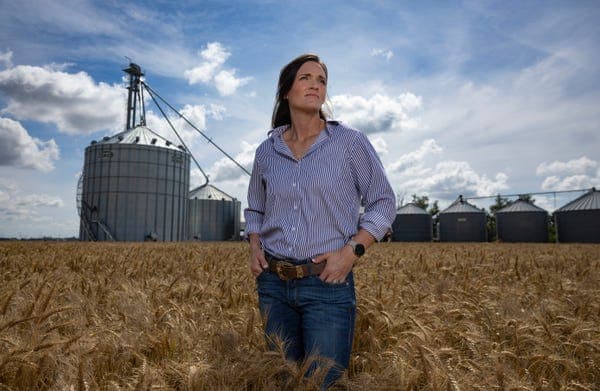
These projects have sparked fierce local opposition. In Sedgwick County, Kansas, farmer Kaitlyn Gruenbacher organized neighbors against three proposed data centers threatening the Equus Beds Aquifer, which provides irrigation and drinking water during a yearslong drought. Residents fear the facilities will strain water supplies, increase electricity bills, and displace farming families. Under community pressure, county leaders extended the study period for new applications by 90 days in May.
Grid strain and cost concerns
Data centers' resource intensity extends beyond electricity. The largest facilities consume several million gallons of water daily for cooling. Their demands have decreased water pressure for neighbors, strained electric grids, and increased reliance on fossil fuels including coal and natural gas.
States have granted substantial tax exemptions to attract data center development—Ohio's recently suspended exemption totaled nearly $1.6 billion in lost revenue in 2025. Meanwhile, the facilities create fewer permanent jobs than proponents suggest, though construction does provide temporary employment.
In response to mounting criticism, Amazon, Google, Meta, and OpenAI pledged in late 2025 to pay their fair share for grid investments needed to support their facilities. At least 20 permits were issued through 2025 for dedicated power plants to serve data centers, with energy data company Cleanview identifying 46 such projects in planning.
Nebraska lawmakers are considering requirements that all new data centers build their own power generation sources to prevent electricity price increases for residents.
These findings were first reported by Business Insider based on air permit requests filed with all 50 states and Washington, DC. The analysis estimates facility power consumption based on backup generator permits, meaning actual electricity use—particularly at facilities with dedicated power plants—may be substantially higher than reported figures.
This is an original analysis by the Omega editorial team. Source reporting: AI Watch.
Want systems like this working for your business?
Book a Call
