US Data Center Power Demand Could Double by 2030
Battery storage emerges as critical infrastructure layer as AI workloads strain the electric grid.
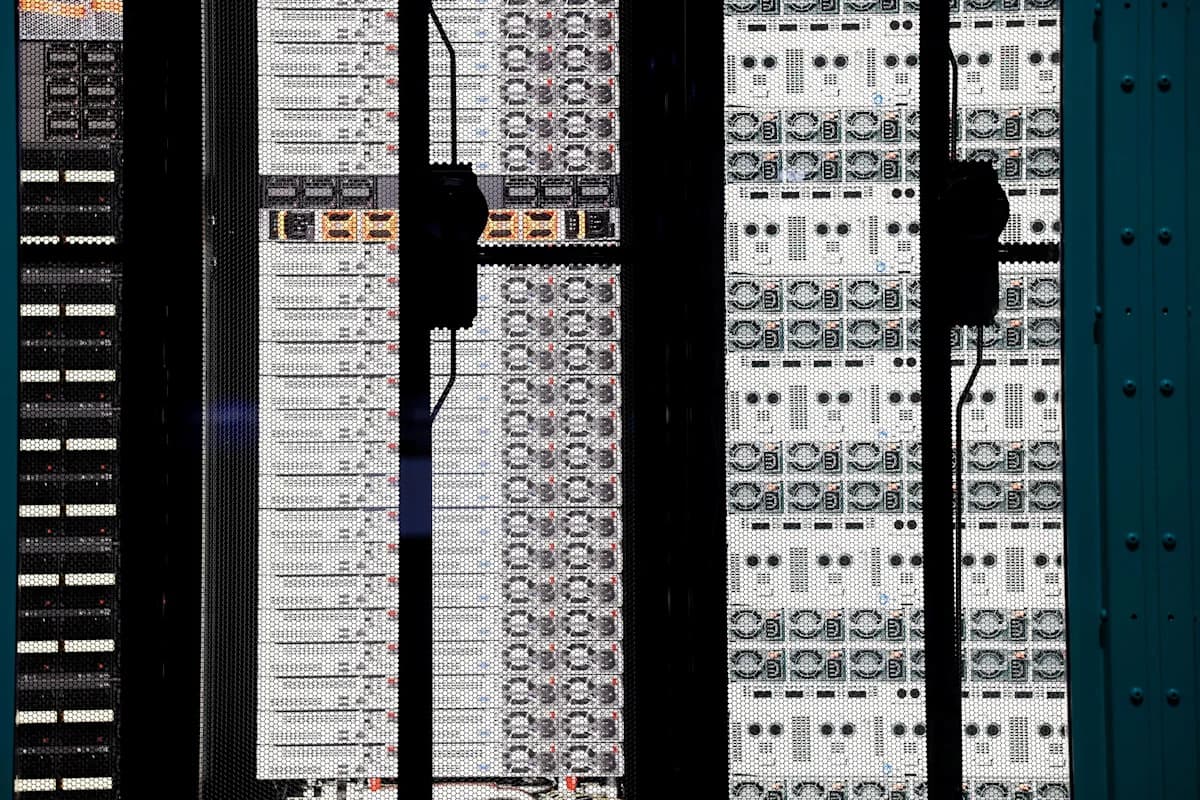
The Grid Becomes AI's Next Constraint
The artificial intelligence buildout is colliding with a fundamental physical limit: electricity supply. US data centers consumed approximately 167 terawatt-hours in 2023, but that figure could climb to 376 TWh by decade's end—an increase equivalent to powering 20 million American homes for a year, according to a Yahoo Finance analysis of government and industry data.
This surge is transforming electrical power from a routine operating expense into a strategic bottleneck that could determine where and how quickly AI infrastructure expands.
Why it matters
The power crunch creates a new category of AI infrastructure investment beyond semiconductors and servers. Companies that can deliver reliable electricity at scale—or technologies that make existing power more flexible—gain strategic importance. Battery storage, previously viewed mainly as a renewable energy enabler, now becomes critical for managing the concentrated, always-on power demands of AI workloads.
Storage as Infrastructure
Battery systems are emerging as a solution not because they generate electricity, but because they shift it through time. Brett Conrad, chair of Fixx Energy and a member of Lululemon's founding team, described storage as "a buffer between all the producers of energy and then all the consumers of energy" during remarks at the June ETP Forum hosted by ETFGlobal, as reported by Yahoo Finance.
That buffering function addresses a core challenge: AI computation requires consistent power delivery through physical infrastructure—servers, cooling systems, transmission lines, and substations. Batteries charge when electricity is abundant and discharge during demand spikes or grid constraints, smoothing out mismatches between supply and availability.
The investment shift is already visible in utility planning. Developers intend to add 24 gigawatts of utility-scale battery storage in 2026, trailing only solar additions and exceeding planned wind and natural gas capacity, according to US Energy Information Administration data cited in the report.
Beyond the Tech Sector
The power-infrastructure story is expanding beyond traditional technology companies. Yahoo Finance noted that investors recently interpreted Ford's battery storage agreement with EDF as part of the AI infrastructure chain, even though storage remains a minor business line for the automaker. The reaction suggests markets are beginning to price power reliability as a cross-sector concern tied to AI growth.
Conrad emphasized that energy storage serves "American manufacturing and AI data centers and just providing consistent power for even consumers," positioning it as critical infrastructure rather than a niche technology.
Battery systems won't eliminate the electricity constraint—data centers will still need more total power generation. But they can make existing capacity more useful by delivering it when and where AI workloads create peak demand. In a grid designed for steadier consumption patterns, that temporal flexibility carries measurable value.
These details were first reported by Yahoo Finance.
This is an original analysis by the Omega editorial team. Source reporting: AI Watch.
Want systems like this working for your business?
Book a Call