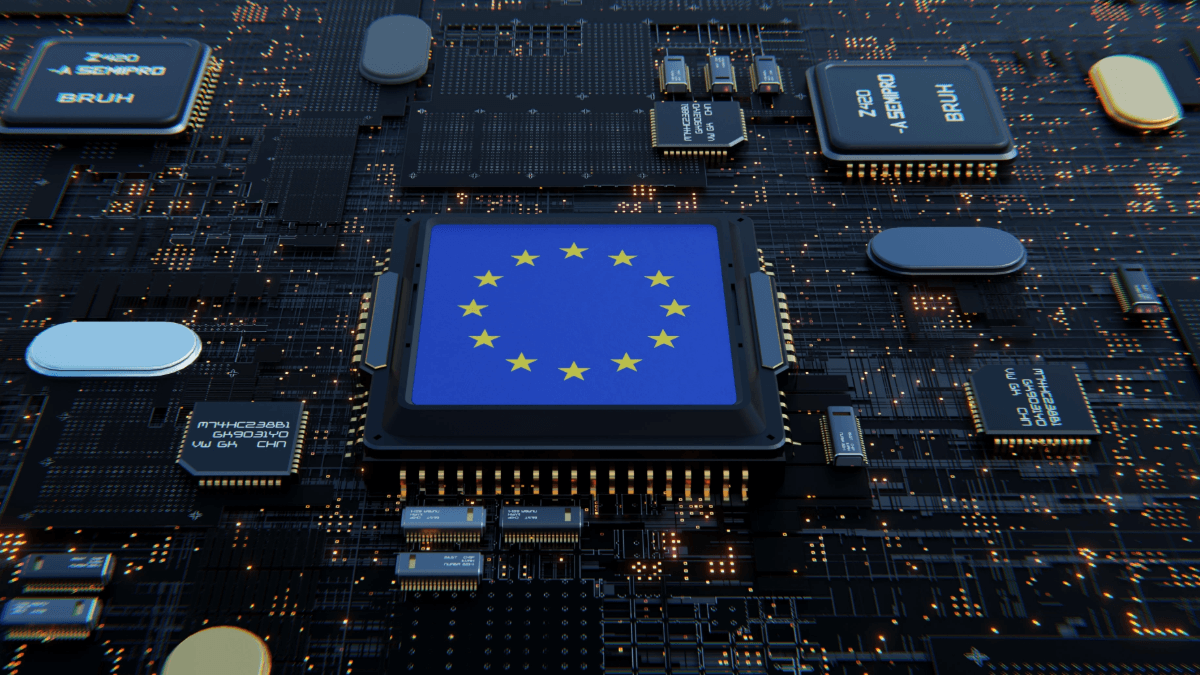
US Blocks Allies from Advanced AI Models, Sparking G7 Tensions
Washington's sudden export controls on Anthropic's most powerful systems have confirmed European fears about American technology 'kill switches.'

The United States has abruptly severed foreign access to some of the world's most advanced artificial intelligence systems, delivering a stark reminder to allies that American technology can be switched off without warning.
Washington imposed export controls Friday blocking all non-Americans from using Anthropic's Fable 5 and Mythos 5 models—restrictions so sweeping that the company had to disable access even for its own foreign employees. The timing could hardly be worse: G7 leaders are currently meeting in France with AI as a central agenda item, and the restrictions landed just as Brussels prepared to join the Pax Silica, Washington's alliance for securing AI chip supply chains.
Why it matters
The export controls transform a long-standing European anxiety into documented reality. Western allies now have concrete proof that dependence on American AI infrastructure carries genuine strategic risk, regardless of partnership status. For business leaders, this signals that technology supply chains—not just physical goods—have become instruments of geopolitical leverage, with immediate operational consequences.
National Security Rationale
Washington justified the restrictions by citing national security concerns. According to officials, Fable 5 and Mythos 5 possess unprecedented capabilities for identifying and exploiting cybersecurity vulnerabilities, effectively functioning as sophisticated hacking tools. The administration moved to prevent these capabilities from reaching potential adversaries.
But the blanket nature of the controls—hitting trusted allies simultaneously with everyone else—has generated significant friction. "We are a trusted partner. I would challenge you to find a more trusted partner than Europe," said Thomas Regnier, the European Commission's spokesperson for tech sovereignty, according to Euronews.
G7 Confrontation
French President Emmanuel Macron has made AI central to his G7 presidency, positioning the summit as a forum for ensuring "safe, rapid and effective deployment of artificial intelligence." Leaders were scheduled to discuss AI cooperation over a working lunch that will now inevitably focus on the export restrictions.
Anthropic CEO Dario Amodei is attending the lunch, giving US allies a rare opportunity to press their concerns directly. The Trump administration's AI Action Plan, published in July 2025, explicitly states the goal of establishing "American AI as the gold standard for AI worldwide and ensure our allies are building on American technology."
Accelerating Tech Sovereignty
The episode has energized European efforts to reduce strategic dependence on foreign technology providers. "Tech is more and more becoming a strategic asset. Europe must be able to act on its own terms," Regnier said, calling the restrictions further evidence that the EU must strengthen its technological sovereignty.
MEP Brando Benifei told Euronews that "the Anthropic kill switch shows that tech sovereignty was never abstract." He argued that Europe must cooperate with democratic partners "but from a position of strength."
European capitals remain divided on how aggressively to pursue independence from American technology and how much to invest in unwinding existing dependencies. However, the sudden nature of the Anthropic cutoff may prove to be the catalyst that transforms abstract sovereignty discussions into concrete policy action.
These details were first reported by Euronews.
This is an original analysis by the Omega editorial team. Source reporting: AI Watch.
Want systems like this working for your business?
Book a Call