UN warns AI data center growth outpacing electricity grid capacity
Power infrastructure expansion takes a decade while facilities come online in two to five years, creating reliability concerns.
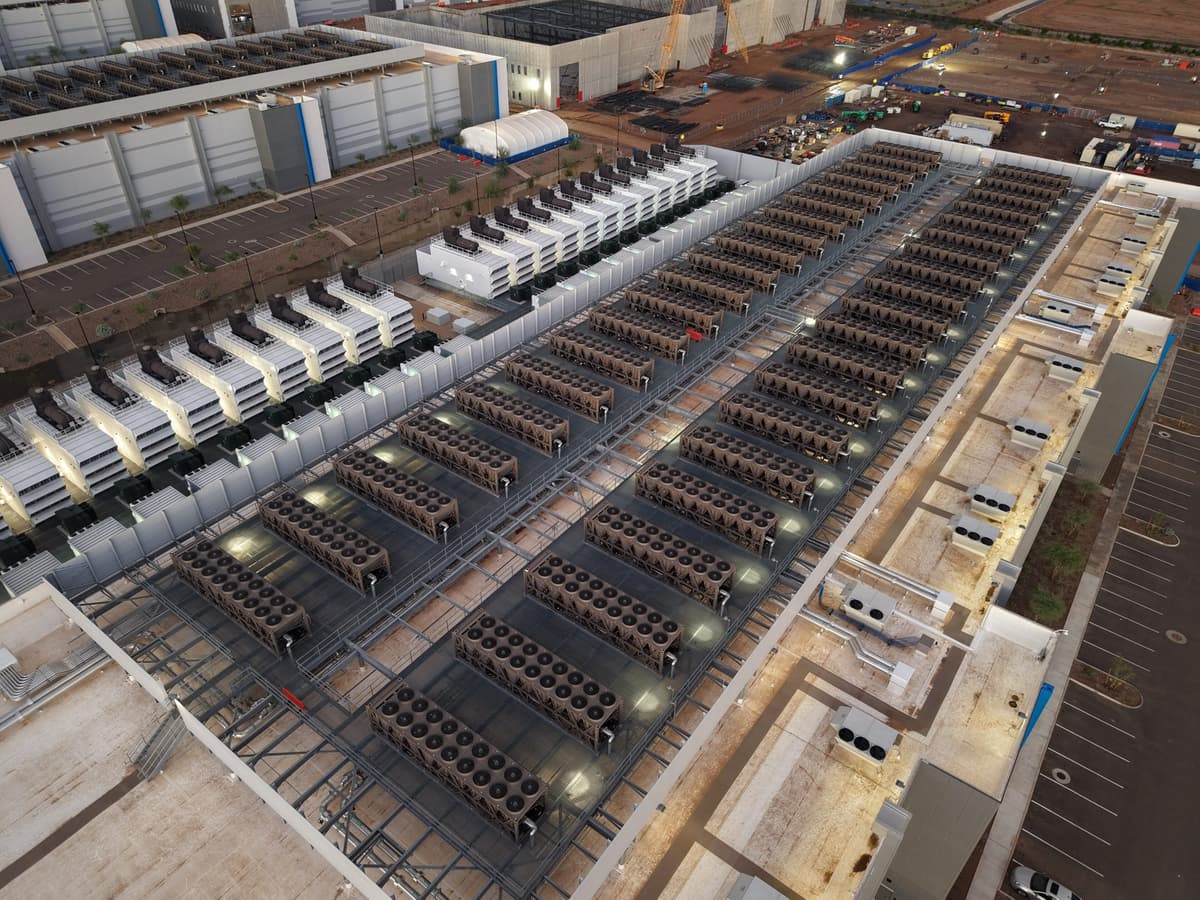
The United Nations Economic Commission for Europe has issued a warning that artificial intelligence data centers are expanding at a pace the world's electricity infrastructure cannot match, creating a widening gap between computing demand and power supply capacity.
The timing mismatch is stark: new data center facilities can be constructed and connected to the grid within two to five years, while expanding transmission lines and upgrading grid infrastructure requires more than a decade due to complex planning, regulatory approval, and construction timelines.
According to projections from the International Energy Agency, data center and AI energy consumption will nearly double by 2030, reaching approximately three percent of global energy demand. Investment in data centers and supporting infrastructure is expected to grow from roughly $800 billion annually in 2026 to $1.8 trillion per year by 2050. These figures have prompted concerns about the future reliability and resilience of energy systems worldwide.
Why it matters
This infrastructure gap represents more than a technical challenge—it threatens to constrain AI development and deployment at a critical moment while potentially destabilizing electricity systems that serve broader populations. The decade-long timeline for grid expansion means decisions made today will determine whether the energy sector can support AI growth in the 2030s without compromising service reliability or affordability for other users.
Beyond energy: water and environmental impacts
The UN alert comes amid mounting concerns about data centers' broader environmental footprint. Research by Dr. Shaolei Ren indicates that training a single large language model like GPT-3 in Microsoft data centers could consume approximately 700,000 liters of clean freshwater for cooling purposes.
Large facilities can use millions of gallons of drinking water daily to cool servers. Many data centers are located in arid regions, where their water demands threaten local drinking supplies and exacerbate drought conditions. Environmental activist Erin Brockovich has also highlighted that these facilities release nitrogen oxides and fine particulate matter, contributing to air quality degradation.
The Environmental and Energy Study Institute has documented additional quality-of-life impacts, including constant noise from cooling fans and heavy equipment affecting nearby residents.
Proposed solutions
The International Energy Agency has outlined three approaches to align AI growth with energy sector capabilities:
First, proactive management of data center project pipelines and coordinated electricity sector investment can ensure adequate, reliable power without driving up prices for other consumers.
Second, promoting electricity system flexibility can accelerate grid connections while maintaining affordability.
Third, removing barriers to AI adoption within the energy sector itself could enable the technology to enhance energy security and sustainability rather than simply consuming resources.
The UN is urging countries to pursue consistent grid expansion and standardize electricity infrastructure to reduce regulatory uncertainty and close the capacity gap.
These details were first reported by JURIST, the legal news and research service.
This is an original analysis by the Omega editorial team. Source reporting: AI Watch.
Want systems like this working for your business?
Book a Call