Ukraine's AI warfare chief sees unified battlefield OS by 2026
Defense ministry official predicts integration of AI systems into single network will create 'war of operating systems' with Russia within three to five years.
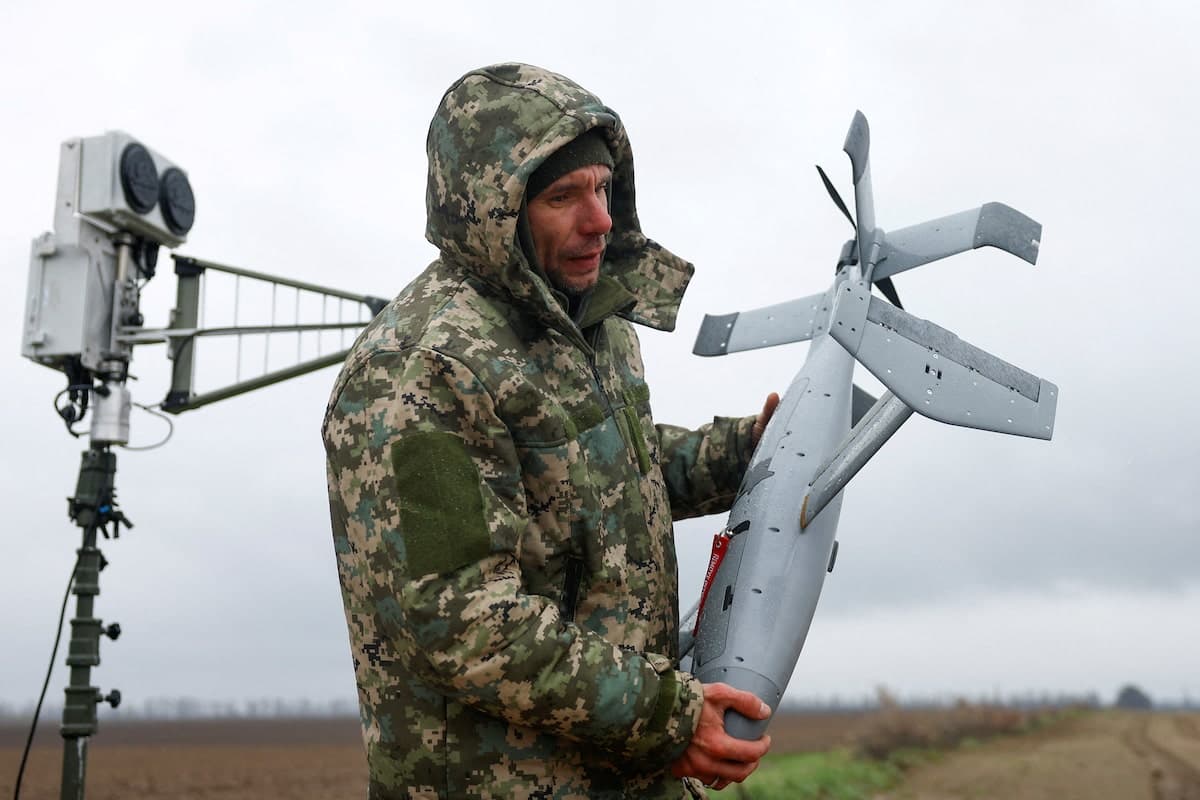
Ukraine is racing toward a fundamental transformation in how wars are fought, with plans to integrate artificial intelligence systems into a unified battlefield operating network within the next three to five years, according to the head of the country's defense ministry AI research center.
Danylo Tsvok, who leads the center established in March 2025, told Reuters that AI will create a "war of operating systems" between Ukraine and Russia if the conflict continues. The side with superior data processing and decision-making capabilities will gain decisive battlefield advantage, he said.
From fragmented tools to unified system
Ukraine currently deploys AI across multiple battlefield functions—guiding drones to targets, planning combat operations, and analyzing Russian missile attack patterns. The country launches thousands of unmanned aerial vehicles daily alongside Russian forces, with drones fundamentally reshaping combat dynamics through constant surveillance and precision strikes.
But these capabilities remain fragmented. Tsvok's vision calls for consolidating weapons and data systems into "one single living organism that can operate in a coordinated manner." This unified operating system would process information from Ukraine's 1,200-kilometer front line and deliver recommendations to human commanders at every level, from individual units to strategic command.
The integration would dramatically accelerate the "kill chain"—the process from identifying targets to executing strikes—which drones have already compressed compared to traditional warfare.
Why it matters
This represents a shift from AI as a tactical tool to AI as the central nervous system of military operations. If successful, Ukraine's approach could establish a template for how modern militaries organize around artificial intelligence, with profound implications for defense procurement, command structures, and the balance between human judgment and machine speed. The timeline Tsvok describes—three to five years—suggests these changes will arrive far faster than traditional military transformation cycles.
The human-machine decision boundary
Ukraine currently maintains human oversight of combat decisions, but Tsvok acknowledged a looming tension: AI systems may eventually process information and generate recommendations faster than humans can evaluate them. "Then the question arises: how do we keep up with making decisions that autonomous systems propose?" he said.
The technological arms race has attracted foreign AI companies seeking combat data to train their models and test systems in real conditions. U.S. company Palantir has provided Ukraine with its platforms, while Kyiv created the Brave1 Dataroom project to share battlefield data with allied nations for software development.
Russia is pursuing parallel AI development. A senior Ukrainian air defense commander expressed concern in April about Moscow's increasing use of artificial intelligence to plan drone and missile strikes on cities, which could significantly reduce attack planning time.
Defense Minister Mykhailo Fedorov founded the AI research center to position data-driven decision-making at the core of Ukraine's defense strategy. With military personnel numbering around one million, Ukraine is also deploying ground robots to address frontline troop shortages.
The details were first reported by Reuters correspondent Max Hunder.
This is an original analysis by the Omega editorial team. Source reporting: AI Watch.
Want systems like this working for your business?
Book a Call
