Ukraine War Data Fuels AI Arms Race Among Nations and Tech Firms
Real-world battlefield information from drones and sensors has become highly sought commodity for training next-generation military AI systems.
Nations compete for battlefield intelligence
Global powers and major technology companies are competing to access real-world combat data from Ukraine's ongoing conflict with Russia, seeking to train artificial intelligence models for future military applications. According to experts, footage from drone strikes and sensor readings from the battlefield represent exceptionally valuable training material for defense AI systems.
Ukraine recently finalized an agreement with the United Kingdom to share extensive data collected from drones, cameras, and sensors deployed since Russia's full-scale invasion began. The arrangement reportedly grants the UK exclusive foreign access to Ukraine's "Avengers AI" model, which Ukrainian forces currently use to identify enemy positions and equipment in real time while reducing response times for coordinated attacks.
Peter Lee at the University of Portsmouth characterized the data as transformative for UK defense capabilities. "This is the gold dust that allows the UK to enter the autonomous age of drones," Lee stated, adding that the information's value exceeds all previous UK aid to Ukraine combined.
Why it matters
Access to authentic battlefield data provides a decisive advantage in developing military AI systems that actually work under combat conditions. Unlike simulated training data generated in laboratories, real-world combat footage allows companies and governments to build battle-tested products—a compelling selling point when pitching defense contracts. This data scramble signals how AI development is reshaping military strategy and international alliances, with Ukraine leveraging its unique position to strengthen partnerships beyond its traditional supporters.
Commercial and strategic implications
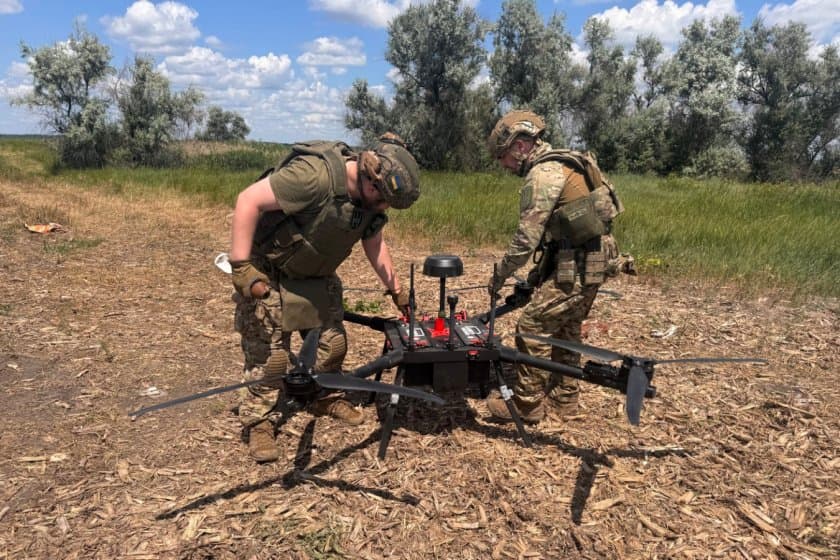
Ukraine operates thousands of drones daily, both in combat zones and deep inside Russian territory, generating massive amounts of sensor data. A government department called Brave1 analyzes this information using AI to identify strategic opportunities and weaknesses, then distributes findings to frontline troops and defense contractors.
Military AI models trained on this data can autonomously guide drones to targets, monitor thousands of video feeds simultaneously for enemy movements, analyze attack footage to identify equipment vulnerabilities, and even assist with strike planning and target selection.
Several major technology firms have established data-sharing arrangements with Ukraine. Palantir secured an agreement months before the UK deal was announced. Clearview AI's facial recognition technology has helped identify Russian operatives within Ukraine, while Scale AI has used satellite imagery to track troop movements and assess infrastructure damage.
Joe Burton at Lancaster University suggested Ukraine's willingness to broaden data partnerships may reflect concerns about volatile US support under the Trump administration. "If you're in [Kyiv], it makes sense to have a broader set of partnerships around AI data," Burton noted.
Lee believes China has likely secured similar access to Russian battlefield data from the opposite side of the conflict, possibly with an earlier start. "China understands that data is king when it comes to AI," he explained, calling it a potential "strategic oversight of grotesque proportions" if China hadn't pursued such arrangements.
Despite the proliferation of advanced AI systems and high-tech weaponry, Burton emphasized that ground combat in Ukraine remains fundamentally attritional and violent. "This idea that you can deploy a load of robots to the battlefield and you don't need to send soldiers into harm's way, it's not [happening] in Ukraine," he said.
These details were first reported by New Scientist.
This is an original analysis by the Omega editorial team. Source reporting: AI Watch.
Want systems like this working for your business?
Book a Call