UK Mobile Networks Unprepared for AI Traffic Surge, Executives Warn
Planning delays and slow 5G upgrades threaten Britain's ability to handle the coming wave of AI-powered devices and services.
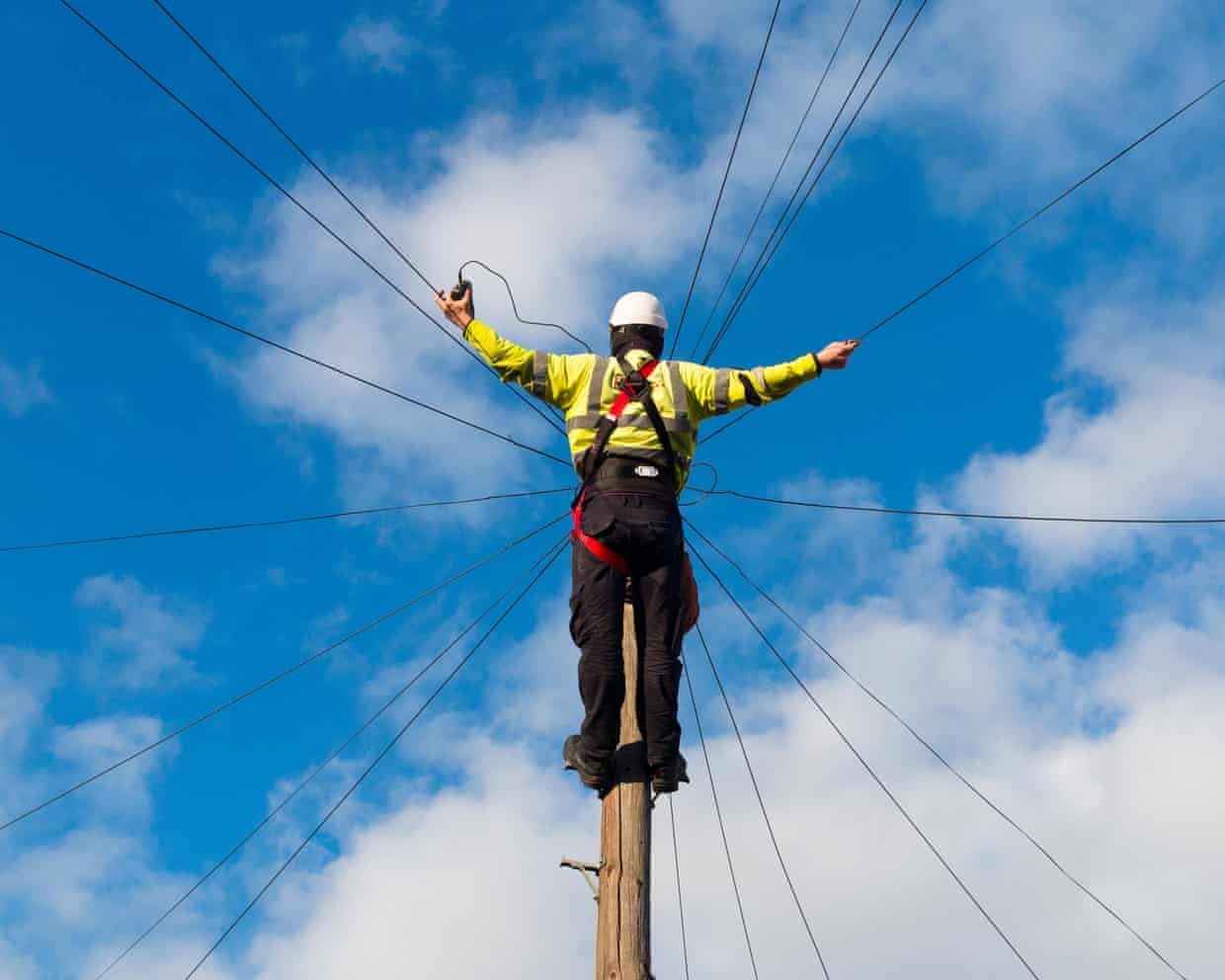
UK faces AI connectivity crisis
The United Kingdom risks falling behind in artificial intelligence adoption not because of datacenter capacity or computing power, but due to inadequate mobile network infrastructure that won't be able to handle the surge in AI-generated traffic, according to senior telecommunications executives.
While much attention has focused on building datacenters and securing energy supplies for AI systems, a critical bottleneck is emerging: the mobile networks that will carry AI traffic from millions of consumer devices and business applications to those datacenters and back.
The UK currently ranks 57th globally for mobile network performance and 70th for download speeds, trailing all 27 EU member states and every G7 nation, according to consumer group Which? citing Opensignal data.
Why it matters
As AI capabilities become embedded in smartphones, wearables, and enterprise applications over the next two to three years, network demands will multiply exponentially. Poor mobile infrastructure could throttle AI adoption, limiting both consumer experiences and business productivity—turning what is now a quality-of-service issue into a competitive disadvantage for the entire economy.
Planning delays block upgrades
Andrea Donà, networks director at VodafoneThree, the UK's largest mobile operator, said the company is investing £11 billion to upgrade its infrastructure but faces significant regulatory obstacles. Despite 96% of necessary upgrades targeting existing sites rather than new construction, more than half still require planning permission—a process executives describe as lengthy and bureaucratic.
"I am embarrassed today at the level of quality of our network[s]," Donà told The Guardian. "The UK is worthy of what EE, O2 and VodafoneThree can offer, but we need reform."
Donà compared the coming AI traffic load to the network congestion consumers currently experience at major events like concerts at Wembley or sporting events at Silverstone. "That [one-off] experience will be constant because of the additional capacity [consumers] will need in an AI world," he said.
Critical infrastructure without critical support
Another senior telecoms executive, speaking anonymously, warned that connectivity will become "a national competitiveness issue" similar to the UK's previous struggles with slow broadband rollout. "AI companies, and governments, don't think about networks, but they will when they hold them back," the executive said.
Industry leaders argue that despite mobile networks being designated critical national infrastructure—alongside datacenters, energy, and water systems—they don't receive equivalent government support through business rate relief or energy subsidies.
Donà specifically called for planning reform as a zero-cost growth policy that could deliver quick wins for the new government. "Planning reform is the lowest possible cost growth policy—it doesn't require any government money," he said.
These details were first reported by The Guardian.
This is an original analysis by the Omega editorial team. Source reporting: AI Watch.
Want systems like this working for your business?
Book a Call
