UK Laws Fail to Protect Against AI Voice and Face Cloning
Legal experts warn current legislation leaves citizens vulnerable as realistic digital replicas can be created from brief audio or video clips.
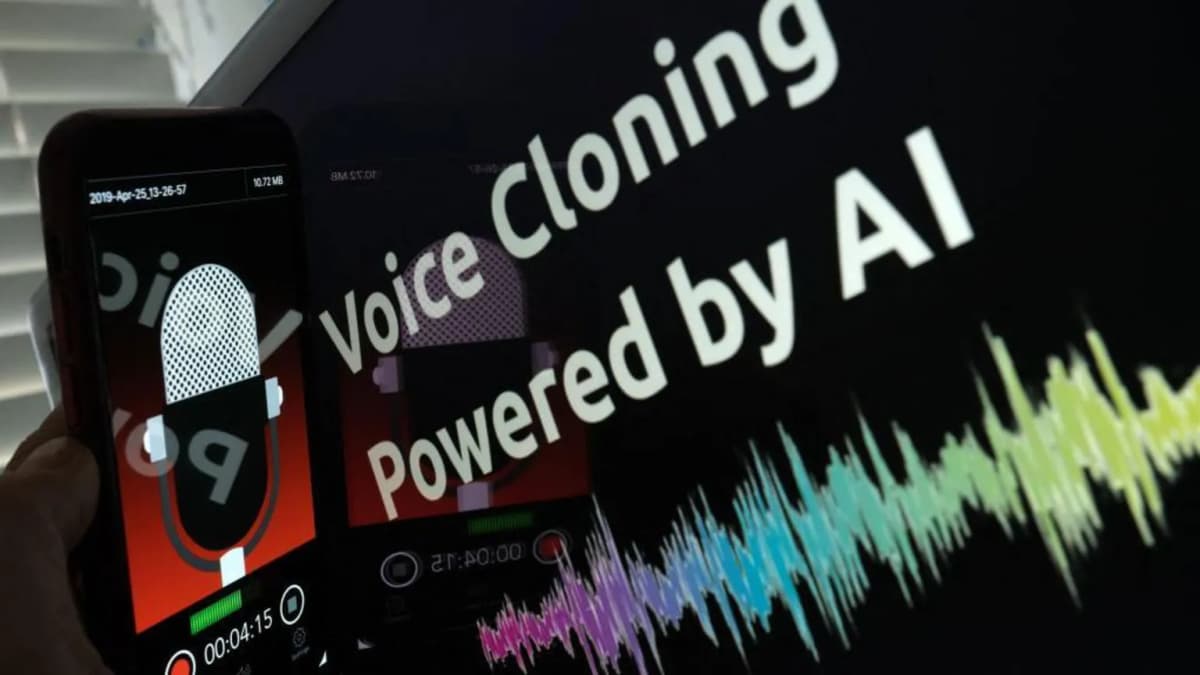
Legal gaps leave UK citizens exposed to AI cloning
British citizens face growing risks from unauthorized AI cloning of their voices and faces, with current laws inadequate to prevent misuse, according to legal experts and industry representatives.
Media lawyer Dr. Mathilde Pavis described UK legislation as "unfit for purpose" because it predates the technology now capable of creating realistic digital copies from short audio or video clips. The country relies on a patchwork of copyright, data protection, and trademark laws that were never designed to address AI cloning specifically.
"The law comes close, but it doesn't fully protect your voice, your face or your identity," Pavis said, noting that existing statutes protect recordings and films rather than a person's physical likeness itself.
Real-world impact on creative professionals
Bristol voice-over artist Faye Dicker discovered her voice had been cloned and downloaded more than 900 times on US-based AI platform Fish Audio without her knowledge or consent. The company subsequently removed the content, stating it takes "the protection of recognisable public voices seriously."
For Dicker, the incident compounds existing economic pressures. "This was so upsetting because the industry is in decline, my income is in decline, and for something like this to happen makes a massive impact," she said.
Trade union Equity reports AI cloning has become a major issue, with representative Shannon Sailing handling claims from more than 20 members whose voices were allegedly used without permission. "It's one of the main things I deal with now," Sailing said.
European models offer stronger protections
Several European countries provide more robust safeguards. France has recognized image rights as part of personal identity protection since 1858, with modern law extending to specific features including name, image, voice, and privacy. Italy, the Netherlands, and Denmark also maintain what Pavis characterized as "effective laws" protecting personality rights.
The UK's General Data Protection Regulation (GDPR) offers limited recourse because it wasn't written with voice or digital cloning in mind, though lawyers are attempting to apply it to these cases.
Government response and industry criticism
Baroness Beeban Kidron, a crossbench member of the House of Lords and prominent digital regulation campaigner, criticized the government's approach as insufficient. She accused officials of "protecting big tech [companies] over UK citizens" and noted that American artists receive substantially larger compensation for their likeness rights than UK counterparts.
The government acknowledged that digital replicas "can be a powerful tool" but recognized potential harms when someone's likeness is replicated without permission. Officials said they will launch a consultation "to seek views on how we address these harms, while protecting legitimate innovation."
Why it matters
The legal vacuum around AI cloning creates immediate business risks for creative professionals whose livelihoods depend on their unique voices and appearances. Without clear personality rights protections, UK citizens and businesses have limited recourse when their digital identities are appropriated, potentially enabling fraud, reputational damage, and unfair competition. The gap also places UK creative workers at a competitive disadvantage compared to their European counterparts who enjoy stronger legal protections.
These details were first reported by BBC News.
This is an original analysis by the Omega editorial team. Source reporting: AI Watch.
Want systems like this working for your business?
Book a Call