UK Lawmaker Sues xAI Over Non-Consensual AI-Generated Images
Labour MP Jess Asato takes legal action against Elon Musk's company after its Grok chatbot allegedly created sexualized imagery without consent.
UK Politician Takes Legal Action Against AI Image Manipulation
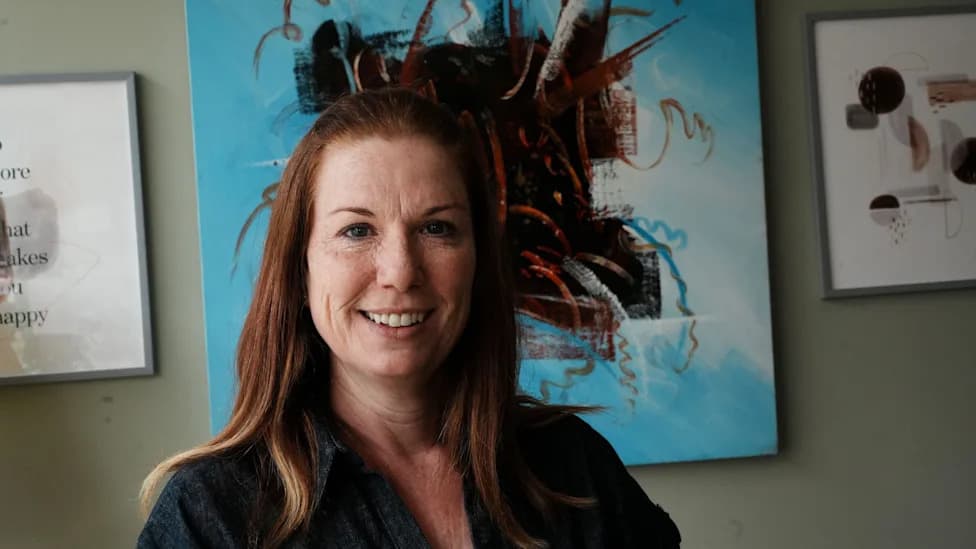
Jess Asato, Labour MP for Lowestoft in Suffolk, has filed a lawsuit through the High Court against xAI, Elon Musk's artificial intelligence company. The legal action stems from allegations that the company's Grok chatbot was used to generate sexualized images of her without consent, including a fabricated photo depicting her in a bikini, according to reporting first published by the BBC.
The lawsuit, filed Wednesday, seeks both financial damages and a broader legal precedent holding AI companies liable for the design of systems that enable such misuse. xAI has not responded to multiple requests for comment from the BBC.
Women Describe Climate of Fear
Constituents in Asato's district expressed shock and concern about the implications of AI-powered image manipulation tools. Several women told the BBC they now actively limit their social media presence out of fear their images could be weaponized.
Amanda Steel, who operates a local cafe, said the proliferation of "nudification" tools has made her reluctant to promote herself online. "You're watching what can be done to other women and you don't want to put anything out there that could be used," she explained.
Tracey McFee described the situation as "really scary" and said she worries about protecting her daughters and granddaughters. While acknowledging AI's potential as an educational tool, she noted "there is also a very, very dark side."
Erica Thompson, a beautician who uses AI professionally to show clients potential treatment outcomes, emphasized the consent violation at the heart of the issue. "Her power's been taken away," Thompson said of Asato. "That's a violation of your identity which just destroys your confidence."
Why it matters
This case could establish critical legal precedent for holding AI companies accountable for systems that enable non-consensual image manipulation. As generative AI tools become more accessible and sophisticated, the question of platform liability versus user responsibility remains largely unresolved in most jurisdictions. The lawsuit arrives as lawmakers worldwide grapple with regulating AI capabilities that outpace existing legal frameworks designed for earlier technologies.
Broader Pattern Emerges
Since announcing her legal action, Asato reported receiving substantial support along with accounts from other women who have experienced similar violations. "How is it that tech companies can create products that can create this disgusting material?" she asked.
The lawsuit filing coincided with the conviction of Anwar Mohamed, 59, of Lowestoft, who was found guilty of sending indecent communications to the politician. He faces sentencing in July.
Photographer Tanya Mayfield, who specializes in empowerment photography, expressed concern that images she shares with client consent could be manipulated by third parties. "It's really scary because I'm putting ladies out there who have given me their consent, but now maybe people can take those images and tweak them," she said.
These details were first reported by the BBC.
This is an original analysis by the Omega editorial team. Source reporting: AI Watch.
Want systems like this working for your business?
Book a Call
